A vessel can lose a day at anchor, and a carefully planned delivery can quickly slip off schedule. Delays may come from port congestion, severe weather, rerouted services, or missed connections. UN Trade and Development’s Review of Maritime Transport 2024 reported that maritime trade grew by 2.4% in 2023, while warning that disruption and uncertainty continued to affect shipping routes and costs. Those pressures make clear communication and contingency planning practical necessities, not optional extras.
How to handle delays in ocean shipping begins with visibility. Track milestones, confirm the latest estimated arrival time with your carrier, and check whether a delay affects transshipment or inland transport. Lars Jensen, a maritime analyst and CEO of Vespucci Maritime, is a useful expert voice on container shipping. I cannot verify a direct quotation from him on this exact topic, so I won’t present invented words as his. A practical principle consistent with his field of analysis is: “Treat every schedule update as a decision point, not just a new date.”
That principle can be tested against real details: a revised port call, a customs document still awaiting confirmation, or a truck appointment that may need to move. Keep records of carrier updates, notify affected partners early, and compare realistic alternatives before paying for a faster service. No plan removes every delay. These seven tips offer a steadier way to respond, while recognizing that even experienced teams can miss a warning sign.
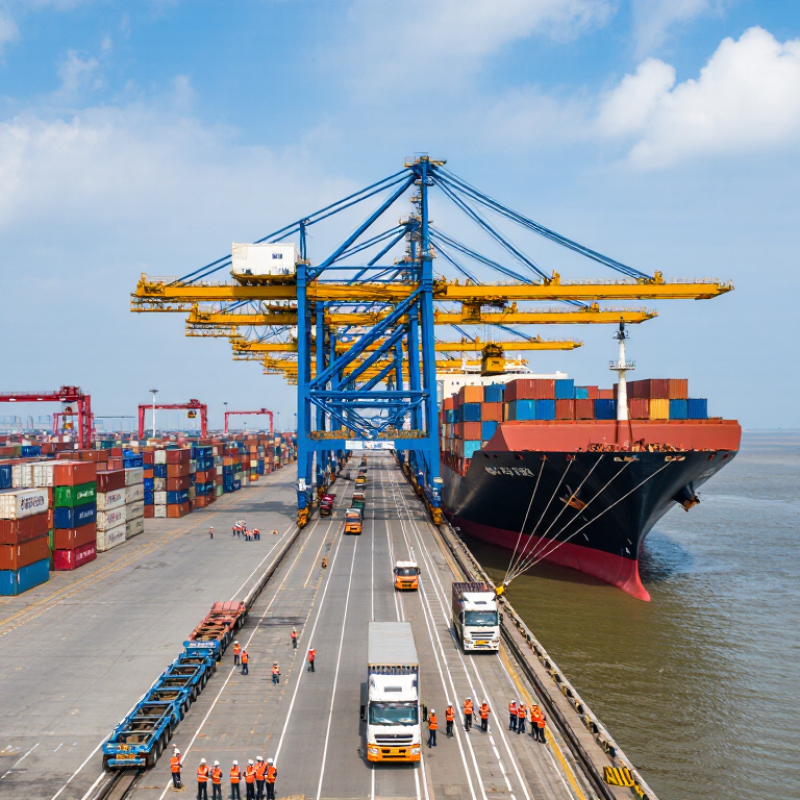
A delay is not a diagnosis. Start with the last confirmed milestone: vessel departure, port arrival, or transshipment. Compare it with the booking schedule and request a timestamped update. Check vessel tracking and port notices, too. A missed connection can look like a late sailing, while a document hold may leave the vessel on time. Small distinctions matter.
Sea-Intelligence’s February 2024 Global Liner Performance report put global schedule reliability at 54.9%. For vessels arriving late, the average delay was about five days. That figure is a benchmark, not a promise for your shipment. Record the original ETA, revised ETA, and each change. Ask whether the cause is congestion, weather, a missed connection, or a schedule adjustment. Get the next expected milestone in writing. Keep it specific.
Then measure the scope. List affected containers, destinations, delivery appointments, and inventory days remaining. One delayed box may be manageable; several boxes feeding the same production line may not be. I can be too quick to blame port congestion. Check the facts before escalating. Compare updates across the booking, vessel tracking, and terminal records, and note any gaps. A little uncertainty remains. Share verified impacts with operations and customers, and revise plans only when the evidence supports it.
Tip: Check the shipment status against the carrier’s latest tracking event, not an old booking screen. Note the vessel name, voyage number, port call, and update time. If the container shows “rolled” or the vessel has skipped a port, ask the forwarder to confirm its next sailing. Small detail, big difference.
Sea-Intelligence’s May 2024 Global Liner Performance report put global schedule reliability at 55.8%; late vessels averaged 5.04 days behind schedule. These figures describe network performance, not your specific container, but they show why an original ETA can mislead. Tip: Request a revised ETA in writing, along with the reason, next confirmed milestone, and time zone. Ask whether the date means vessel arrival or cargo availability after discharge. They are not the same.
Share a date range with receiving teams, then update it after each port or transshipment scan. Save screenshots and message timestamps to resolve conflicting updates. If tracking remains unchanged for several days, ask for the next checkpoint and an escalation contact. Estimates still move. I would avoid booking labor around one unconfirmed date; that caution may feel excessive, but missed handoffs cost time.
When an ocean shipment is delayed, contact the carrier as soon as you have a credible warning. Ask what changed, where the cargo is, and when the next update is expected. Record the vessel or container reference, the revised estimated arrival, and the time the information was confirmed. Keep facts separate from estimates. A confident guess can cause more trouble than an honest “not confirmed yet.”
Tell suppliers which materials may arrive late and what your team needs to keep work moving. Ask whether they can adjust production or ship available items separately, and confirm any extra costs before making changes. Keep the request specific: name the affected order, quantity, and date needed. Small details matter. A vague message can create another round of emails.
Update customers promptly, even when there is no firm arrival date. Explain the known delay, what remains uncertain, and when you will check again. Offer realistic options, such as a partial delivery or a revised schedule, without promising what the carrier has not confirmed. Use one shared update log so sales, purchasing, and operations do not send conflicting dates. It may feel repetitive, but silence often invites worse assumptions.
UNCTAD’s Review of Maritime Transport 2024 reports that shipping carries over 80% of world trade by volume. That scale makes a single late vessel a real inventory risk. Set buffer stock by product, not by habit: protect fast-selling essentials, while keeping slow-moving goods lean. Sea-Intelligence’s June 2024 Global Liner Performance report recorded schedule reliability of 54.4% that month. Delays happen. Use that uncertainty to review reorder points and add transit-time buffers for vulnerable routes. A few extra days can help; excessive stock can tie up cash and warehouse space.
Keep practical alternatives ready before a shipment slips. Ask suppliers whether orders can be split, then prioritize the portion needed to prevent a production stoppage or empty shelf. Check other ports and sailing dates, but compare inland trucking, customs handling, and transfer time—not just the ocean rate. For urgent, high-value goods, air freight may be an option; reserve it for cases where the cost of waiting is greater. Keep options open. Share updated arrival estimates with purchasing and warehouse teams, and revise replenishment plans when a carrier changes its schedule. These plans still need judgment: demand forecasts miss, and a backup route can create new delays. Regularly test the plan against actual lead times and stock levels.
When a vessel misses its estimated arrival, record the facts before memories blur. UNCTAD’s February 2024 report, Navigating Troubled Waters, found weekly Suez Canal transits had fallen 42% from peak levels. Container-ship transits were down 67%. Disruptions can shift quickly, so a dated record helps separate confirmed events from assumptions.
Tip: Keep one delay log per shipment. Note the original and revised arrival dates, vessel and voyage details, carrier notices, port updates, and the time each message arrived. Save screenshots and emails with timestamps. Record the practical impact too: a missed warehouse slot, extra storage days, or a production line waiting for one pallet. Be factual. “No update received by 14:00” is more useful than “carrier was unhelpful.”
Tip: Review the log after delivery, while the sequence is still clear. Compare planned and actual milestones, then mark where communication or contingency planning failed. If several shipments show late schedule changes, consider earlier customer alerts or more buffer time for critical cargo. Track recurring causes by route, port, and shipping stage; a single late sailing may be an exception. Not every delay has a fix. Still, documenting what happened—and what your team did—can make the next response faster and more consistent.
| No. | Tip | Recommended Procedure | What to Document | Follow-Up and Review |
|---|---|---|---|---|
| 1 | Confirm the delay promptly | Check the latest carrier, terminal, or port notice. Confirm the affected shipment and request an updated estimated time of arrival (ETA). | Shipment reference, vessel and voyage, original ETA, revised ETA, time the delay was confirmed, and the source of the update. | Record subsequent ETA changes with timestamps so the timeline can be reviewed. |
| 2 | Identify the cause | Classify the reported cause, such as adverse weather, port congestion, schedule change, missed connection, equipment shortage, or customs hold. Verify details with the relevant source. | Reported cause, affected port or route segment, notice or message, date received, and whether the cause is confirmed or still under investigation. | Separate confirmed facts from estimates; update the record when better information becomes available. |
| 3 | Build a clear event timeline | Track key milestones from cargo readiness through departure, transshipment, arrival, discharge, and delivery. Compare planned and actual dates. | Milestone name, planned date, actual date, delay duration, update source, and any missing or disputed milestone. | Use one consistent time zone and date format; preserve earlier estimates rather than overwriting them. |
| 4 | Keep supporting records | Save shipment-related notices and correspondence in a shared, access-controlled folder. Keep records organized by shipment reference. | Booking confirmation, bill of lading details, shipping instructions, carrier or terminal notices, customs status, and relevant email or message records. | Follow applicable record-retention rules and internal access policies; avoid storing unnecessary personal information. |
| 5 | Notify affected parties with facts | Send a concise update to relevant customers, suppliers, and internal teams. State what is known, what remains uncertain, and when the next update is expected. | Recipients, notification time, confirmed delay details, revised ETA and its source, expected next update, and any agreed action. | Use a consistent update cadence and correct earlier messages when material details change. |
| 6 | Assess costs and alternatives | Check whether the delay may affect cargo availability, delivery appointments, storage, or production plans. Compare feasible options before changing the routing or transport mode. | Potential charges, deadlines, alternative route or service, decision owner, approval, and the basis for the decision. | Verify costs, transit estimates, capacity, and contractual terms with the relevant service providers before committing. |
| 7 | Review the case and improve procedures | After delivery, compare planned and actual milestones, identify communication or process gaps, and assign corrective actions. | Total delay days, cause category, milestone variances, documented costs where available, lessons learned, action owner, and target completion date. | Review recurring causes periodically and update checklists, escalation contacts, and shipment-planning assumptions as needed. |
Note: Record verified shipment-specific facts and distinguish confirmed information from estimates. Delay causes, costs, and applicable contractual or regulatory requirements vary by shipment and route.
Ask what changed, where the cargo is, and when the next update is expected. Record the container reference, revised arrival estimate, and confirmation time. Keep confirmed facts separate from guesses.
Identify the affected order, quantity, and date needed. Ask whether production can be adjusted or available items shipped separately. Confirm extra costs before approving changes. Small details matter.
Explain the known delay, what remains uncertain, and when you will check again. Offer realistic options, such as partial delivery or a revised schedule. Avoid promises the carrier has not confirmed.
Use one shared update log for sales, purchasing, and operations. Record each estimate and when it was received. It may feel repetitive, but silence can encourage worse assumptions.
Set buffers by product. Protect fast-selling essentials, while keeping slow-moving goods lean. Add transit-time allowance for vulnerable routes, but avoid tying up too much cash and warehouse space.
Ask about split orders and prioritize goods needed to prevent a stoppage or empty shelf. Compare other ports and sailing dates, including inland transport and transfer time. A backup route can create new delays.
Consider it for urgent, high-value goods when the cost of waiting is greater than the added freight cost. It is not a simple fix; check the full expense first.
Compare the plan with actual lead times and stock levels regularly. Demand forecasts can miss, and estimates can change. Still, review does not guarantee a smooth outcome.
How to handle delays in ocean shipping begins with understanding what caused the disruption and how much of the shipment is affected. Check tracking information and contact the carrier or logistics provider to confirm the current status and request a realistic revised delivery estimate. Compare that estimate with your schedules so you can identify urgent orders and decide which customers or operations may need attention first.
Communicate promptly with suppliers, customers, and other affected partners, sharing confirmed information and providing updates when circumstances change. Review inventory levels and expected demand, then consider practical options such as reallocating available stock, adjusting order priorities, or arranging another suitable shipment. Keep clear records of delay notices, conversations, revised estimates, and decisions. After delivery, review what worked and where communication or planning could improve, then update procedures to help manage future disruptions more effectively.

NoviLink Logistics