Choosing the right shipping route is crucial for businesses involved in global trade. According to a 2023 report by the International Maritime Organization, about 90% of world trade is carried by the shipping industry. This underscores the importance of efficiency and cost-effectiveness in logistics. Knowing how to choose the right shipping route can significantly reduce transportation costs and delivery times.
An effective shipping route minimizes risks, such as delays due to weather or geopolitical tensions. Research from the Global Trade Analysis Project indicates a 15% increase in shipping costs when routes are not optimized. Businesses must consider factors like transit times, port efficiencies, and cargo types. It is easy to overlook these aspects when planning.
Many still rely on traditional logistics models. This can lead to missed opportunities for savings. Inadequate route selection may result in extended lead times. Understanding how to choose the right shipping route involves constant evaluation and adaptation. Embracing technology, such as route optimization software, can aid in refining shipping decisions. The stakes are high, and the right choices can transform logistics from a burden into a competitive advantage.
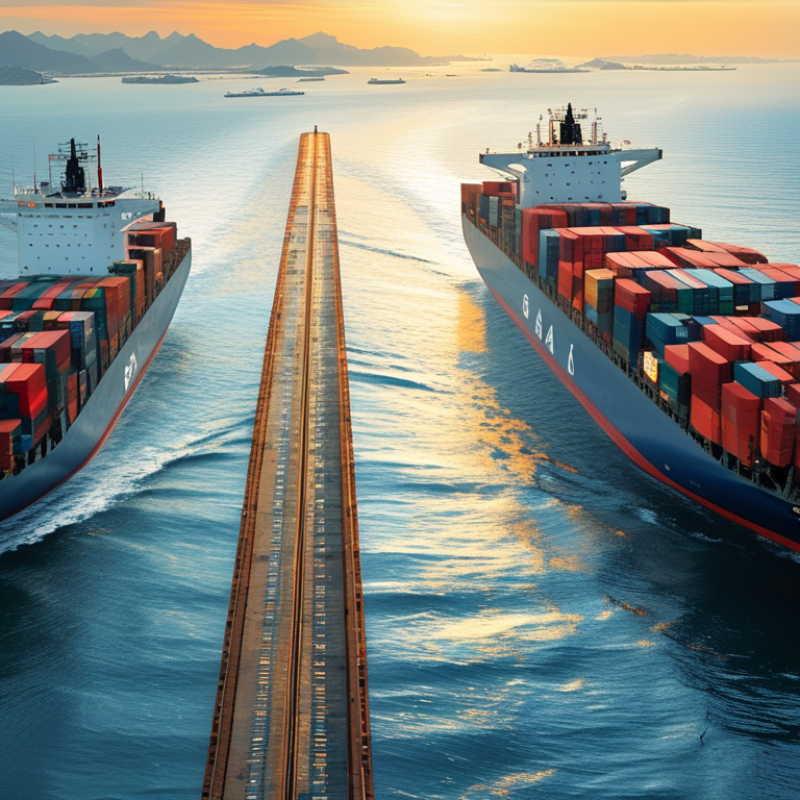
Selecting the right shipping route is crucial for efficiency. Costs and time are primary factors. Choose routes that minimize delays and expenses. For instance, direct paths often save time. However, they may not always be the cheapest option. Sometimes, longer routes with fewer obstacles might be more economical.
Weather conditions greatly impact shipping routes. Storms and rough seas can lead to unexpected delays. It’s wise to analyze weather patterns ahead of time. This approach allows for better planning and risk management. Think about alternate routes if severe weather is forecasted. Flexibility in planning can prevent costly disruptions.
Furthermore, the type of cargo you transport plays a vital role. Sensitive goods may need special considerations. Routes that offer safer conditions could be necessary. Customizing your approach based on specific needs is essential. Remember, every shipping decision has implications. Reflecting on past experiences can lead to more informed choices in the future.
Choosing a shipping route requires careful consideration of costs and transit times. According to a recent industry report, shipping costs can account for up to 30% of total logistics expenses. Evaluating these costs effectively saves money. It's vital to analyze different routes and their associated fees. The chosen route can significantly impact the bottom line.
Transit times vary based on shipping methods. For example, ocean freight may take weeks, while air freight offers quicker deliveries. However, air freight often comes at a premium. A logistics study highlighted that businesses lost approximately $1.2 million in revenue due to delayed shipments last year. Understanding the trade-offs is crucial for making informed decisions.
Tip: Consider using freight calculators available online. They help estimate costs based on weight and destination. Evaluating multiple shipping options can enhance decision-making. Another effective approach is to analyze historical data. Studying past transit times aids in setting realistic expectations. Ultimately, a thorough evaluation of both shipping costs and transit times leads to optimized logistics strategies.
| Route | Shipping Cost (USD) | Transit Time (Days) | Service Level |
|---|---|---|---|
| Route A: New York to Los Angeles | $1200 | 5 | Standard |
| Route B: Miami to Houston | $800 | 3 | Express |
| Route C: Chicago to San Francisco | $1500 | 7 | Standard |
| Route D: Seattle to Denver | $950 | 4 | Express |
Choosing the right shipping route involves understanding both the origin and destination points. Each location brings unique challenges. For instance, urban areas often have congestion. Rural locations might lack access to major shipping lanes. Evaluating these factors can save time and reduce costs.
Consider customs procedures at the destination. Some regions have strict regulations, which can delay shipments. Awareness of those rules helps in planning. Analyze the overall distance as well. Long haul routes might consume more fuel, increasing expenses. Shorter routes are often more efficient, but may face other obstacles.
It's vital to reflect on the seasonal variations. Weather conditions can impact transport times. Routes that are reliable in summer may become problematic in winter. Monitoring these patterns fosters better decision-making. In the end, understanding how destination and origin interplay is key to optimizing logistics.
When planning shipping routes, environmental considerations should be at the forefront. Each route taken can significantly impact ecosystems. Choosing paths that minimize fuel consumption not only reduces costs but also lowers carbon emissions. Routes that avoid sensitive marine areas help protect wildlife and preserve biodiversity.
Tips for selecting the right route include analyzing weather trends to avoid severe conditions. Assessing the environmental impact of each route is crucial. Utilizing advanced navigation technology can help identify the best paths. However, it’s essential to remain cautious of potential oversights, like ignoring local regulations or environmental advisories.
Also, consider the potential for route changes due to emerging environmental data. What seems efficient today might not align with future regulations on emissions. Adapting to these changes enhances sustainability efforts. In addition, striking a balance between economic efficiency and ecological responsibility is not always straightforward. It requires continuous reflection and adaptation to new information.
Choosing the right shipping route is crucial for efficiency and cost-effectiveness. Technology plays a pivotal role in optimizing these routes.
Geographic Information Systems (GIS) help map the best paths. They analyze terrain, distances, and potential hazards. Real-time tracking tools can also enhance decision-making.
These systems allow shippers to adjust routes based on current conditions.
Artificial Intelligence (AI) is increasingly vital in route planning. It can predict delays caused by weather or traffic. Optimizing routes using AI can save companies time and money.
However, relying solely on technology isn’t without its pitfalls. Over-dependence may lead to overlooking human insights.
Still, when human expertise combines with technology, the results can be exceptional.
Data analytics tools provide deep insights into past shipping performances. They help companies understand which routes are most effective.
Insights like fuel consumption and delivery times are invaluable. However, the challenge often lies in interpreting the data correctly.
A misinterpretation could lead to costlier mistakes. Companies must regularly refine their strategies to keep up with changing conditions.
: Analyze different routes and their fees. Consider potential savings.
Shipping methods significantly affect transit. Ocean freight is slower than air freight.
Environmental factors can minimize fuel use and reduce carbon emissions.
Yes, online freight calculators help estimate costs based on weight and destination.
Delays can result in significant revenue losses. For instance, one study noted $1.2 million in losses.
Watch for local regulations and environmental advisories to avoid fines.
Analyzing past transit times sets realistic expectations for future shipments.
Protecting sensitive ecosystems is crucial when planning routes.
Balancing cost and ecological impacts is important for long-term success.
Stay informed on environmental data and adjust routes as needed.
Choosing the right shipping route is crucial for efficient logistics management and cost-effectiveness. Several factors must be considered when determining the optimal route, including shipping costs and transit times, which directly impact overall delivery efficiency. Additionally, the importance of both destination and origin points plays a significant role, as they can influence shipping times and routes available.
Environmental considerations are increasingly vital in route planning, as companies aim to reduce their carbon footprint and enhance sustainability practices. Utilizing technology and tools for route optimization can greatly improve decision-making processes, making it easier to analyze various route options and select the most effective one. By understanding these key elements, businesses can better navigate the complexities of shipping logistics and ensure timely deliveries while maximizing resources.

NoviLink Logistics