 NoviLink Logistics
China Top Fastest Options for International Shipping?
In today's interconnected world, trading across borders has never been more crucial. Businesses need to navigate international shipping effectively. One key question arises: What are the fastest options for international shipping? This guide explores various shipping methods from China, focusing on speed and reliability.
Air freight is often the fastest choice. However, it is not the only option. Sea freight offers cost savings but takes longer. Express courier services, like DHL and FedEx, provide rapid delivery for packages of all sizes. Yet, costs can add up quickly. This complex landscape requires careful decision-making.
Additionally, understanding regional variations is essential. Some routes may experience delays due to customs or logistics issues. Reflecting on these variables can help businesses improve their shipping strategies. Ultimately, choosing the right shipping method involves balancing speed, cost, and reliability.
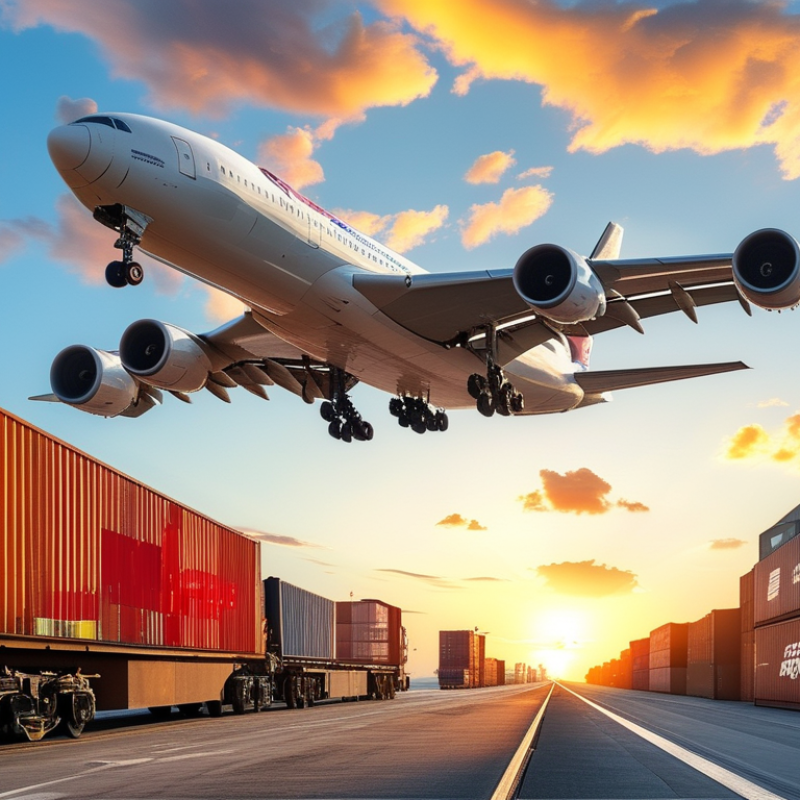
Overview of China's International Shipping Landscape
China's international shipping landscape is vast and complex. In 2022, the country accounted for about 35% of the world's container trade, reinforcing its position as a key player in global logistics. Major ports in Shanghai, Shenzhen, and Ningbo handle millions of TEUs (Twenty-foot Equivalent Units) annually. Shanghai alone processed over 43 million TEUs in the last year, ranking as the world's busiest port.
Despite its strengths, challenges exist. Infrastructure strain is evident as port congestion hampers efficiency. In 2023, reports highlight that average turnaround times in major Chinese ports have increased by 20%. This slowdown affects global supply chains. Companies often face delays, impacting delivery schedules. Regulations and customs processes can be cumbersome, causing further setbacks.
Innovation is crucial. Digitization in logistics is on the rise. Emerging technologies aim to enhance tracking and improve operational efficiency. For instance, blockchain is being explored to streamline documentation. However, the adoption rate remains uneven across the industry. As China continues to grow its international shipping capabilities, addressing these challenges will be key to maintaining its competitive edge.
China Top Fastest Options for International Shipping? - Overview of China's International Shipping Landscape
| Shipping Method | Average Delivery Time | Cost Estimation ($) | Best For |
|---|---|---|---|
| Express Air Freight | 1-3 Days | 200-500 | High-value Goods |
| Standard Air Freight | 3-7 Days | 150-350 | General Cargo |
| Ocean Freight (FCL) | 10-30 Days | 600-1200 | Bulk Shipments |
| Ocean Freight (LCL) | 12-40 Days | 100-300 | Small Shipments |
| Road Freight | 5-15 Days | 250-600 | Regional Deliveries |
FAQS
: China accounted for about 35% of the world's container trade in 2022.
Major ports include Shanghai, Shenzhen, and Ningbo. They process millions of TEUs annually.
In 2023, average turnaround times in major ports increased by 20%, causing delays.
Delays impact delivery schedules and may harm customer satisfaction and business reputation.
Innovation, like digitization and blockchain, aims to enhance logistics efficiency but adoption varies.
Consider transit times, reliability, cost, and customer feedback to choose the right provider.
Hidden fees can unexpectedly elevate shipping costs, so businesses should research before choosing a provider.
Real-time tracking eases anxiety and helps with better planning for deliveries.
Each country has unique import rules, which can lead to unexpected delays.
Understanding shipping times and local requirements is essential for smooth operations.
Conclusion
China has become a vital hub for international shipping, driven by various factors such as infrastructure efficiency, technological advancements, and trade policies. Understanding what are the fastest options for international shipping from China is crucial for businesses seeking timely delivery solutions. Shipping speed is influenced by multiple elements, including logistics partnerships, shipping routes, and customs procedures.
Among the available options, air freight typically offers the quickest delivery times, while express courier services present competitive alternatives for smaller shipments. A comparative analysis of shipping providers reveals significant differences in transit times and costs, making it essential for businesses to weigh their priorities. When selecting shipping options, companies should consider delivery speed, reliability, and cost-effectiveness to optimize their supply chain and meet customer expectations.
