How to Choose Airfreight or Seafreight for Global Sourcing?

Time:2026-07-28 Author:Sienna
0%

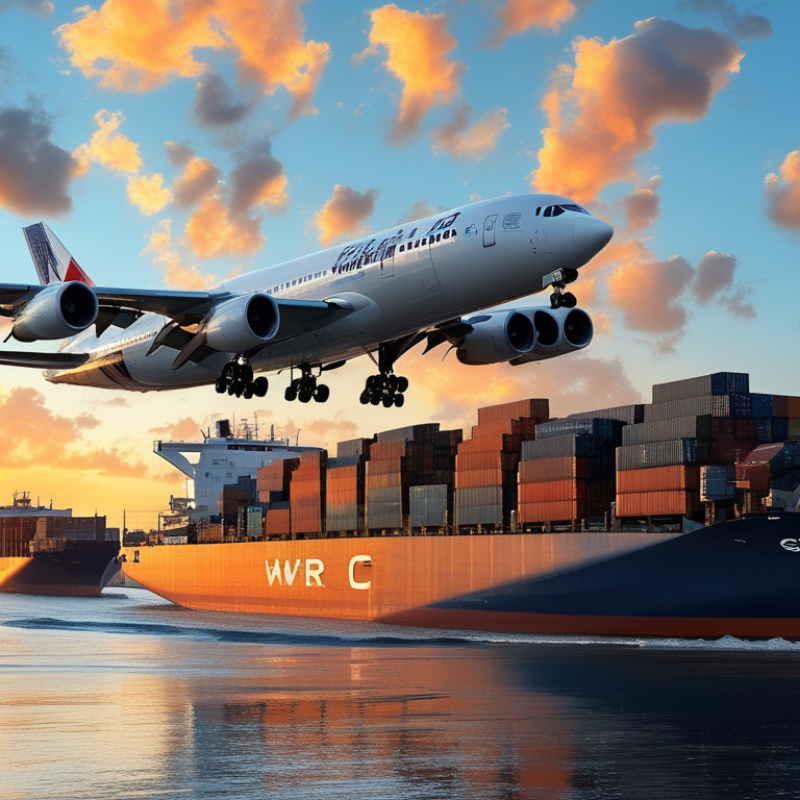
When it comes to global sourcing, businesses often face a critical decision: How to choose between airfreight and seafreight. Each option presents unique advantages and challenges. Airfreight is known for its speed. It is ideal for urgent shipments. However, it tends to be more costly. On the other hand, seafreight is more economical for large volumes. Yet, it can take significantly longer.

Understanding the specific needs of your business is essential. Do you prioritize time or cost? Products with a shorter shelf life may require airfreight. Meanwhile, bulky items or non-perishables often benefit from seafreight. Additionally, seasonal fluctuations can affect prices and availability. Researching carriers and their services helps in making an informed choice.

Reflecting on past experiences can also guide your decision. Mistakes may include choosing airfreight for items that could have shipped by sea. This can lead to unnecessary costs. Balancing efficiency and budget is crucial. Weighing these factors ensures that your supply chain remains robust and reliable. Consider all elements before making a final call.
How to Choose Airfreight or Seafreight for Global Sourcing?

Understanding the Basics of Airfreight and Seafreight

When choosing between airfreight and seafreight for global sourcing, it’s essential to understand their fundamental differences. Airfreight is often faster. Packages can reach their destination in days. This option is ideal for urgent shipments. However, it comes with a higher cost. Companies must weigh time against budget effectively.

Seafreight provides a more economical choice. It is suitable for bulky shipments. Transportation by sea can take weeks. This longer transit time is acceptable for goods that are not time-sensitive. Companies can save significantly on shipping costs. However, there can be delays due to weather or customs.

Both methods have their pros and cons. Airfreight offers speed, while seafreight saves money. Understanding your business's needs is crucial. Not identifying specific requirements could lead to inefficiency. Regularly reviewing these trade-offs ensures optimal decisions in logistics.

Evaluating Cost Factors in Air and Sea Shipping Options

When choosing between airfreight and seafreight for global sourcing, evaluating cost factors is crucial. According to the World Bank, airfreight can be up to 12 times more expensive than seafreight. This significant price difference stems from various factors, including fuel costs, terminal fees, and shipment speed. Airfreight typically charges around $4 to $6 per kilogram. In contrast, seafreight is generally between $0.50 and $2 per kilogram.

Consider shipping time in your decision. Airfreight can deliver goods within one to three days. Seafreight, however, may take one to two months. While airfreight is faster, delays can occur due to weather or customs issues. A report by Freightos noted that many companies still face challenges with air cargo delays, affecting inventory management.

Tips for cost-effective shipping:
- Analyze delivery timelines before deciding. Rapid needs may justify airfreight despite the cost.
- Evaluate insurance options, as airfreight shipments often require higher coverage.
- Assess shipment size and weight. Larger loads may significantly reduce the per-kilogram cost through seafreight.

Both methods have their advantages and disadvantages. A detailed cost-benefit analysis tailored to specific needs often leads to a more informed decision.

Cost Comparison of Airfreight vs. Seafreight for Global Sourcing

Assessing Delivery Speed and Time Constraints for Your Needs

Choosing between airfreight and seafreight is a critical decision for global sourcing. Understanding delivery speed and time constraints helps businesses optimize their logistics. Airfreight typically offers faster transit times, with deliveries often completed in one to three days. In contrast, seafreight can take anywhere from a week to several weeks, affected by distance and port efficiency.

Data from the International Air Transport Association (IATA) reveals that approximately 35% of global trade by value is airfreighted. This highlights the importance of speed in sectors such as electronics or fashion, where delays can impact market competitiveness. Yet, despite its advantages, airfreight carries higher costs, often escalating by 200% compared to seafreight. Importantly, businesses must weigh the financial implications against the urgency of their needs.

Ultimately, time constraints can make or break global sourcing partnerships. Some companies might prioritize lower shipping costs over faster delivery times. This can lead to inventory shortfalls or missed opportunities. Therefore, developing a clear understanding of product requirements and market dynamics is essential. Analyzing both methods against specific delivery timelines allows businesses to make informed and effective logistical choices.

Analyzing the Types of Goods Suitable for Each Freight Method

When considering global sourcing, choosing between airfreight and seafreight hinges on the type of goods being transported. Airfreight is ideal for high-value or perishable items. According to statistics from the International Air Transport Association (IATA), air cargo accounts for 35% of global trade by value but only 1% by weight. This highlights the method's efficiency for goods like electronics or fresh produce. In contrast, seafreight is suited for bulk commodities and heavy goods. It tends to be more cost-effective, particularly for shipments over 500 kg, as per data from the World Bank.

Evaluating the specific needs of your goods is crucial. For example, items like pharmaceuticals must arrive quickly and safely, making airfreight the best choice. On the other hand, furniture and automotive parts are typically large and less time-sensitive, making seafreight more economical. Tips: Always factor in delivery times and seasonal demand. Make sure you understand the shipping timeframes for both options.

The trade-offs between speed and cost must be carefully considered. Airfreight offers quick delivery but at a higher rate. The latest research shows that rates for airfreight can be up to six times higher than seafreight for comparable sizes. Thus, weighing the urgency against budget constraints is vital. Mistakes can be costly; ensure the chosen method aligns with your logistics strategy.

How to Choose Airfreight or Seafreight for Global Sourcing?

Type of Goods Suitable Transport Method Key Factors Transit Time Cost Consideration
Perishable Goods Airfreight Speed, temperature control 1-3 days High
Heavy Machinery Seafreight Weight, size, cost 2-6 weeks Low
Electronics Airfreight Value, risk of obsolescence 3-5 days Medium
Textiles Seafreight Cost effectiveness, bulk 3-5 weeks Low
Pharmaceuticals Airfreight Regulatory requirements, speed 1-4 days High
Furniture Seafreight Size, weight, cost 2-4 weeks Low to Medium

Considering Environmental Impact and Sustainability in Freight Choices

Choosing between airfreight and seafreight requires a thoughtful approach, particularly when considering environmental impact. Airfreight is faster but has a higher carbon footprint. Seafreight is slower but generally more eco-friendly, making it a better choice for sustainability-minded businesses.

Tips for reducing environmental impact: calculate the total emissions for both options. Analyze your shipment size and urgency. If it's possible to consolidate shipments, seafreight could be a more sustainable choice. Evaluate the packaging materials used, as minimalistic, recyclable packaging can lower your overall impact.

Be aware of hidden costs in both methods. Shorter transit times with airfreight may tempt you, but the rapid delivery can contribute more to global warming. It's essential to reflect on these implications. Your freight choice should align not only with budget but also with environmental ethics. The right decision can reflect your commitment to a sustainable future.

FAQS

: What is the main difference between airfreight and seafreight?

: Airfreight is faster, usually taking days. Seafreight is slower, taking weeks, but is more economical.

Why might a company choose airfreight?

A company may choose airfreight for urgent shipments that require quick delivery.

What are some cost factors to consider for airfreight?

Airfreight costs include fuel, terminal fees, and shipping speed, often reaching $4 to $6 per kilogram.

How much does seafreight typically cost?

Seafreight generally ranges from $0.50 to $2 per kilogram, making it cheaper for larger shipments.

What can cause delays in airfreight shipping?

Delays in airfreight can occur due to weather conditions or customs issues.

What should businesses assess before deciding on a shipping method?

Businesses should evaluate their delivery needs, shipment size, and potential costs for better decision-making.

Can shipping costs vary significantly based on shipment weight?

Yes, larger shipments can lower the per-kilogram cost, especially with seafreight.

What risks are associated with airfreight?

Higher shipping costs and the need for greater insurance coverage can be risks in airfreight.

How often should companies review their shipping methods?

Regular reviews of shipping needs are essential to avoid inefficiency in logistics.

What mistake can companies make in their shipping choices?

Not identifying specific requirements may lead to poor shipping decisions, wasting time and money.

Conclusion

When considering how to choose between airfreight and seafreight for global sourcing, it's essential to understand the fundamental differences between these two shipping methods. Airfreight is typically faster and more suitable for time-sensitive goods, while seafreight offers a cost-effective solution for larger shipments and less urgent deliveries. Evaluating cost factors is crucial; airfreight can be significantly more expensive than seafreight, making it important to assess your budget alongside delivery speed and time constraints.

In addition to cost and speed, it's vital to analyze the types of goods being shipped, as certain items may be better suited for one method over the other. Finally, considering the environmental impact and sustainability of your freight choices is becoming increasingly important in today's logistics landscape. By carefully weighing these factors, businesses can make informed decisions that best fit their operational needs and sustainability goals.

Sienna

Sienna

Sienna is a skilled marketing professional with a deep expertise in our company’s core products and services. With a passion for innovation and detail, she plays a pivotal role in crafting insightful blog posts that not only highlight the unique features of our offerings but also provide valuable......