Managing dangerous goods shipments in China demands precision and expertise. John Smith, a recognized industry expert, asserts, “Effective management is crucial for safety and compliance.” His words highlight the importance of strict adherence to regulations and best practices in this field.
When considering how to manage dangerous goods shipments, understanding the unique challenges in China is essential. The diverse landscape, both geographically and regulatory-wise, requires a tailored approach. This complexity often leads to missteps, which can have serious repercussions.
Attention to detail is critical in complying with both national and international regulations. Companies must invest in proper training and resources to navigate this complex environment. A failure to do so can result in fines or worse. Reflecting on past experiences, it becomes clear that prioritizing safety and efficiency is not just an option; it is a necessity.
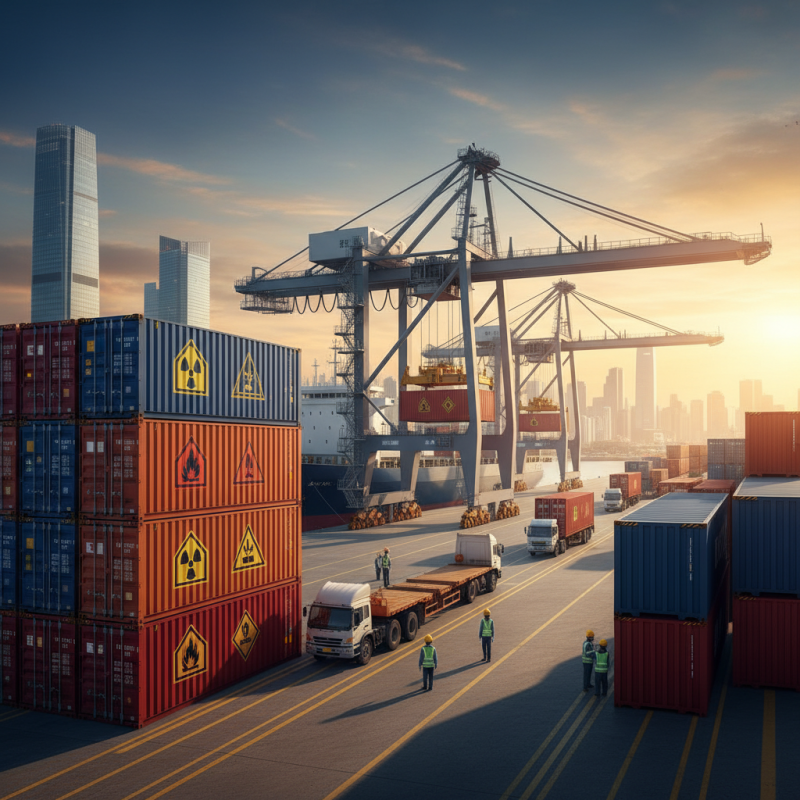
Understanding dangerous goods regulations in China is crucial for companies involved in hazardous materials shipping. China's regulations are aligned with international standards, but local adaptations exist. According to the Ministry of Transport, over 30% of logistics companies faced regulatory compliance issues in 2022. This reflects the challenges many encounter when navigating complex guidelines.
The General Administration of Customs emphasizes that accurate classification and labeling are vital. Failure to comply can lead to severe penalties, including fines and shipment delays. In 2021, 12% of shipments were delayed due to improper documentation. Ensuring that all packaging meets the criteria is not just a legal obligation; it also protects public safety.
Moreover, training personnel is often neglected. Regular training sessions can significantly reduce human errors. A report from the International Air Transport Association shows that 70% of incidents involve staff mistakes. Investing in employee education fosters a culture of safety and awareness. This can be a game-changer for compliance and operational efficiency. Adapting to these realities can improve outcomes and mitigate risks.
When managing dangerous goods shipments in China, identifying and classifying these items is crucial. Each type of dangerous good has specific characteristics that dictate its handling protocols. Accurate classification ensures compliance with regulations and reduces risks during transit. For example, flammable liquids must be kept away from heat sources, while toxic substances require special labeling and isolation.
Understanding the United Nations’ classification system is a significant step. This system categorizes dangerous goods into nine classes based on their hazards. Each class has unique requirements. For instance, Class 3 includes flammable liquids like paint thinners. Proper documentation is essential for each class, including safety data sheets and transport documents.
It is important to invest in training for staff involved in logistics. Knowledge gaps can lead to mistakes that create hazards. Regular audits of processes and training sessions can reinforce learning and improve safety standards. As regulations evolve, staying informed helps enhance compliance. This requires ongoing education and adaptability in the workforce. Regular reviews can highlight areas needing improvement, ensuring a safer shipment process.
| Classification Code | Description | UN Number | Packing Group | Transport Mode |
|---|---|---|---|---|
| 3 | Flammable Liquids | UN 1203 | II | Road, Sea, Air |
| 6.1 | Toxic Substances | UN toxic | I | Road, Sea |
| 8 | Corrosive Substances | UN 1824 | II | Road, Sea, Air |
| 2.3 | Toxic Gases | UN 1001 | I | Road, Sea, Air |
| 4.1 | Flammable Solids | UN 1325 | II | Road, Sea |
When managing dangerous goods shipments in China, packaging and labeling are crucial. Proper packaging prevents accidents and protects the goods. Use sturdy materials that adhere to regulations. For example, use UN-approved containers specific to the type of dangerous goods being shipped. Make sure to include sufficient cushioning to avoid damage during transit.
Labeling is equally important. Every package must have clear labels that denote the nature of the goods. Use standardized symbols recognized internationally. Include necessary handling instructions to minimize risks. However, many companies struggle with ensuring labels are fully compliant. It can be easy to overlook details in a rush to ship. Such oversights can lead to severe consequences.
Training staff on the importance of packaging and labeling is vital. Consistent information helps prevent mistakes. Regular audits can help identify gaps in knowledge or areas for improvement. It's essential to adopt a critical mindset towards current practices. This reflection can lead to better compliance and safer shipments.
Transporting dangerous goods in China requires careful planning. The complexity of regulations and transportation methods can be challenging. Road, rail, air, and sea transport are commonly used, but each has unique considerations. According to a 2022 report by the China Association of Chemical Industry, road transport is the most prevalent method, covering 70% of dangerous goods shipments.
Despite its popularity, road transport presents risks. Traffic congestion and limited infrastructure can lead to delays. Moreover, the country's stringent safety regulations demand proper packaging and labeling. In 2021, more than 25% of incidents involving dangerous goods were attributed to improper labeling. This highlights the need for clear communication and compliance in logistics.
Rail transport offers advantages in terms of capacity and cost-effectiveness. However, accessibility can be an issue. Only certain regions have rail access, limiting options for some businesses. Air transport is the fastest method but is often the most expensive. Companies must weigh costs against the need for speed. Recent data suggests that air logistics costs for dangerous goods increased by 15% in 2023, prompting companies to reconsider their transportation strategies. Balancing efficiency and safety remains a critical, ongoing challenge.
Shipping dangerous goods in China requires strict adherence to documentation and reporting standards. Proper paperwork is essential. Accurate descriptions of goods ensure safety and compliance. Correct documentation minimizes delays in transit. Incomplete or incorrect forms can create significant issues. Companies must be diligent; mistakes can lead to fines or shipment rejections.
Businesses must be aware of specific local regulations. Different provinces may have unique requirements. It's crucial to stay updated on these varying laws. Regular training sessions help keep staff informed. However, even trained employees can overlook details. Creating a checklist can be beneficial but may not cover every contingency.
Clear communication with logistics partners is vital. Sharing accurate shipment details reduces misunderstandings. Establishing good relationships with local authorities can ease the process. Still, businesses should remain proactive about compliance. Each shipment is a learning experience. Reflecting on past shipments fosters growth and improvement. Adjusting procedures based on these reflections is essential for long-term success.
: Proper classification ensures compliance and reduces risks during shipment. Each type has unique handling requirements.
The United Nations’ system categorizes them into nine classes based on hazards. Each class has specific requirements.
Use UN-approved containers with sturdy materials. Cushioning is necessary to prevent damage during transit.
Clear labeling indicates the nature of goods. It helps minimize risks with standardized symbols and handling instructions.
Many companies overlook compliance details. This rush can lead to severe consequences during shipment.
Training increases awareness and reduces mistakes. Regular audits highlight knowledge gaps and areas for improvement.
Road transport is the most common but poses risks like traffic delays. Proper packaging and labeling are essential.
Rail transport is cost-effective and has high capacity. However, accessibility issues may limit options for some businesses.
Air transport is fast but expensive. Companies must balance cost against the need for timely delivery.
Reflecting on practices and making necessary adjustments can lead to better safety standards in dangerous goods logistics.
Effectively managing dangerous goods shipments in China requires a comprehensive understanding of the relevant regulations, which govern the classification and handling of such materials. First, it's essential to accurately identify and classify the dangerous goods to adhere to safety and environmental standards. The next step involves implementing best practices for packaging and labeling, ensuring that all materials are secured to prevent leaks or spills during transit.
Furthermore, navigating the transportation methods available in China can greatly impact the efficiency and safety of shipments. It is vital to choose appropriate carriers and ensure they comply with local laws. Finally, maintaining proper documentation and reporting requirements is crucial to avoid penalties and ensure safe and timely delivery. Learning **how to manage dangerous goods shipments** effectively is key to maintaining safety and compliance throughout the shipping process.
NoviLink Logistics