 NoviLink Logistics
How to Effectively Integrate Multi Modal Transport Solutions?
In today's rapidly evolving logistics landscape, understanding how to integrate multi-modal transport effectively is paramount. Renowned expert Dr. Sarah Thompson, a leading figure in transport logistics, emphasizes, "Seamless integration transforms supply chains into efficient networks." This statement underscores the necessity for organizations to adapt to multi-modal transport solutions.
Integrating various modes of transport—road, rail, air, and sea—presents unique challenges. Each mode has its strengths and weaknesses, demanding keen insight and strategic planning. For instance, coordinating timetables and communication systems is vital but often overlooked. The result can lead to delays and increased costs, highlighting the importance of robust planning.
Furthermore, organizations must evaluate data-sharing practices. Poor data integration can hinder the effectiveness of multi-modal systems. Continuous reflection on operational practices is essential. Transportation methods must evolve with changing demands. Fostering an adaptable mindset will enable firms to navigate the complexities of modern logistics and master how to integrate multi-modal transport.
Understanding Multi Modal Transport: Definitions and Types
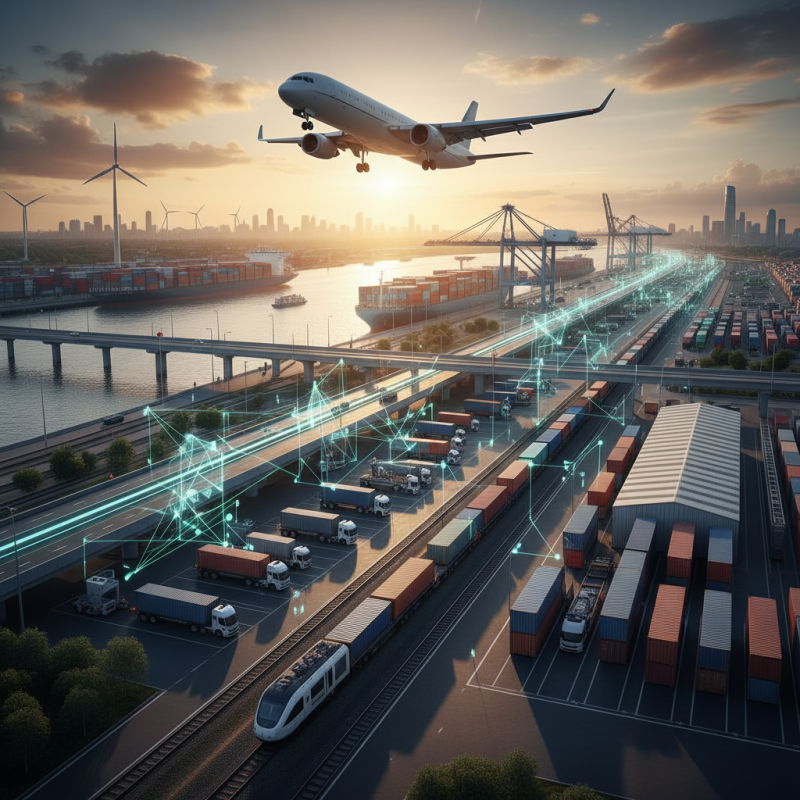
Understanding multi-modal transport is essential for efficient logistics. It combines various modes—road, rail, air, and sea—to streamline operations. According to a report by the International Transport Forum, integrating these modes can reduce transport costs by up to 15%. Different types include intermodal and co-modal transport, each with unique advantages.
Intermodal transport uses standardized containers across multiple transport modes. This creates flexibility and reduces handling times. In contrast, co-modal transport optimizes each mode separately. Each type ensures that goods arrive efficiently. However, operational challenges exist, like coordinating schedules across different carriers.
Tip: Always assess your cargo needs. Choose the mode that best fits your delivery times and costs. Establish clear communication channels between transport providers. Miscommunication can lead to delays and increased costs. An analysis by the European Commission suggests that optimizing route planning can improve efficiency by 20%.
Implementing multi-modal solutions requires collaboration. Developing partnerships among transport providers can enhance efficiency. While the potential for improved logistics exists, proper analysis and planning are crucial. Reliability can be a concern if modes do not work well together. Regularly evaluate your multi-modal strategy for success in your operations.
How to Effectively Integrate Multi Modal Transport Solutions?
| Transport Type | Definition | Advantages | Disadvantages |
|---|---|---|---|
| Road Transport | Transport of goods by vehicles on roads. | Flexible routes, door-to-door service, quick delivery. | Traffic congestion, limited capacity, environmental impact. |
| Rail Transport | Transport of goods using trains on railway tracks. | High capacity, cost-effective, environmentally friendly. | Fixed routes, longer transit times, requires infrastructure. |
| Air Transport | Transport of goods using aircraft. | Fastest transit times, global reach, safe transport. | High costs, limited cargo capacity, weather dependency. |
| Maritime Transport | Transport of goods by ships on water bodies. | Low cost for large shipments, minimal environmental impact per ton. | Slow speed, affected by weather conditions, port congestion. |
| Intermodal Transport | Using two or more modes of transport to convey goods. | Optimizes strengths of different modes, increased efficiency. | Complex logistics, potential for delays during transfers. |
FAQS
: Multi-modal transport combines road, rail, air, and sea to improve logistics efficiency.
Types include intermodal and co-modal transport. Each has its unique advantages and challenges.
Integrating different transport modes can lower transport costs by up to 15%, according to reports.
Intermodal transport uses standardized containers across multiple modes, increasing flexibility and reducing handling time.
Coordination is essential to avoid delays and misunderstandings. Operational challenges can arise from poor scheduling.
Optimize route planning to enhance efficiency by 20%. Clear communication is vital among transport providers.
Technology helps share real-time data across platforms, facilitating better decision-making during disruptions.
Barriers include data silos, infrastructure gaps, and cultural resistance to new transport options.
Regular feedback is crucial for improving practices and identifying areas that need re-evaluation.
Assess your cargo needs and choose the mode that best suits delivery times and cost-efficiency.
Conclusion
The article "How to Effectively Integrate Multi Modal Transport Solutions?" explores the concept of multi-modal transport, highlighting its definitions and various types. It presents key advantages, such as increased efficiency and cost-effectiveness, that come with utilizing multiple transport modes. To successfully address "how to integrate multi-modal transport," the article outlines strategies for effective integration, including the importance of seamless communication and coordination among different transport providers.
Additionally, the article delves into challenges faced in the implementation of multi-modal transport systems, such as infrastructure limitations and regulatory hurdles. Through case studies showcasing successful examples, it demonstrates practical applications and the benefits of a well-coordinated multi-modal transport approach, ultimately underscoring its significance in modern transport logistics.
