In the realm of global trade, understanding shipping methods is crucial. One common question is, "What is LCL vs FCL shipping?" This distinction is vital for buyers navigating international logistics. LCL (Less than Container Load) shipping allows multiple shippers to share a container. This option is cost-effective for smaller shipments. On the other hand, FCL (Full Container Load) shipping involves a single shipper using an entire container. It's ideal for large volumes and provides more security.
For global buyers, choosing between LCL and FCL can impact overall costs and delivery times. Many exporters prefer FCL for efficiency and simplicity. However, LCL offers a more economical solution for businesses with fluctuating inventory needs. Each method has pros and cons. Some may underestimate LCL's time efficiency or overlook FCL's higher initial costs. These aspects call for careful consideration.
Understanding shipping terms is essential for successful global trade. Buyers should reflect on their shipping needs and volumes before deciding. A clear grasp of LCL and FCL can lead to better logistics planning and savings.
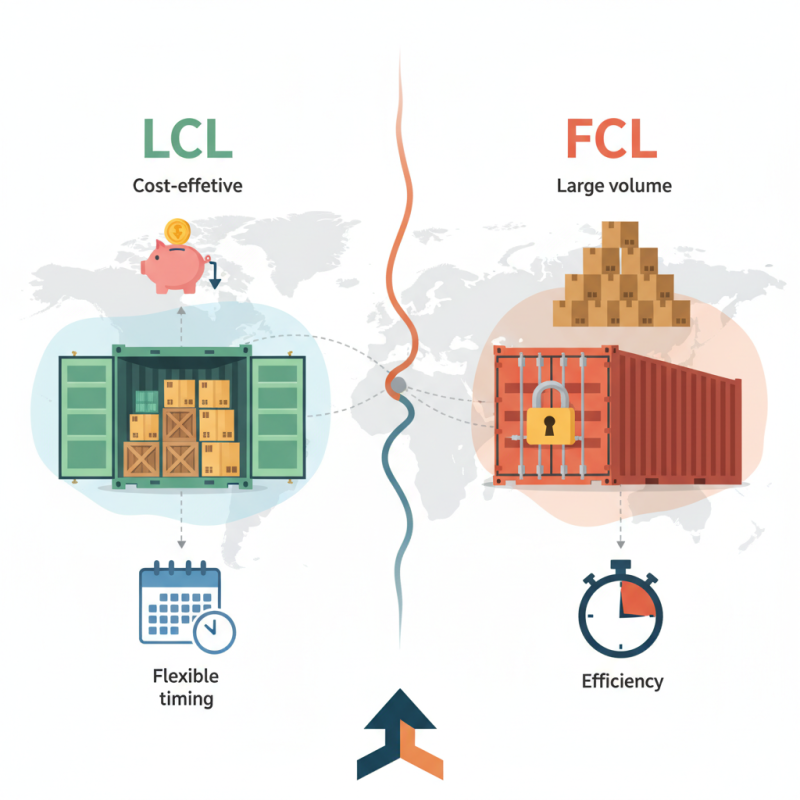
LCL Shipping: Definition, Characteristics, and Use Cases Explained
LCL shipping stands for Less than Container Load. It is a method used when a shipment does not fill an entire container. This shipping mode is gaining popularity among global buyers. According to industry analyses, the LCL market is expected to grow by over 5% annually.
LCL shipping offers flexibility. It allows buyers to send smaller volumes without incurring the full costs associated with FCL, or Full Container Load shipping. The average shipment size for LCL typically ranges from 1 to 15 cubic meters. Many businesses find this ideal for ongoing orders or seasonal stock. Yet, LCL shipping may result in longer transit times. Consolidation processes can delay delivery.
Tips: Consider your shipment size carefully. If it's consistently above 15 cubic meters, FCL may save you time and cost. Additionally, always compare quotes from multiple logistics providers. This can ensure you receive the best deal, as prices vary widely. Also, be aware of potential damages due to handling during consolidation. Packaging is crucial in minimizing this risk. Create a checklist before shipping to avoid unexpected issues.
FCL Shipping: Advantages, Disadvantages, and When to Choose It
FCL (Full Container Load) shipping offers distinct advantages for global buyers.
When a shipment occupies an entire container, it often leads to more efficient transport.
According to industry reports, FCL shipments can result in reduced handling times. This can notably decrease the risk of damage,
as fewer parties are involved in the handling process. Additionally, shipping costs may be lower per unit in FCL compared to
LCL (Less than Container Load), particularly for larger shipments.
However, FCL shipping might not be suitable for every situation. Companies with smaller order volumes may find it inefficient.
The requirement to fill an entire container can lead to excess capacity and increased costs.
Some reports indicate that more than 40% of containers are not fully utilized.
Buyers must also consider the immediate cash flow implications of committing to larger shipments.
Balancing inventory and warehouse space is essential, as improper planning can lead to logistical challenges.
FCL requires careful analysis before selection. For companies with frequent shipments, FCL may offer benefits. For those with variable orders,
LCL might be more advantageous. An awareness of these dynamics is vital.
Keeping abreast of market trends can help businesses make informed decisions on shipping methods.
Understanding individual needs through data analysis can build a robust shipping strategy.
Cost Comparison: LCL vs FCL Shipping Rates and Factors Affecting Pricing
When considering shipping options, understanding costs is critical. LCL (Less than Container Load) and FCL (Full Container Load) present unique pricing structures. LCL rates often fluctuate based on volume and destination. On average, LCL shipping can cost between $30 to $100 per cubic meter. This pricing varies significantly with shipping lines and transit times.
FCL tends to be more cost-effective for larger shipments. The typical cost for a 20-foot FCL container ranges from $1,000 to $3,000, depending on the route and service provider. It becomes economically viable when shipments exceed 15 cubic meters. However, FCL also incurs additional costs. Import duties, local handling fees, and port charges can add up. Shippers must factor these elements into their budgets.
Market reports indicate that LCL may be beneficial for smaller shipments, but it often leads to longer transit times. Delays can happen due to consolidation. This uncertainty can impact supply chain efficiency. Buyers are urged to consider their shipment size, timing, and flexibility when deciding between LCL and FCL. Having a clear understanding of these dynamics helps avoid unexpected costs and improves decision-making.
LCL vs FCL Shipping: Cost Comparison and Factors Affecting Pricing
| Shipping Method |
Cost per Cubic Meter |
Typical Delivery Time |
Minimum Volume Requirement |
Best For |
| LCL (Less than Container Load) |
$100 - $300 |
3 - 6 weeks |
No minimum |
Small shipments |
| FCL (Full Container Load) |
$1,200 - $3,000 |
2 - 4 weeks |
20 ft container |
Large shipments |
Transit Time Considerations: How LCL and FCL Differ in Delivery Speed
When considering shipping options, global buyers must evaluate both Less than Container Load (LCL) and Full Container Load (FCL) methods. One important factor is transit time, which can significantly differ between these two options. LCL is often slower because it consolidates shipments from multiple businesses. This process can lead to longer waiting times at ports as shipments are organized. If your business requires prompt delivery, LCL might not be ideal.
On the other hand, FCL offers quicker transit times. When you book an entire container, your goods move without delays caused by other shipments. This direct approach ensures that goods are loaded and dispatched more quickly. However, FCL may require a larger initial investment and space in the warehouse. Understanding the urgency and volume of your products is essential.
Buyers should also reflect on their specific needs. Are the savings from LCL worth the delays? Or does the speed of FCL justify the expense? Each decision carries unique implications. Balancing cost against delivery speed is crucial for making informed logistics choices.
LCL vs FCL Shipping Transit Time Comparison
Environmental Impact: Comparing LCL and FCL Shipping Sustainability Factors
When comparing LCL (Less than Container Load) and FCL (Full Container Load) shipping, sustainability plays a crucial role. LCL shipments usually have a smaller environmental footprint per unit. This mode consolidates cargo from multiple shippers, maximizing container usage. As a result, fewer containers are needed for transport, reducing carbon emissions. However, the frequent handling of smaller shipments can lead to increased carbon footprints through multiple loading and unloading processes.
On the other hand, FCL shipping can present its own set of challenges. While a full container is optimal for large shipments, not all businesses can fill an entire container. This limitation may lead to inefficiencies. If a container is not filled to capacity, the emissions per product increase, contradicting the idea of sustainability. Additionally, the logistics involved in FCL can sometimes lead to longer transit times, potentially negating some environmental benefits.
Ultimately, the choice between LCL and FCL shipping influences environmental impact in unique ways. Buyers should evaluate their shipment sizes and consider how each option aligns with their sustainability goals. The complexity of logistics and the varying efficiencies of each method warrant careful consideration. Balancing quantity, cost, and environmental responsibility is no simple task.
FAQS
: LCL stands for Less than Container Load. It's used when a shipment doesn't fill a container.
LCL offers flexibility. It is ideal for smaller volumes, typically 1 to 15 cubic meters.
LCL shipping is cost-effective for smaller shipments. It reduces full container costs, leading to savings.
LCL can result in longer transit times due to consolidation processes. This may delay deliveries unexpectedly.
LCL rates vary, usually between $30 to $100 per cubic meter. FCL is cheaper for larger shipments.
If your shipment is over 15 cubic meters, FCL could save time and money despite additional fees.
Always compare quotes from multiple providers. Assess your shipment size and possible damages during handling.
Create a checklist before shipping. Proper packaging helps minimize potential damages and unexpected problems.
Yes, FCL incurs import duties, local handling fees, and port charges which can increase total costs.
Longer transit times from LCL can impact efficiency. Ensure you consider timing and flexibility in your logistics.
Conclusion
Understanding "What is LCL vs FCL shipping" is essential for global buyers navigating the shipping landscape. LCL (Less than Container Load) shipping is ideal for those needing to ship smaller quantities, as it allows multiple shipments to share container space, making it cost-effective for businesses with lower volume needs. Conversely, FCL (Full Container Load) shipping is more suitable for larger shipments, providing advantages like reduced shipping times and fewer customs clearance issues.
When comparing costs, LCL is typically more affordable for smaller loads, while FCL can offer better rates for bulk shipments. Transit times also vary, with FCL generally being faster due to dedicated container use. Moreover, environmental impacts differ, with each method presenting unique sustainability factors, urging buyers to consider the ecological footprint of their shipping choices. Ultimately, the decision between LCL and FCL should align with the specific logistics needs and priorities of the buyer.
 NoviLink Logistics
