How to Minimize Transportation Damages for Global Shipments?

Time:2026-06-19 Author:Amelia
0%

Transportation damages can significantly impact global shipments. According to a 2021 study by Supply Chain Dive, nearly 10% of goods are damaged during transit. This results in substantial financial losses and supply chain disruptions. Businesses need to prioritize effective strategies. Understanding how to reduce damages during transportation is crucial for maintaining efficiency.

Proper packaging is essential. A report by the International Journal of Logistics Management highlights that nearly 25% of logistics costs are linked to packaging failures. Companies must invest in durable materials and innovative designs. This helps mitigate risks associated with handling and shipping.

In addition, employee training plays a vital role. A study from the Freight Transportation Research Center suggests that up to 30% of damages relate to human error. Regular training programs can enhance awareness and proper handling practices. While these strategies show promise, there remains a need for continuous improvement and adaptation in an evolving marketplace.
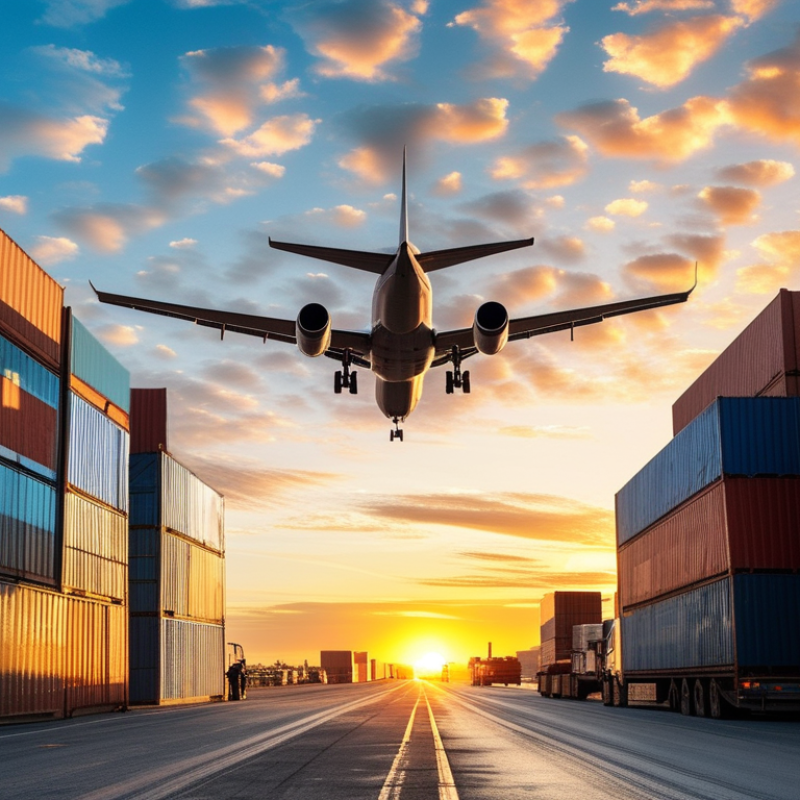
How to Minimize Transportation Damages for Global Shipments?

Understanding the Common Causes of Transportation Damages in Shipments

Transportation damages in global shipments often stem from several key issues. Handling, packaging, and environmental factors play crucial roles. Workers may rush or mishandle goods. This can lead to breakage or deformation. Proper training for staff can reduce these incidents. Enhancing awareness about fragile items is vital.

Packaging is another common cause of damage. Poorly designed boxes may not withstand the rigors of transit. Weak materials contribute to this problem. Using sturdy, well-fitted packaging can help. Consider using cushioning materials to absorb shocks. This reduces the risk of damages during transportation.

Environmental factors, such as temperature and humidity, also matter. Sensitive items may get damaged if exposed to extreme conditions. It’s essential to monitor environmental variations throughout the shipping process. Investing in temperature-controlled containers can help protect vulnerable shipments. Reflection on these common causes can lead to better practices and reduced damages.

Understanding Transportation Damages in Global Shipments

This chart illustrates the common causes of transportation damages in global shipments based on real-world data. The goal is to understand where most damages occur to implement strategies for minimizing them.

Implementing Proper Packaging Techniques to Protect Goods During Transit

Proper packaging is crucial for minimizing transportation damages in global shipments. With various modes of transport, packages face different challenges. The right materials can protect goods from impacts, moisture, and temperature changes.

Use sturdy boxes and cushioning materials. Foam, bubble wrap, and packing peanuts absorb shocks during transit. However, be mindful of weight limits. Overpacking can increase shipping costs and lead to damage in handling. Use the right box size. An oversized box can lead to movement and potential damage.

Labeling is another key aspect. Clear, durable labels ensure proper handling. Fragile items should have noticeable markings. It’s essential to train staff on packaging techniques. Improper packing can result in losses. Consistency in packaging standards is vital for all shipments. Evaluate your current processes regularly for improvements. Unexpected damage incidents can lead to costly delays.

Choosing the Right Shipping Methods and Carriers for Safe Delivery

Selecting the right shipping methods and carriers is critical to minimizing transportation damages for global shipments. According to industry reports, a staggering 23% of shipments suffer some form of damage during transit. Often, this is due to improper handling or inadequate packaging. Choosing dependable carriers who have a track record of safe delivery is essential. Look for those that provide clear documentation and training on handling fragile items.

Additionally, the choice of shipping method greatly influences the safety of goods. Air freight, while more expensive, typically results in fewer damages compared to ocean freight. A report from the Freight Transportation Research shows that air shipments have a 99.9% damage-free rate. On the other hand, ocean freight, while cost-effective, carries a higher risk of exposure to harsh conditions and longer transit times. Conducting a risk assessment prior to selecting a method can reveal potential vulnerabilities.

Moreover, oversight in choosing packaging materials can lead to costly errors. For example, using substandard pallets may increase the likelihood of damage. Statistics indicate that inadequate packaging contributes to about 65% of shipment damage cases. Regularly reviewing and updating packaging strategies is necessary to keep pace with changing standards in safety and efficiency.

How to Minimize Transportation Damages for Global Shipments?

Shipping Method Damage Rate (%) Delivery Time (Days) Cost (USD) Recommended Carrier Type
Air Freight 1.2 5-7 3000 Freight Forwarders
Sea Freight 3.5 15-30 1500 Shipping Lines
Rail Transport 2.0 10-20 1200 Logistics Providers
Truck Freight 2.5 3-10 800 Local Carriers

Monitoring Environmental Conditions Throughout the Shipping Process

Monitoring environmental conditions during global shipments is crucial for minimizing transportation damages. According to the World Shipping Council, nearly 10% of shipments are damaged during transit. Factors like temperature, humidity, and vibration can significantly affect cargo integrity. For sensitive goods, maintaining stable environmental conditions is essential to avoid spoilage or degradation.

Tips: Utilize temperature and humidity sensors within containers. This helps track conditions in real-time. Regularly monitor these metrics throughout the shipping journey. Consider using cushioned pallets to limit vibrations that could harm delicate items.

Data from the International Air Transport Association (IATA) shows that improper handling can increase costs by up to 30%. Companies must invest in technology that allows for continuous monitoring. A failure to adapt may lead to greater losses over time. Planning for unforeseen weather changes and adapting routes accordingly is also a key factor in ensuring cargo safety.

Tips: Implement predictive analytics to foresee environmental challenges. Develop contingency plans for different weather scenarios. Engage in training sessions for staff on handling environmental data effectively. These approaches can significantly enhance shipment reliability.

Establishing Clear Communication Channels for Damage Reporting and Resolution

Establishing clear communication channels is crucial for effective damage reporting in global shipments. When a shipment gets damaged, delays often arise from miscommunication. If employees are unsure about whom to contact, valuable time is lost. Each member of the team should know their role in this process. Clear guidelines on reporting damage can streamline resolutions and minimize frustration.

Equally important is the need for consistent follow-up. Once a damage report is made, swift communication about its status is essential. Customers should be informed at every stage, even when there are no updates. This creates trust and keeps tension low. However, this can be challenging. Staff turnover may lead to gaps in knowledge. Frequent training is necessary to ensure everyone is on the same page.

Additionally, adopting technology can enhance communication. Not all companies use digital tools effectively. Some rely on outdated methods, which may lead to misunderstandings. Platforms that enable real-time updates can significantly improve damage communication. Yet, not every organization is ready for this shift. Therefore, it’s important to assess readiness before implementation.

FAQS

: Why is choosing the right shipping method important?

: The right shipping method minimizes damages during transit. Risky choices, like ocean freight, may lead to higher damage rates.

What percentage of shipments suffer damage during transit?

About 23% of shipments experience some form of damage. Improper handling or poor packaging often causes this issue.

How does air freight compare to ocean freight in terms of damage?

Air freight has a 99.9% damage-free rate. In contrast, ocean freight has a higher risk of damage due to conditions.

What role does packaging play in shipment safety?

Packaging is crucial; inadequate materials cause around 65% of shipment damages. Regular reviews of packaging strategies are essential.

Why is communication vital for damage reporting?

Clear communication channels prevent delays in damage reporting. Miscommunication can lead to lost time and frustration for teams.

How can companies improve damage reporting procedures?

Establishing clear guidelines and roles can streamline reporting. Regular training ensures staff remain knowledgeable and effective.

What technology can assist with communication about damages?

Digital platforms enable real-time updates and improve communication. However, companies must assess their readiness for such tools.

What challenges might arise during the damage reporting process?

Staff turnover can lead to knowledge gaps, complicating damage reports. Consistent follow-up can help maintain communication clarity.

Is there a risk to relying on outdated communication methods?

Yes, outdated methods may cause misunderstandings and delays. It’s important to adopt new technologies for efficient communication.

What might happen if packaging materials are ignored?

Poor packaging leads to increased damage risks. Companies must prioritize adequate materials to ensure safe delivery.

Conclusion

Minimizing transportation damages for global shipments is crucial for ensuring the safe delivery of goods. To achieve this, it's essential to understand the common causes of damages, which often stem from inadequate packing, improper handling, and environmental factors. Implementing proper packaging techniques, such as using cushioning materials and securing items effectively, can significantly reduce the risk of damage. Additionally, selecting the right shipping methods and carriers is vital, as they play a significant role in the safe transit of products.

How to reduce damages during transportation also involves closely monitoring environmental conditions throughout the shipping process, as fluctuations in temperature and humidity can adversely affect certain goods. Moreover, establishing clear communication channels for reporting and resolving any damage that may occur is necessary for swift resolution and maintaining customer satisfaction. By adopting these strategies, businesses can optimize their shipping processes and minimize losses associated with transportation damages.

Amelia

Amelia

Amelia is a seasoned marketing professional with a wealth of expertise in our company’s core offerings. With an unwavering passion for driving growth and innovation, she plays a pivotal role in shaping our marketing strategies and enhancing brand visibility. A key aspect of her responsibilities......