How to Optimize Warehouse Operations for Freight Efficiency?

Time:2026-05-22 Author:Oliver
0%

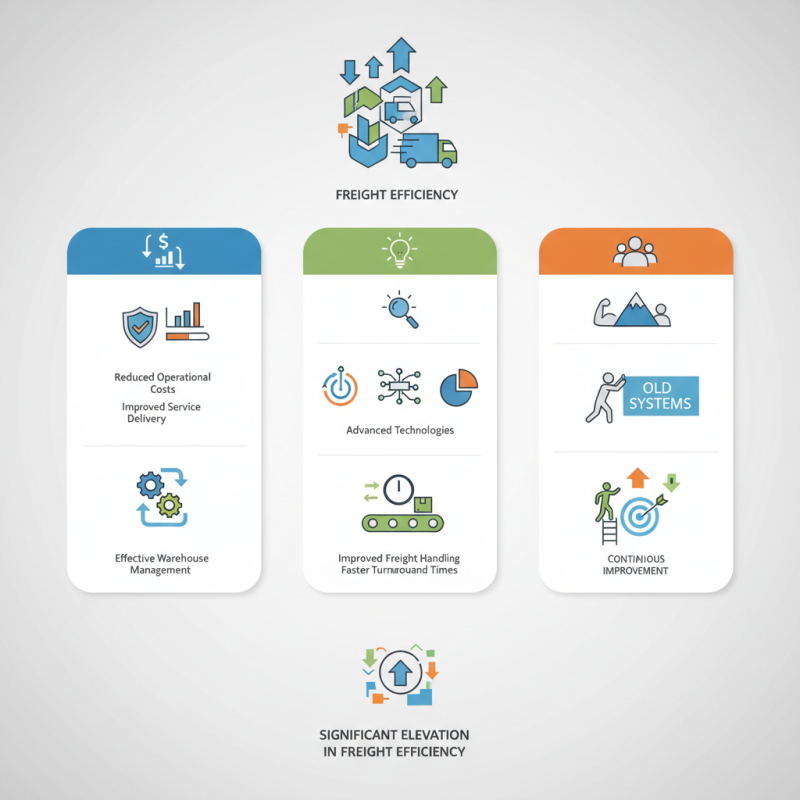
In today's competitive logistics landscape, optimizing warehouse operations for freight efficiency is vital for success. According to a report by the Warehouse Efficiency Association, companies can reduce operational costs by up to 30% through effective warehouse management. However, achieving this efficiency requires specialized knowledge and strategic planning.

Expert Jonathan M. Richards, a leading voice in logistics optimization, states, "Improving warehouse processes can unlock significant cost savings and enhance service delivery." His insights highlight the importance of re-evaluating current practices. Many warehouses still rely on outdated systems, which can hinder productivity and increase lead times.

Streamlined workflows, advanced technologies, and data-driven decisions are essential elements. Implementing these can lead to improved freight handling and faster turnaround times. Nevertheless, the path to optimization is not without challenges. Organizations need to confront resistance to change and invest in staff training. Through a commitment to continuous improvement, businesses can significantly elevate their freight efficiency.
How to Optimize Warehouse Operations for Freight Efficiency?

Understanding Warehouse Layout for Enhanced Freight Efficiency

Warehouse layout plays a crucial role in freight efficiency. An effective design reduces travel time for workers and equipment. This means fewer delays and faster processing. Think about the flow of goods. Products should move seamlessly from receiving to storage, then to shipping. A well-planned layout minimizes obstacles and maximizes space utilization.

Consider the placement of shelves and docking areas. Create dedicated zones for different tasks. For instance, separate picking areas from packing zones. This reduces congestion and improves workflow. Implementing clear signage and pathways can further enhance efficiency. Even simple changes like wider aisles can make a difference.

However, it's important to remain flexible. Needs can change over time. Regularly reassess the layout to respond to shifts in inventory levels or order volume. Engaging staff in this process can reveal useful insights. They often see problems that are easy to overlook. Continuous improvement is key to achieving long-term freight efficiency.

Warehouse Operations Efficiency by Freight Type

Implementing Technology Solutions for Streamlined Operations

The modern warehouse operates at the intersection of logistics and technology. Implementing technology solutions can significantly enhance operational efficiency. A recent report by Supply Chain Dive indicates that technology can improve warehouse productivity by 20-30%. This is especially critical as e-commerce demands grow. Forklifts equipped with sensors and automated storage systems streamline processes, reducing manual intervention.

Data management emerges as a key player in optimizing warehouse efficiency. Real-time inventory tracking through RFID tags allows for better decision-making. A study from the MHI Industry Group shows that 75% of warehouses using automated systems experience improved accuracy in inventory counts. However, implementing these technologies requires a thoughtful approach. Often, businesses overlook the initial training needed for staff to adapt to new systems.

Moreover, integration challenges can arise as different technological solutions may not communicate effectively. Businesses must be mindful of selecting compatible systems. Regular assessment of these technologies is crucial. Continuous improvement ensures that warehouses do not fall behind in a fast-paced market. Addressing these pitfalls leads to sustained efficiency and responsiveness in warehouse operations.

Best Practices for Inventory Management and Control

Effective inventory management plays a crucial role in optimizing warehouse operations. Accurate tracking systems help reduce costly errors. Regular audits can reveal discrepancies that might go unnoticed. This proactive approach increases reliability. Employees should be trained to handle inventory using updated technology. Familiarity with software reduces the time spent on manual processes. This leads to faster shipments and improved efficiency.

Implementing FIFO (First In, First Out) or LIFO (Last In, First Out) helps in managing stock levels. Choosing the right method depends on the type of inventory. Seasonal products may need distinct approaches. Keep storage areas organized to maximize space. Clutter affects productivity and increases retrieval time. Ensuring clear labeling can drastically improve order accuracy.

However, even the best systems can have hiccups. Sometimes, software glitches occur. Mistakes in data entry can lead to stockouts or overstocking. Regular staff training is essential but may seem tedious. The balance between efficiency and employee morale can be challenging. Finding what works best requires continuous evaluation and adjustment.

Optimizing Labor Efficiency in Warehouse Processes

Optimizing labor efficiency in warehouse processes is crucial for improving overall performance. Efficient labor management can significantly reduce operational costs. One key area to focus on is training. Warehouse staff should receive regular training on the latest technologies and best practices. For example, teaching employees how to effectively use automation tools can streamline tasks.

Another important factor is workflow design. Ensure that the layout of the warehouse supports smooth processes. Position frequently picked items closer to packing areas. This reduces travel time and increases productivity. Regularly analyze employee performance data for insights. Identify bottlenecks and address them promptly.

Encouraging a culture of continuous improvement is vital. Employees should feel empowered to suggest changes. Simple adjustments can lead to significant efficiency gains. However, not every idea will work perfectly. It’s essential to evaluate changes regularly and adapt as needed. Having a flexible approach will ultimately lead to a more effective labor force in the warehouse.

Evaluating Transportation Methods for Improved Freight Outcomes

Evaluating transportation methods is essential for enhancing freight outcomes. Companies often overlook the impact of choosing the right transportation mode. Different methods come with unique advantages and disadvantages. For instance, road transport offers flexibility but may face traffic delays. Rail transport is more cost-effective for long distances but can be slow.

Analyzing these factors requires attention to detail. Consider the nature of the goods, urgency, and distance when selecting a method. Real-life scenarios show that a combination of transport modes, such as using trucks for last-mile delivery after rail transit, can optimize the supply chain. However, this strategy may complicate logistics and require additional planning.

Furthermore, costs play a significant role. Some companies might prioritize lower costs over efficiency. This approach can lead to delays and unsatisfied customers. Other firms might choose high-speed options at a premium, risking over-budget scenarios. Each method should be evaluated carefully, balancing cost with reliability. Frequent reflection on these choices can lead to continuous improvement in freight operations.

FAQS

: Why is inventory management important?

: It optimizes warehouse operations and reduces costly errors through accurate tracking systems.

How can I improve order accuracy?

Clear labeling and organized storage areas can drastically enhance order accuracy.

What are FIFO and LIFO?

FIFO means First In, First Out; LIFO means Last In, First Out. Each has its uses based on inventory type.

How does employee training affect efficiency?

Regular training on technology helps employees work faster and reduces manual processing time.

What should I consider when selecting transportation methods?

Evaluate the nature of goods, urgency, distance, and balance costs with reliability for optimal outcomes.

How can I analyze warehouse labor efficiency?

Regularly examine employee performance data and identify bottlenecks to improve processes.

What challenges may arise in inventory management?

Software glitches and data entry mistakes can lead to stockouts or overstocking.

How can I promote continuous improvement in my warehouse?

Encourage employees to suggest changes, even small adjustments, can lead to efficiency gains.

What factors affect warehouse layout design?

Position frequently picked items near packing areas to reduce travel time and increase productivity.

Why might not every idea lead to success?

Continuous evaluation is necessary. Some changes may not yield the expected results, requiring adjustments.

Conclusion

To effectively address the question of how to optimize warehouse operations for freight efficiency, it is essential to focus on several key areas. First, understanding the warehouse layout is crucial as an optimized design can facilitate better movement of goods and reduce handling times. Incorporating technology solutions, such as warehouse management systems, greatly streamlines operations and enhances tracking capabilities.

Moreover, best practices in inventory management and control help minimize stock discrepancies and improve order accuracy. Equally important is optimizing labor efficiency by implementing training and ergonomic practices that empower workers. Finally, evaluating various transportation methods will lead to improved freight outcomes, ensuring that goods are delivered in a timely and cost-effective manner. Collectively, these strategies provide a comprehensive approach to enhancing warehouse operations for freight efficiency.

Oliver

Oliver

Oliver is a seasoned marketing professional with a wealth of expertise in driving brand awareness and engagement. With a deep understanding of our company's product offerings, he consistently delivers high-quality content that enriches our professional blog. His insights not only shed light on......