 NoviLink Logistics
How to Overcome Challenges in Cross Border E Commerce Shipping?
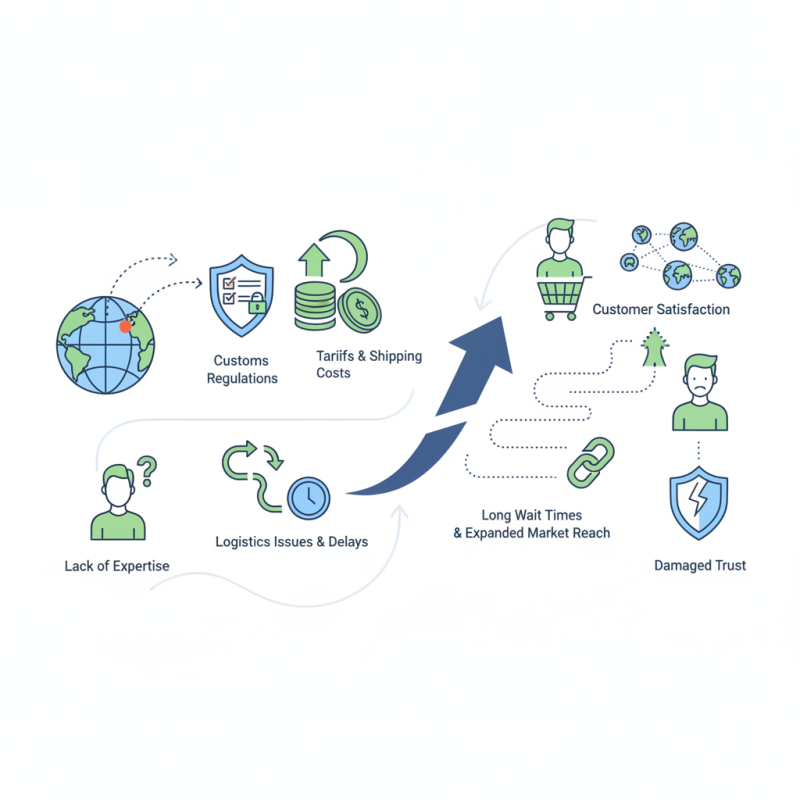
Cross-border e-commerce has transformed global trade by facilitating international transactions. However, it comes with unique challenges. Why cross-border e-commerce shipping is challenging lies in several factors. Customs regulations, tariffs, and shipping costs create complexities. Companies must navigate different laws and practices in each country.
Logistics issues compound these hurdles. There are delays and lost packages due to varied delivery systems. Many businesses lack the expertise to manage these nuances, leading to frustration. Additionally, customers face long wait times and uncertainties about their orders, which can damage trust.
Despite the obstacles, addressing these challenges is crucial for success. Companies must invest in reliable solutions, optimizing their shipping strategies. An effective approach can turn these difficulties into opportunities, enhancing customer satisfaction and expanding market reach.
Understanding Common Challenges in Cross Border E-Commerce Shipping
Cross-border e-commerce shipping presents unique challenges. Understanding these hurdles is essential for any business looking to expand internationally. One significant issue is customs clearance. Each country has different regulations and tariffs. Delays in customs can lead to unhappy customers and lost sales. Navigating international trade laws requires expertise and careful documentation.
Additionally, delivery times can vary significantly. International shipments may experience delays due to various factors, such as weather or political issues. Customers expect timely deliveries. Yet, many businesses fall short of these expectations. Transparency with customers about potential delays can help manage their expectations. Understanding these common challenges is crucial for success in cross-border e-commerce shipping.
FAQS
: Varied regulations can complicate logistics and increase costs. Many businesses face unexpected customs delays which impact customer satisfaction.
Automated tools track shipments in real-time. Businesses using these systems see a 30% boost in shipping efficiency.
Smaller, lighter packages lower costs and are easier to handle. This can improve the overall shipping experience.
Accurate documentation is crucial. Missing papers can lead to increased fees or shipment returns, impacting sales.
Regularly reviewing metrics helps identify improvement areas. Customer feedback can guide necessary adjustments in services.
Staying informed about regulation changes is essential. Some businesses use automated tools, but they require ongoing monitoring.
Evaluate their network coverage and technology integration. A strong partner can enhance delivery speed and customer satisfaction.
Transparency in shipping builds trust. Many customers prefer to track orders, so robust tracking systems are essential.
Shipments delivered within three days increase customer retention rates. Delays can damage your business's reputation.
Open dialogue prevents misunderstandings. Ongoing feedback strengthens relationships and ensures smoother logistics management.
Conclusion
Cross-border e-commerce shipping presents several challenges that businesses must navigate to ensure successful international transactions. Understanding these common challenges, such as varying customs regulations, shipping costs, and delivery times, is essential. It is crucial to implement key strategies that streamline shipping processes, which include optimizing logistics and improving communication channels. Why cross-border e-commerce shipping is challenging also lies in the necessity of compliance with diverse customs regulations, which can vary significantly from country to country.
Choosing reliable shipping partners is another critical factor for e-commerce success, as it impacts delivery speed and customer satisfaction. Additionally, leveraging technology can greatly enhance efficiency in cross-border shipping by automating processes and providing real-time tracking information. Overall, addressing these complexities and adopting proactive strategies can help businesses thrive in the dynamic landscape of cross-border e-commerce.
