How Packaging Quality Impacts Freight Costs for Shippers?

Time:2026-06-13 Author:Sophia
0%

The logistics industry faces numerous challenges, and one crucial factor is often overlooked: packaging quality. Many shippers underestimate how packaging impacts their freight costs. Understanding why packaging quality affects freight costs is essential for optimizing shipping strategies. Quality packaging protects products, preventing damage during transit. Damaged goods lead to returns and increased costs.

Moreover, poor packaging can increase transportation volume. Bulky or inadequate materials require more space, raising shipping fees. Efficient packaging minimizes waste and reduces overall expenses. Shippers must prioritize packaging to enhance efficiency. However, the focus on packaging can be flawed if not carefully assessed.

Investing in high-quality packaging materials is essential but should align with product value. Over-packaging or using premium materials for low-value items can inflate costs unnecessarily. Each packaging decision should reflect an understanding of supply chain dynamics. Striking a balance between protection and cost is vital. As shippers navigate this complex landscape, the impact of packaging quality on freight costs becomes even clearer.
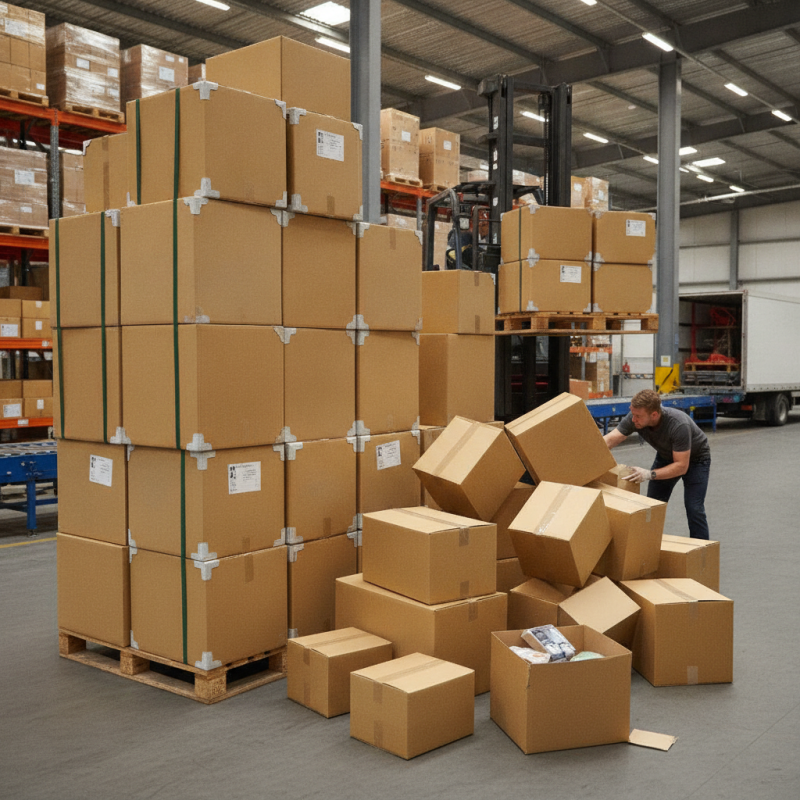
How Packaging Quality Impacts Freight Costs for Shippers?

The Importance of Packaging Quality in Shipping Logistics

Packaging quality plays a crucial role in shipping logistics. High-quality packaging protects products during transit. It reduces damage rates and returns. This ultimately leads to cost savings. When items arrive intact, customers are satisfied. Happy customers are more likely to reorder.


However, not all shippers prioritize packaging. Some choose cheap materials to cut costs. This decision can backfire. Poor packaging can contribute to higher freight costs. Damaged goods often lead to extra shipping expenses. There’s also a hidden cost in customer dissatisfaction. A single negative review can affect business significantly.


Investing in durable packaging is key. Strong boxes, cushioning materials, and waterproofing can make a difference. Shippers should regularly assess their packaging strategies. Are they meeting quality standards? Are they minimizing waste? Reflecting on these questions can lead to improved efficiency and lower costs. Ultimately, better packaging reflects a company’s commitment to quality.

How Poor Packaging Influences Freight Damage Rates

Poor packaging significantly raises the risk of freight damage. When products are inadequately protected, they are more likely to sustain harm during transport. This damage can occur from simple jostling or from more severe impacts. Fragile items require special care. If not packed properly, they can shatter or break. This is particularly concerning for high-value shipments.

To illustrate, imagine an electronics component sent without cushioning materials. The slightest bump could lead to a costly loss. Shippers should recognize these risks. Subpar packaging not only results in damaged goods but also increases freight costs. When items are damaged, they often need replacement. This can lead to delays and additional shipping fees. It's a cycle that can lead to diminished trust with clients.

Investing in quality packaging pays off. Using the right materials can prevent damage and reduce claims. The cost of protective packaging is minor compared to the potential losses from damage. Regular reviews of packaging methods are essential. Adapting to new materials and techniques can enhance safety. Poor packaging is a critical oversight that can affect the entire shipping process.

How Packaging Quality Impacts Freight Costs for Shippers

The Financial Implications of Packaging Failures for Shippers

Packaging failures can significantly increase freight costs for shippers. According to a report by the Packaging Institute, nearly 30% of products are returned due to inadequate packaging. Each return not only incurs direct shipping costs but also affects inventory management and customer satisfaction. In fact, the cost of handling returns can exceed $20 per item, highlighting financial repercussions.

Poor packaging can lead to product damage during transit. Statistics show that around 15% of goods are damaged, which further escalates costs for replacement and additional shipping. When freight costs rise, profit margins shrink. The Council of Supply Chain Management Professionals notes that a well-designed package can reduce freight costs by up to 10%. However, many companies overlook this aspect.

Investing in quality packaging is crucial. It not only protects products but can also optimize shipping dimensions. Inadequate packaging often forces shippers to use more space or weight than necessary, resulting in higher freight rates. A focused analysis of packaging strategies can yield substantial savings. Yet, shippers frequently ignore this potential, leading to missed opportunities for efficiency and cost reduction.

Strategies for Optimizing Packaging to Reduce Shipping Costs

Effective packaging plays a crucial role in determining freight costs. A recent study by the Packaging Efficiency Council found that poor packaging can increase shipping expenses by up to 30%. This not only reflects material costs but also impacts dimensions and weight, which are key pricing factors in freight logistics.

To reduce these costs, shippers should focus on optimizing packaging size and weight. Using lighter materials can significantly lower shipping fees. For example, switching to lighter boxes can reduce costs by an estimated 20%. Additionally, companies should consider using packaging that is designed for specific products. Custom-fit packaging minimizes void space, reducing dimensional weight charges associated with standard boxes.

Addressing packaging efficiency also means reevaluating existing designs. Many businesses overlook the importance of bulk shipping options and the potential savings from consolidating shipments. It’s vital to analyze packaging performance regularly. Identify areas where improvements can be made to further decrease costs. Don’t hesitate to experiment with new materials or designs that may initially seem unconventional. Balancing cost-effectiveness with protective qualities of packaging can lead to long-term savings.

Assessing the Relationship Between Packaging Design and Freight Efficiency

Packaging design plays a crucial role in freight efficiency. High-quality packaging can minimize product damage during transit. When items are well-protected, shippers face fewer claims and returns. This directly saves costs associated with replacement and handling.

Conversely, poor packaging can lead to significant losses. Inadequate materials may not safeguard products, leading to breakage. Each damaged item adds to shipping expenses. It’s common for shippers to overlook the long-term implications of their packaging choices. An efficient design is not just about aesthetics; it’s about ensuring products arrive safely.

Moreover, packaging shape affects how goods are loaded and transported. Streamlined designs can enhance space utilization in containers. This optimization reduces shipping costs and carbon footprint. Each inch saved in space directly impacts freight expenses. Thus, shippers must carefully assess their packaging strategies to enhance both efficiency and cost-effectiveness.

How Packaging Quality Impacts Freight Costs for Shippers
Packaging Type Dimensions (L x W x H) in cm Weight per Unit (kg) Cost per Unit ($) Freight Cost per Shipment ($) Damage Rate (%) Shipping Efficiency Score (1-10)
Plastic Box 30 x 20 x 15 0.8 5.00 50.00 2 9
Cardboard Box 40 x 30 x 20 1.5 3.50 60.00 5 7
Shrink Wrap Varies 0.5 2.00 30.00 1 8
Palletized Load 120 x 100 x 150 600 1.00 200.00 10 5
Eco-friendly Paper Bag 25 x 15 x 10 0.2 1.50 20.00 1 10

FAQS

: How does poor packaging affect freight damage rates?

: Poor packaging increases the risk of freight damage significantly. Inadequate protection makes products more vulnerable during transport.

What happens to fragile items during shipping?

Fragile items can shatter or break if not packed properly. They require special care to prevent damage.

What are the financial repercussions of packaging failures?

Inadequate packaging can raise freight costs and lead to product returns. Handling returns can cost over $20 per item.

How does damaged freight affect shipping costs?

Around 15% of goods sustain damage during transit. This results in replacement costs and increased shipping fees.

What can shippers do to optimize packaging?

Shippers should focus on reducing packaging size and weight. Lighter materials can decrease shipping fees by around 20%.

Why is custom-fit packaging important?

Custom-fit packaging minimizes void space. This helps avoid extra charges based on dimensional weight.

How often should packaging strategies be reviewed?

Regular reviews of packaging methods are essential. Companies should analyze for potential improvements and cost reductions.

What are the benefits of investing in quality packaging?

Quality packaging protects products and can optimize shipping dimensions. It often leads to cost savings in the long run.

Why do companies overlook packaging efficiency?

Many businesses fail to recognize how packaging impacts costs. They miss opportunities for efficiency and savings.

What should shippers consider when experimenting with new packaging?

Shippers should balance cost-effectiveness and protection. Unconventional designs may lead to long-term savings if tested.

Conclusion

The quality of packaging plays a crucial role in shipping logistics, directly influencing freight costs and overall efficiency. Poor packaging can lead to increased damage rates during transit, resulting in financial losses for shippers. Understanding why packaging quality affects freight costs is essential for businesses aiming to optimize their shipping operations. By investing in better packaging strategies, shippers can significantly reduce the risk of damage and associated costs, ensuring that goods arrive safely and intact.

Moreover, a well-designed packaging system not only minimizes freight damage but also enhances operational efficiency. Implementing effective packaging designs can streamline the shipping process, reduce wasted space, and ultimately lead to lower freight expenses. By assessing the relationship between packaging design and freight efficiency, shippers can make informed decisions that improve their bottom line while maintaining the integrity of their products during transport.

Sophia

Sophia

Sophia is a dedicated marketing professional with an exceptional depth of knowledge about her company's products and services. With a keen understanding of market trends and customer needs, she crafts insightful blog posts that not only inform but also engage readers, enriching the company’s online......