How to Reduce Air Cargo Costs for Global Buyers?

Time:2026-05-01 Author:Amelia
0%

Air cargo costs have a significant impact on global trade. According to the International Air Transport Association (IATA), air freight demand increased by 6% in 2023. However, high shipping costs remain a challenge. Buyers face rising expenses due to fluctuating fuel prices and increased security measures. Understanding how to reduce air cargo costs is essential for maintaining competitive pricing.

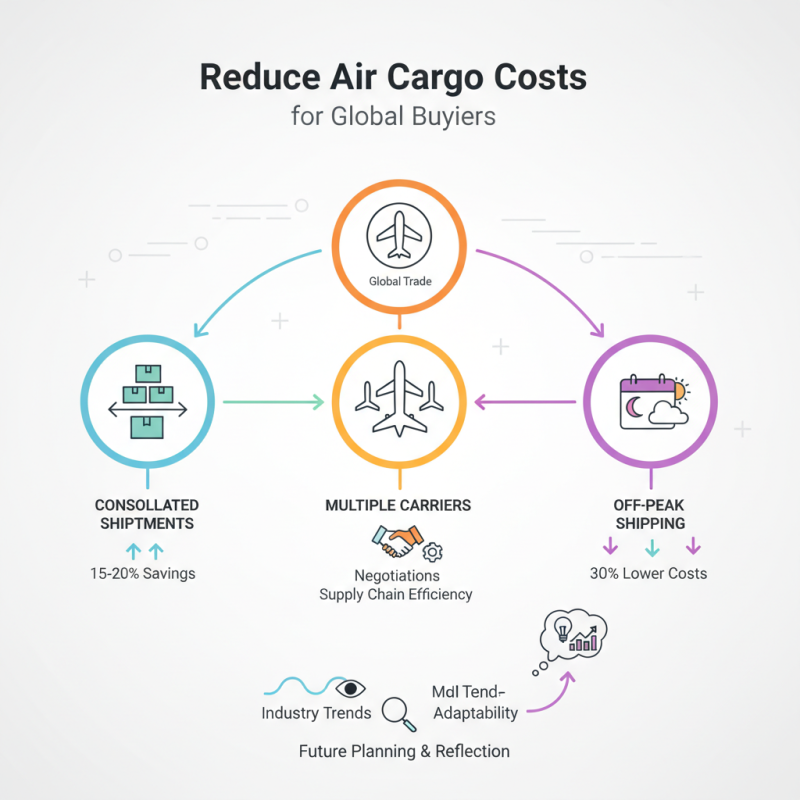
To navigate these challenges, global buyers must employ strategic approaches. Utilizing consolidated shipments can reduce costs substantially. Reports indicate that consolidating air freight can save 15-20% in shipping expenses. Additionally, engaging with multiple carriers may lead to better pricing negotiations. This flexibility can help mitigate rising costs and enhance supply chain efficiency.

Buyers should also evaluate their shipping frequency and timing. Seasonal fluctuations often influence rates. An insightful analysis reveals that shipping during off-peak times can lower costs by up to 30%. While exploring these strategies, it’s crucial to remain adaptable and continuously assess industry trends. Each adjustment may yield different results. Reflecting on previous decisions is essential for future planning in this dynamic market.
How to Reduce Air Cargo Costs for Global Buyers?

Understanding the Components of Air Cargo Costs for Global Buyers

Air cargo costs can seem daunting to global buyers. Understanding the components of these costs is essential for effective budgeting. Key elements include freight rates, fuel surcharges, and handling fees. Freight rates fluctuate based on demand and distance. Fuel prices can shift unpredictably, impacting overall expenses. Buyers often overlook the importance of accurate weight and dimension measurements. Underestimating these can lead to extra charges.

Another significant aspect is the documentation and customs fees. Proper paperwork helps avoid delays and unexpected costs. Customs duties can vary widely depending on the shipment's origin and destination. Buyers should stay informed about trade agreements that may alleviate some of these expenses. Using technology can also aid in tracking costs, but not all systems are user-friendly. Some buyers may find themselves overwhelmed by the complexities of air cargo logistics.

Investing time to understand these components is worthwhile. Learning about airline policies can offer insights into seasonal pricing shifts. Moreover, collaborating with experienced logistics providers can lead to more favorable rates. However, not all providers deliver the same level of service or cost efficiency. Careful research and ongoing evaluation are necessary to make informed choices.

Analyzing Air Freight Rate Trends and Their Impact on Costs

Air freight rates have fluctuated significantly in recent years. Understanding these trends is crucial for global buyers aiming to reduce costs. Various factors drive these rates, including fuel prices, demand fluctuations, and seasonal trends. For instance, during peak seasons, rates can spike dramatically due to increased demand. This can severely impact budgeting for air cargo.

Analyzing past rate trends can reveal patterns. Often, rates dip during off-peak seasons, presenting opportunities for savings. Buyers should track shifts closely. Utilizing analytics can help forecast future costs effectively. However, relying solely on historical data has its drawbacks. It may overlook unpredictable events, such as geopolitical tensions or natural disasters. These factors can quickly disrupt the air freight market.

Effective negotiation is essential. Building strong relationships with freight forwarders can lead to better rates. Global buyers should also consider consolidating shipments to maximize space and savings. Yet, this approach requires careful coordination. Improper planning can lead to delays and increased costs. Thus, continuous assessment of air freight strategies is vital. These insights foster a more informed approach to air cargo management.

Air Freight Rate Trends and Cost Reduction Strategies

Identifying Cost-Saving Opportunities in Packaging and Weight Management

In the ever-evolving world of air cargo, managing packaging and weight is crucial for cost reduction. According to the International Air Transport Association, approximately 30% of air freight costs stem from fuel. Thus, optimizing weight can lead to significant savings. Streamlining packaging not only reduces weight but also maximizes space in cargo holds, allowing for more efficient transportation.

One effective strategy is to use lightweight materials. Switching from traditional packaging to alternatives like biodegradable films or corrugated boxes can shrink overall weight. When each shipment contributes to elevated costs, even minor changes can result in substantial savings over time. Conducting a thorough weight assessment for all products can provide insights into potential reductions.

Tips: Evaluate your packaging regularly. Aim for materials that maintain product integrity while lowering weight. Consider redesigning packaging to use less material without compromising safety. Remember, every gram counts.

Another area to explore is dimensional weight pricing. Many airlines charge based on the larger of actual weight or dimensional weight. Properly measuring and adjusting your package size can prevent unnecessary surcharges. Tools and software are available to assist in calculating dimensional weight accurately.

Tips: Invest in proper measuring tools. Familiarize yourself with your carrier’s dimensional weight policies. Regular audits of shipments can help identify areas for improvement. The effort invested in these adjustments will pay dividends in the long run.

Evaluating the Role of Shipping Routes and Carrier Contracts in Cost Reduction

Shipping routes play a critical role in air cargo costs. The choice of route affects not only transit time but also overall costs. According to recent data from the International Air Transport Association, inefficient routing can add up to 30% to shipping expenses. By optimizing routes, global buyers can significantly reduce costs and enhance supply chain efficiency.

Carrier contracts also present an essential avenue for cost reduction. Negotiating contracts based on shipping volume and frequency can yield substantial discounts. Research indicates that businesses can save up to 25% on air cargo rates by leveraging long-term partnerships with carriers. Yet, many companies overlook this potential. Regularly reviewing and renegotiating agreements is vital, but it requires time and effort, which some may find daunting.

Moreover, improper assessment of shipping needs can lead to unnecessary expenses. For example, using express services for non-time-sensitive deliveries can escalate costs. A careful analysis of shipment requirements, combined with strategic route selection and contract negotiations, can enhance financial outcomes. However, the challenge lies in implementing these strategies consistently. Balancing cost with reliability remains a continuous learning journey for many global buyers.

Utilizing Technology and Data Analytics to Optimize Air Cargo Spend

In today’s competitive landscape, air cargo costs can significantly impact a buyer’s bottom line. Global buyers are increasingly turning to technology and data analytics to manage these expenses. Analyzing shipment patterns, demand variability, and logistics efficiencies can yield actionable insights. This approach helps identify cost-saving opportunities that may not be immediately clear.

Data analytics tools can provide real-time visibility into shipping processes. Buyers can track performance metrics and identify bottlenecks. By understanding transit times and costs better, they can negotiate more favorable terms with cargo carriers. However, relying solely on technology without human insight can lead to missed opportunities or suboptimal decisions.

Investing in AI-driven solutions might seem promising but requires ongoing evaluation. The technology should align with the specific needs of the business. As systems evolve, keeping them updated is crucial. While collecting data, buyers must also be cautious about data privacy and integrity. Balancing technology reliance with expert judgement creates a more robust strategy for optimizing air cargo spend.

How to Reduce Air Cargo Costs for Global Buyers? - Utilizing Technology and Data Analytics to Optimize Air Cargo Spend

Strategy Description Potential Savings (%) Implementation Timeframe
Utilize Data Analytics Analyze shipping patterns and costs to identify inefficiencies. 10-15% 3-6 months
Automate Booking Processes Implement technology for streamlined booking, reducing manual errors. 5-10% 1-3 months
Optimize Routes Evaluate and select the most cost-effective shipping routes. 15-20% 2-4 months
Leverage Carrier Negotiation Negotiate better rates with air cargo carriers based on volume. 10-25% Ongoing
Implement Shipment Tracking Use technology to track shipments and reduce delays and costs. 5-10% 1-2 months

FAQS

: What factors influence air freight rates?

: Fuel prices, demand fluctuations, and seasonal trends mainly drive air freight rates.

When can buyers find cost-saving opportunities?

Rates often dip during off-peak seasons, allowing for potential savings.

How can historical data help air cargo planning?

Analyzing past trends reveals patterns but may miss unpredictable events.

Why is negotiation important in air freight?

Building relationships with freight forwarders can lead to better rates for buyers.

What is a critical consideration when consolidating shipments?

Careful coordination is essential; improper planning can cause delays and higher costs.

How can packaging impact air freight costs?

Optimizing weight and using lightweight materials can significantly reduce costs.

What is dimensional weight pricing?

It charges based on actual or dimensional weight, influencing overall shipping expenses.

How should carriers’ contracts be managed for savings?

Regularly review and negotiate contracts based on shipping volume for discounts.

What challenge do many companies face in air cargo management?

Balancing cost efficiency and reliability requires continuous evaluation and learning.

Why is it crucial to assess shipping needs accurately?

Misjudging requirements can lead to unnecessary expenses, affecting the bottom line.

Conclusion

This article explores "How to reduce air cargo costs" for global buyers by examining the various components that contribute to overall expenses. It begins by highlighting the importance of understanding air cargo costs, including factors like tariffs, fuel charges, and insurance, which significantly impact budgeting. The analysis of air freight rate trends reveals how fluctuating market conditions affect pricing, presenting opportunities for informed decision-making.

Additionally, the article identifies cost-saving strategies in packaging and weight management, emphasizing that optimizing these elements can lead to significant savings. Evaluating shipping routes and carrier contracts is also crucial, as strategic partnerships can provide more competitive rates. Lastly, leveraging technology and data analytics empowers companies to monitor spending closely and identify further reduction opportunities. By implementing these strategies, global buyers can effectively streamline their air cargo expenses.

Amelia

Amelia

Amelia is a seasoned marketing professional with a wealth of expertise in our company’s core offerings. With an unwavering passion for driving growth and innovation, she plays a pivotal role in shaping our marketing strategies and enhancing brand visibility. A key aspect of her responsibilities......