Why Does Sea Freight Take Longer Than Air Freight?

Time:2026-08-12 Author:Charlotte
0%

In the world of logistics, speed is often a crucial factor. Many businesses face the dilemma of choosing between air freight and sea freight. This brings us to an important question: "Why does sea freight take longer than air freight?"

Sea freight relies on ships that traverse vast ocean distances. These journeys can extend over several weeks, depending on the route. Factors like weather conditions and port congestion can further delay shipments. On the other hand, air freight benefits from much shorter travel times. Airplanes fly at high speeds, reducing transit times to mere days.

Additionally, customs clearance processes can affect both methods. Sea freight typically involves more documentation and inspections, adding to transit times. While cost is often a consideration, the trade-off in speed is significant. Companies must weigh the importance of time against budgetary constraints, often leading to tough decisions. Understanding these factors helps businesses navigate the complexities of shipping options.
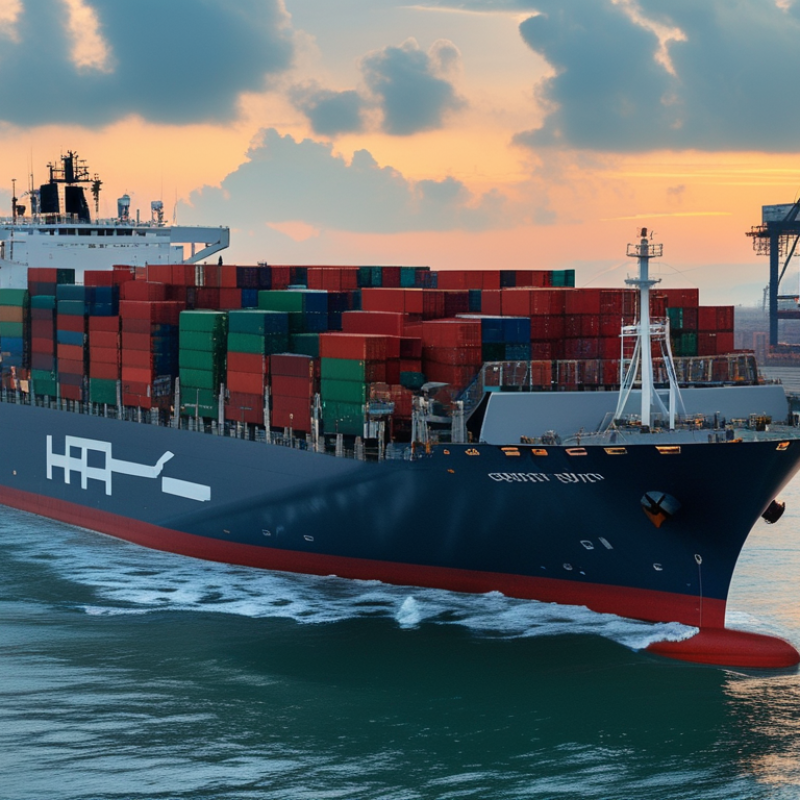
Why Does Sea Freight Take Longer Than Air Freight?

Understanding the Modes of Transportation: Sea vs. Air Freight

When it comes to transportation, sea and air freight offer distinct advantages and challenges. Sea freight involves large ships that carry sizable containers across oceans. This method benefits businesses with high-volume shipments. However, it comes with a slower transit time. A typical sea journey can take weeks, depending on routes and port operations. Weather conditions and port congestion can delay shipments further.

In contrast, air freight is much faster. Planes can transport goods internationally in a matter of days. This speed is vital for time-sensitive products, like electronics or perishable items. Yet, air freight often has higher costs. Not every business can afford these prices, especially when shipping large quantities.

Each method has its place. Companies weigh options based on urgency and budget. While air freight shines in efficiency, it's essential to consider sustainability. The environmental footprint of air cargo is significant. As logistics evolves, finding balance in transportation choices remains crucial for businesses and the planet.

Comparison of Sea and Air Freight Transit Times

This chart illustrates the average transit times for sea freight and air freight. Sea freight typically takes around 30 days, while air freight takes about 5 days, highlighting the substantial difference in delivery times between these two modes of transportation.

Average Transit Times: Sea Freight vs. Air Freight Comparison

Sea freight generally takes longer than air freight due to several factors. One major reason is the mode of transport itself. Ships travel across oceans, taking days or even weeks, while planes can cover those distances in hours. Average transit times for sea freight may span from 20 to 40 days, depending on the route. In contrast, air freight averages about 1 to 5 days. This significant difference dramatically affects shipment planning.

Port handling adds another layer to sea freight delays. Loading and unloading at ports can create bottlenecks. Ships often wait for berth availability. In peak seasons, this can lead to extended transit times. Furthermore, sea freight is more susceptible to weather-related disruptions. Storms and heavy winds can force ships to reroute or delay. These conditions don’t usually affect air shipments as they can easily navigate around bad weather.

Despite its longer transit time, sea freight typically offers cost advantages for larger shipments. Businesses often face a choice: speed or cost. While air freight is faster, it comes at a premium. This trade-off means companies weigh their urgency against their budget. Understanding these dynamics is essential for efficient logistics planning.

Factors Contributing to Longer Sea Freight Times

Sea freight is significantly slower than air freight due to various contributing factors. One major aspect is the journey length. Ships typically cover greater distances at lower speeds. Ocean vessels sail at an average speed of 15-20 knots, compared to aircraft traveling at around 500-600 knots. This difference is stark when transporting goods over long distances.

Port operations also play a critical role. Loading and unloading cargo on ships takes time. According to the International Maritime Organization, a large container ship can take several hours in port due to complex procedures. Customs inspections and compliance checks further add delays. In contrast, air cargo facilities generally process shipments faster, reducing wait times.

Weather conditions can delay sea freight as well. Rough seas or storms may force vessels to alter routes or delay departures. The World Shipping Council reports that weather-related delays can extend shipping times by weeks. These factors, combined with the inherent scale of shipping operations, result in longer delivery times for sea freight compared to air transport.

Impact of Distance and Shipping Routes on Sea Freight Delays

When comparing sea freight and air freight, distance plays a crucial role. Sea freight typically covers longer distances. When ships travel, they follow specific routes. These routes can sometimes be indirect, adding to travel time. Additionally, ocean currents and weather can impact a vessel's speed. Ships do not travel as fast as planes, leading to longer delivery times.

Shipping routes significantly affect transit times. Ports might have high traffic, causing delays. Loading and unloading of cargo at ports can be slow. It's vital for businesses to anticipate these delays. Understanding the route taken by a vessel can help in planning. This is especially important for perishable goods.

Tips: Choose direct routes whenever possible. This can reduce transit times. Monitor port conditions and traffic reports. Staying informed will help manage expectations. Planning ahead can make a big difference in logistics.

Cost Considerations: Sea Freight Efficiency vs. Air Freight Speed

Air freight is known for its speed. It can deliver goods within hours. However, this speed comes at a cost. According to industry reports, air freight costs can be five to ten times higher than sea freight. This significant difference influences many businesses when they plan shipping logistics.

Sea freight, while slower, often provides better cost efficiency. A recent study by the International Maritime Organization highlighted that sea freight is more optimal for bulk shipments. The shipping industry sends around 90% of all goods by volume. Businesses that prioritize cost over speed see advantages when utilizing sea freight for larger shipments. However, slow transit times can lead to lost sales opportunities.

Tip 1: Consider your delivery timeline. If your goods are time-sensitive, air freight may be the only option.

Transportation methods must be evaluated carefully. The choice between sea and air freight should focus on priorities—cost efficiency or time. In some cases, a mix of both might be the best solution.

Tip 2: Use tracking tools for better visibility. This ensures that you stay informed, regardless of the mode of transport chosen.

FAQS

: How does transit time differ between sea freight and air freight?

: Sea freight takes 20 to 40 days, while air freight averages 1 to 5 days.

What causes delays in sea freight?

Delays can occur due to port handling, high traffic, and weather conditions.

Why is sea freight generally more cost-effective for larger shipments?

Sea freight offers better rates despite its longer transit time, especially for bulk items.

Are there specific conditions that affect sea freight travel speed?

Yes, ocean currents and weather can slow ships down compared to planes.

How can businesses manage expectations for sea freight transit times?

Understanding routes, monitoring port conditions, and planning ahead are key strategies.

Can shipping routes impact delivery times?

Yes, indirect routes and port traffic can lead to increased delivery times for sea freight.

What should businesses consider when choosing a shipping method?

Evaluate whether cost or speed is more important for your shipments.

How can technology assist in shipping logistics?

Use tracking tools to gain visibility over shipment status and manage logistics effectively.

What can happen if transit times for sea freight are too long?

Delayed shipments can lead to lost sales opportunities for businesses.

Is there a middle ground between sea and air freight options?

Yes, a combination of both methods might suit different shipping needs effectively.

Conclusion

The article "Why Does Sea Freight Take Longer Than Air Freight?" explores the fundamental differences between these two modes of transportation. Sea freight typically experiences longer transit times compared to air freight, primarily due to the nature of shipping routes and distances involved. While air freight can quickly transport goods across long distances, sea freight is affected by factors such as port congestion, loading and unloading processes, and varying weather conditions that can delay shipments.

Additionally, the article discusses the cost implications of these modes. Sea freight, despite its slower pace, often comes with lower shipping costs, making it a more efficient option for bulk cargo. Understanding these dynamics helps businesses make informed decisions about their shipping needs, balancing speed against cost-effectiveness. Ultimately, the question "Why does sea freight take longer than air freight?" is answered through an examination of the logistical complexities and operational differences inherent in maritime transport.

Charlotte

Charlotte

Charlotte is a seasoned marketing professional with a deep understanding of the company's portfolio and a passion for elevating its presence in the market. With a keen eye for detail and a commitment to excellence, she ensures that our professional blog is regularly updated with insightful articles......