How to Explain Why Sea Freight Takes Longer than Airfreight?

Time:2026-05-03 Author:Aria
0%

When considering shipping options, one question often arises: "Why does sea freight take longer than airfreight?" This fundamental inquiry opens the door to understanding the intricacies of logistics. Sea freight relies on large vessels that travel at slower speeds. In contrast, airfreight uses fast-moving planes, which reduce delivery times significantly.

Delays in sea freight can stem from several factors. Weather conditions greatly impact ocean travel. Ports may also face congestion, causing further interruptions. Additionally, the loading and unloading processes for cargo ships are time-intensive, unlike the quicker turnaround times associated with airplanes.

It is essential to appreciate the trade-offs involved in these shipping methods. While sea freight is more cost-effective for larger volumes, the time commitment is considerable. This distinction creates a complex logistic landscape that businesses must navigate, balancing efficiency with budget considerations. Reflecting on these differences can aid in making informed shipping decisions.
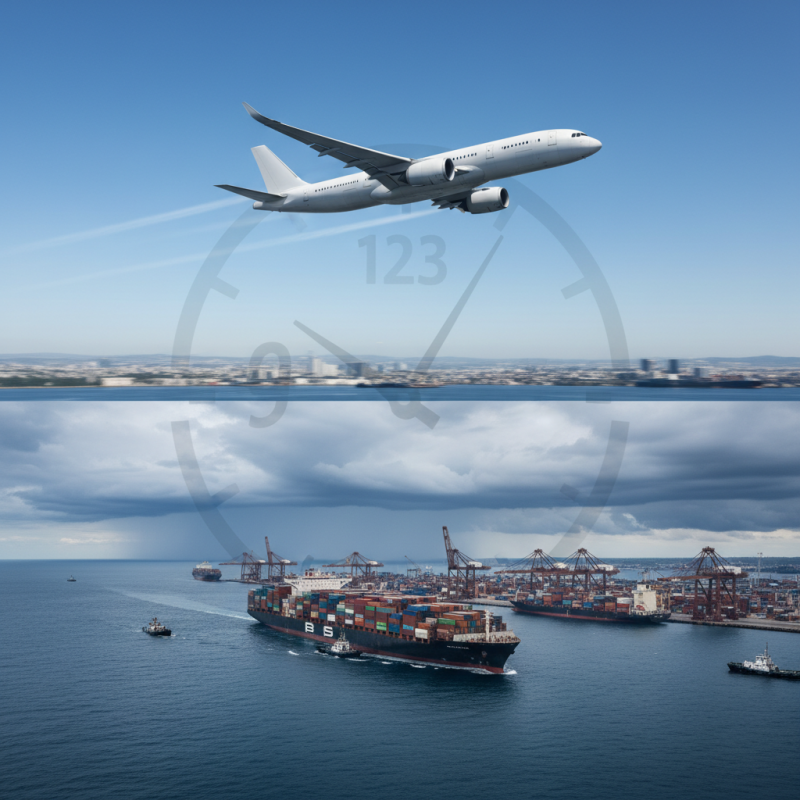
How to Explain Why Sea Freight Takes Longer than Airfreight?

Factors Affecting Transit Time in Sea Freight vs. Airfreight

When considering shipping options, sea freight and airfreight have distinct differences in transit times. The average sea freight transit time can range from 20 to 40 days, while airfreight typically takes only 1 to 5 days. This significant disparity is influenced by several factors.

Firstly, the speed of transport modes plays a crucial role. Airplanes travel directly to destinations, avoiding many logistical hurdles. In contrast, sea freight involves multiple port calls and customs clearances, extending delivery times. According to industry data, over 80% of global goods are transported by sea, indicating the reliance on this slower method for large volumes.

Weather conditions can also impact sea freight. Unpredictable storms may delay ships, adding days to delivery schedules. Additionally, ports can experience congestion, particularly during peak seasons. A report from the International Maritime Organization highlights that delays at ports can increase transit times by 15% during the busy months.

Tips for managing expectations include planning ahead and considering the specific timelines required for your shipments. Evaluate your inventory and choose shipping methods that align with your deadlines. More efficient supply chain management can help avoid last-minute rushes.

Another crucial aspect is understanding seasonality. Certain times of the year see increased shipping demands, which can exacerbate delays. Being aware of these trends allows for better traffic management and planning.

By recognizing these transit factors, businesses can make informed decisions on freight options, ensuring smooth operations.

The Process of Sea Freight Transportation Explained

Sea freight transportation involves a complex series of steps. Cargo is typically loaded onto large vessels designed to carry substantial amounts. Each ship has specific routes, which can lead to longer transit times. Once goods are packed, they must be transported to the port. This means additional logistical coordination.

After reaching the port, containers go through customs clearance. This process can take time, especially if documentation is incomplete. Once cleared, the cargo awaits loading onto the vessel. Depending on the shipping schedule, this might not happen immediately.

In contrast, airfreight is more direct. Planes operate on tight schedules, allowing for quicker deliveries. However, sea freight offers a cost-effective solution for bulk shipments. While waiting might feel frustrating, understanding these processes highlights why sea freight takes longer. Recognizing these factors can enhance planning and expectations in logistics.

How to Explain Why Sea Freight Takes Longer than Airfreight? - The Process of Sea Freight Transportation Explained

Factor Sea Freight Air Freight
Transit Time 2-6 weeks 1-5 days
Cost Lower Higher
Cargo Capacity Very High Limited
Environmental Impact Lower per ton-mile Higher per ton-mile
Port Limitations Requires seaports Can use airports
Weather Dependency More affected by weather Less affected by weather

Understanding Airfreight Speed Advantages and Limitations

Airfreight has distinct advantages when it comes to speed. It can move goods from one airport to another in hours, unlike sea freight, which might take weeks. This speed is crucial for perishable items. For example, fresh flowers shipped via air can reach distant markets quickly. This rapid transit helps businesses respond to demand efficiently.

However, airfreight isn’t without limitations. Costs are significantly higher compared to sea freight. Smaller shipments may not justify those expenses. Furthermore, air cargo is limited to lighter goods and smaller volumes. Heavier items or bulk shipments are usually better suited for sea transport. The environmental impact of air travel is also a rising concern. Reducing carbon footprints is important for many companies today.

Understanding these nuances helps businesses choose the right shipping method. Evaluating time versus cost is essential. Companies must consider their specific needs and the nature of their products. Balancing speed and efficiency often requires careful planning and strategy. The goal should be to meet customer expectations while managing expenses and sustainability.

Impact of Distance and Routes on Sea and Air Transport Times

When comparing sea freight and air freight, distance accounts for significant differences in delivery times. Sea freight typically covers longer distances, taking weeks to complete shipments. In contrast, air freight can deliver packages in days. According to industry reports, sea freight journeys may span 10,000 miles or more, while air transport often limits routes to a few thousand miles.

Routes also play a critical role. Ships navigate with less regard for direct paths due to maritime laws and geographical limitations. In many cases, vessels must follow established shipping lanes. These factors create additional delays. On the other hand, airplanes can take more direct routes, minimizing transit times. Statistics show that sea freight can take up to 30 times longer than air freight, making it essential to consider these elements when planning shipments.

Tip: When deciding between sea and air freight, evaluate your delivery timeline. If time sensitivity is crucial, prioritize air freight.

Tip: Always consider the cost. Sea freight usually offers lower shipping rates, making it suitable for larger, less time-sensitive shipments.

Managing expectations is important. While air freight is faster, it might not always be affordable. Balancing cost and time is key to efficient logistics decisions.

Cost Considerations and Their Relation to Transportation Speed

When comparing sea freight and airfreight, cost is a primary factor. Sea freight is usually cheaper than airfreight. This cost difference is mainly due to the slower speed of sea transport. Ships carry larger cargo loads, which helps minimize costs. However, this does not come without its drawbacks. Businesses balancing speed and cost must carefully consider their unique needs.

Transportation speed influences inventory management. Companies with tight deadlines often prefer airfreight, despite its higher price. This choice can be justified when time-sensitive goods are at stake. Conversely, companies with flexible timelines may benefit from sea freight. Choosing sea freight allows them to allocate funds toward other operational areas.

It's important to reflect on the trade-offs involved. Choosing the wrong mode of transport can lead to delays or increased costs. If a company prioritizes savings over speed, it may face unexpected challenges. Understanding each transport method's strengths and weaknesses is crucial for effective logistics planning. A thoughtful approach is necessary to avoid pitfalls and make informed decisions.

FAQS

: What is sea freight transportation?

: Sea freight involves loading cargo onto large vessels designed for carrying substantial amounts of goods.

How does the loading process work?

Cargo must be transported to a port for loading onto a vessel, which requires careful logistical coordination.

What happens during customs clearance?

Once at the port, containers go through customs, a process that can take time, especially with incomplete documentation.

Why does sea freight take longer than airfreight?

Sea freight takes longer due to shipping schedules and longer transit times compared to air transport, which is more direct.

What are the advantages of airfreight?

Airfreight offers speed, moving goods quickly between airports, which is essential for items like perishable goods.

Are there limitations to using airfreight?

Yes, costs are higher than sea freight, and air cargo typically has weight and volume limitations.

How do environmental concerns affect airfreight?

The environmental impact of air travel is significant, prompting companies to consider reducing their carbon footprints.

What should companies consider when choosing a shipping method?

Businesses must evaluate the balance of time versus cost while considering product nature and customer expectations.

Can smaller shipments use airfreight effectively?

Smaller shipments may not justify the higher costs of airfreight compared to sea freight options.

Why is careful planning essential in logistics?

Companies must plan to balance efficiency, customer needs, and costs, especially when selecting between air and sea freight.

Conclusion

When considering the question, "Why does sea freight take longer than airfreight," several key factors come into play. Sea freight transportation involves a complex process that includes loading, unloading, and customs clearance, often resulting in longer transit times. Additionally, the inherent nature of maritime routes, which are impacted by weather and logistical challenges, further contributes to delays.

In contrast, airfreight benefits from speed advantages due to direct routes and shorter travel times, although it may be limited by factors such as cargo capacity and cost. The distance and specific routes taken by ships can significantly affect delivery speed, making sea freight a slower option. Ultimately, while cost considerations often favor sea freight, the trade-off is a longer shipping duration compared to the faster airfreight method.

Aria

Aria

Aria is a dedicated marketing professional with a deep passion for innovative strategies and a keen understanding of our company's product offerings. With a wealth of experience in the industry, Aria excels at crafting engaging content that highlights the unique features and benefits of our......