 NoviLink Logistics
Premium Industrial & Logistics Solutions
-
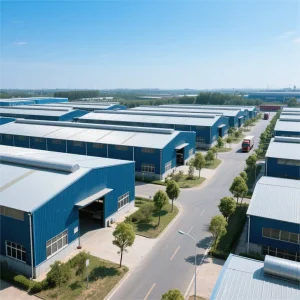 Durable Steel Prefabricated Warehouse for Efficient Industry Storage
-
 Sea + Rail Freight From Shanghai to Kostroma
-
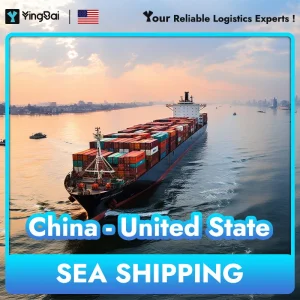 Sea Shipping Sea Freight From China to The United States DDP USA Logistics
-
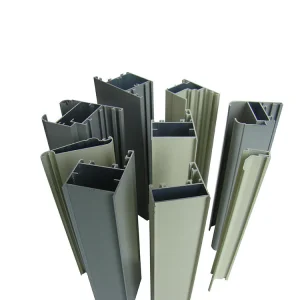 Premium Aluminum Extrusions for Global Supply Chain Solutions
-
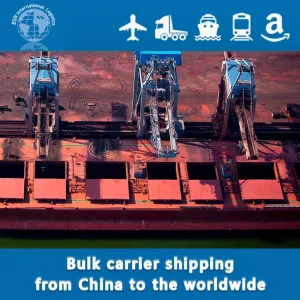 Swift Delivery Professional International Bulk Cargo Freight Forwarding Services From China to The Netherlands/Belgium/
-
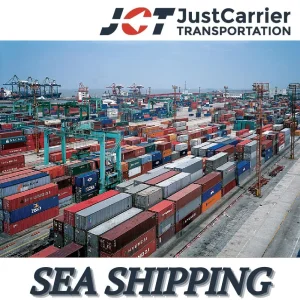 DDU/DDP/to Door/Container Shipping Agent Ocean Freight to Halifax, Canada
-
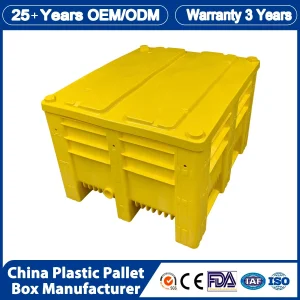 Customizable Size Pallet Container 1200X1000X1140mm for Agri-Tech with GPS Tracking
-
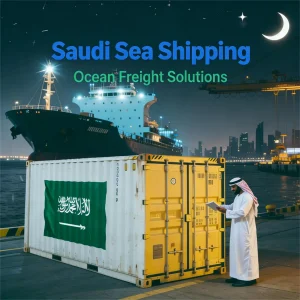 Ontask Saudi LCL Sea Freight, Less Than Container Load
The Paradigm Shift in Global Cross-Docking Operations
In the contemporary era of "Just-in-Time" manufacturing and the relentless pace of global e-commerce, Cross-Docking Operations have transcended from a mere logistical convenience to a critical strategic imperative. By eliminating the traditional "warehousing" phase and moving goods directly from receiving to shipping, enterprises can drastically reduce lead times, minimize storage costs, and improve inventory turnover ratios.
Today’s cross-docking is no longer just about forklifts and pallets; it is a symphony of AI-driven sorting, modular prefabricated infrastructure, and multi-modal connectivity. From the high-tech manufacturing hubs in Shenzhen to the expansive distribution networks in North America and the Middle East, the ability to synchronize incoming and outgoing freight is the hallmark of a world-class supply chain.
The Global Business & Industrial Landscape
Infrastructure Manufacturers
Providers of high-durability steel prefabricated warehouses (like those seen in our product list) are essential. They provide the "skeleton" of the cross-docking operation, allowing for rapid deployment of facilities in strategic transit hubs.
Automation Suppliers
Conveyor belt manufacturers and robotic sorting system providers are the "muscles." Stainless steel wire mesh belts and automated parcel lockers represent the cutting edge of hands-free logistics.
Global Freight Forwarders
The "nervous system" of the operation. Specialists in Sea+Rail (China to Russia) or DDP (China to USA) logistics ensure that the cross-docked goods actually have somewhere to go without customs friction.
Why China Factories Lead in Efficiency
The "China Advantage" in the cross-docking sector is multifaceted. It isn't just about lower labor costs; it's about Industrial Clustering. Within a 50km radius in regions like Shenzhen, a manufacturer can source high-grade aluminum extrusions, GPS-tracking food-grade pallets, and 8kVA backup generators—all necessary components for a resilient cross-docking hub.
Furthermore, Chinese manufacturers have pioneered the integration of IoT and QR code access into standard logistics equipment, such as HDPE pallet storage boxes. This level of "Smart Hardware" allows for real-time visibility that traditional manufacturers struggle to match at scale.
Featured Authority: Shenzhen NoviLink Logistics Co., Ltd.
Shenzhen NoviLink Logistics Co., Ltd. is a leading global logistics provider specializing in airfreight, sea freight, and both LCL and FCL shipping solutions. Founded in 2010 in Shenzhen, China, NoviLink began as a small freight forwarding company focused on cross-border e-commerce shipments. Over the past decade, the company has grown into a full-service logistics and supply chain expert, serving clients across Asia, Europe, and North America under its flagship brand NoviLink.
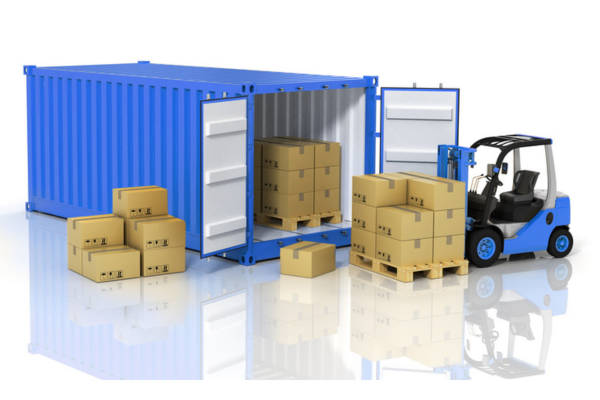
From its early days of handling small-scale shipments, NoviLink quickly expanded its operations to include express air cargo, ocean freight, customs clearance, and multi-modal transportation. By integrating cutting-edge logistics management systems, warehouse automation, and real-time tracking, the company provides seamless, reliable, and cost-effective shipping solutions tailored to both businesses and e-commerce sellers.
NoviLink’s service portfolio now covers cold chain logistics, inventory management, last-mile delivery, and freight insurance, ensuring goods are transported safely and efficiently worldwide. The company’s dedicated team of logistics professionals combines decades of experience with innovative supply chain strategies, helping clients optimize shipping routes, reduce costs, and improve overall operational efficiency.
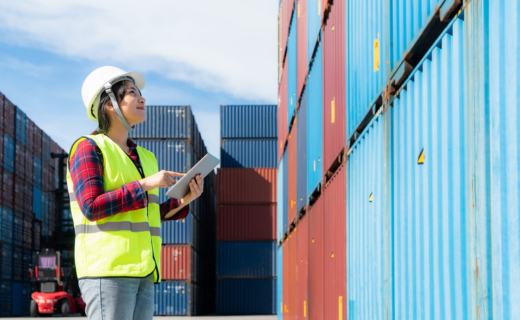
Committed to sustainability, efficiency, and customer satisfaction, Shenzhen NoviLink Logistics Co., Ltd. continues to set industry standards for global freight solutions. Through its comprehensive air and sea freight services, NoviLink empowers businesses to expand internationally, delivering excellence at every step of the supply chain.
Localized Application Scenarios & Global Trends
The Middle East Hub
In Saudi Arabia, "Last-Mile Delivery" combined with cross-docking is booming. Local logistics nodes use fast shipping protocols to distribute consumer electronics and perishables within hours of arrival at ports like Dammam.
The Russian Silk Road
Sea + Rail freight from Shanghai to Kostroma represents a masterclass in cross-docking efficiency. Containers are moved from ships to rail cars with zero downtime, bypassing traditional storage delays.
North American Retail
Major US retailers utilize DDP (Delivered Duty Paid) Sea Freight to move bulk inventory directly to regional cross-docking centers, feeding store shelves faster than the "Warehouse-to-Store" model.
Future Industry Trends
- Green Cross-Docking: Implementation of electric forklifts (like the Heli K30 Diesel alternatives) and solar-powered prefab warehouses.
- Big Data Synchronization: Predictive analytics to forecast when "Ship A" will arrive so "Truck B" is already at the dock.
- Blockchain Security: Tracking high-value cargo through DDU/DDP stages with immutable digital ledgers.
Expert Q&A: Navigating Cross-Docking Complexity
1. What is the primary difference between traditional warehousing and cross-docking?
Traditional warehousing involves storing goods for weeks or months (Long-term storage). Cross-docking is a flow-through process where goods spend less than 24 hours in the facility, moving directly from inbound to outbound transportation.
2. Can prefabricated steel warehouses handle heavy-duty cross-docking?
Absolutely. Modern steel prefabricated industrial buildings are designed with clear-span interiors to allow for maximum forklift maneuverability and heavy conveyor installations, making them ideal for high-throughput operations.
3. How does "Last-Mile" integration affect cross-docking?
Cross-docking is the heart of last-mile success. By breaking down large LCL (Less than Container Load) shipments into small parcel deliveries at a local cross-dock center, companies can achieve "same-day" delivery windows in urban areas like Halifax or Riyadh.
4. Why is DDP shipping preferred for international cross-docking?
DDP (Delivered Duty Paid) minimizes delays. When customs and duties are pre-handled, the freight can move directly from the port to the cross-docking terminal without being held in a bonded warehouse.
Essential Equipment & Strategic Logistics
-
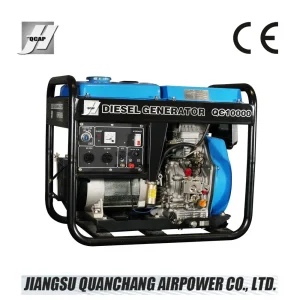 Powerful 8kVA Open Frame Diesel Generator for Emergency Backup
-
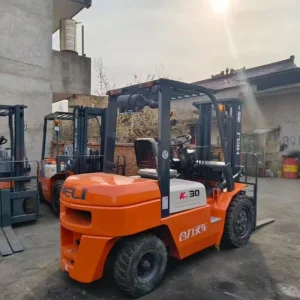 High Quality Second Hand Heli K30 3 Ton Diesel Forklift
-
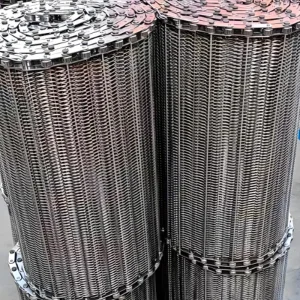 Wholesale Stainless Steel Wire Mesh Belt Chain Conveyor
-
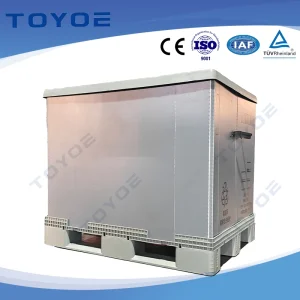 Last-Mile Delivery Storage Bin HDPE Pallets with QR Access
-
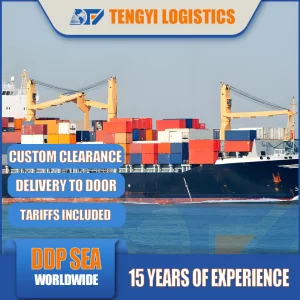 DDP Shipping From China to Russia Customs Clearance Sea Freight
-
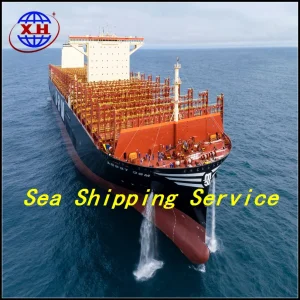 FCL LCL 20 Gp 40gp 40hq Container Sea Freight to USA
-
 Trustworthy Express Air Freight Services From China to Benin
-
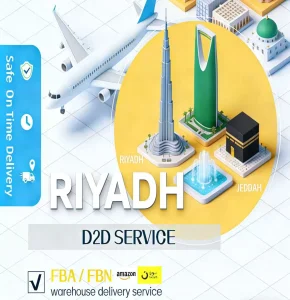 Saudi Last-Mile Delivery - Fast Local Shipping Solutions