NoviLink Logistics
Innovative Hardware & Global Logistics Solutions
Direct access to our flagship transit routes, logistics agents, and industrial processing tech.
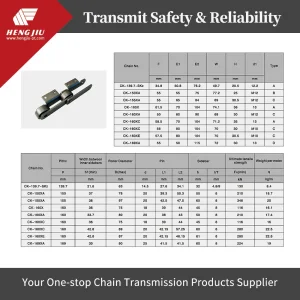
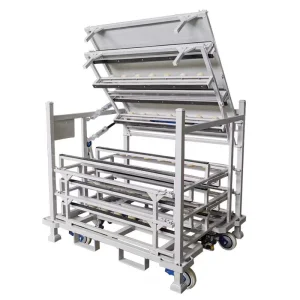
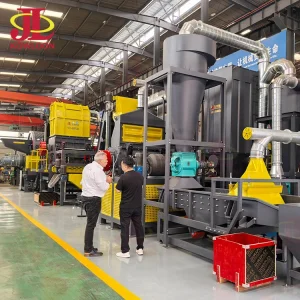
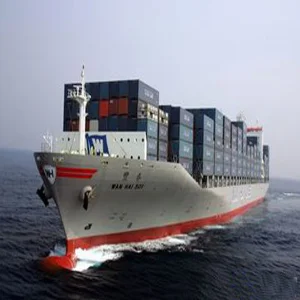
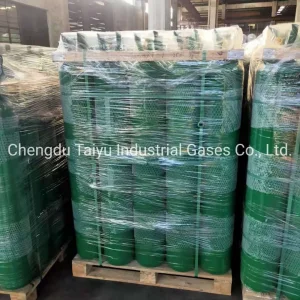
Our Legacy: Shenzhen NoviLink Logistics Co., Ltd.
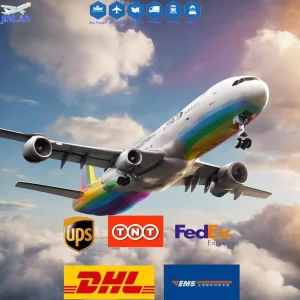
Shenzhen NoviLink Logistics Co., Ltd. is a leading global logistics provider specializing in airfreight, sea freight, and both LCL and FCL shipping solutions. Founded in 2010 in Shenzhen, China, NoviLink began as a small freight forwarding company focused on cross-border e-commerce shipments. Over the past decade, the company has grown into a full-service logistics and supply chain expert, serving clients across Asia, Europe, and North America under its flagship brand NoviLink.
From its early days of handling small-scale shipments, NoviLink quickly expanded its operations to include express air cargo, ocean freight, customs clearance, and multi-modal transportation. By integrating cutting-edge logistics management systems, warehouse automation, and real-time tracking, the company provides seamless, reliable, and cost-effective shipping solutions tailored to both businesses and e-commerce sellers.
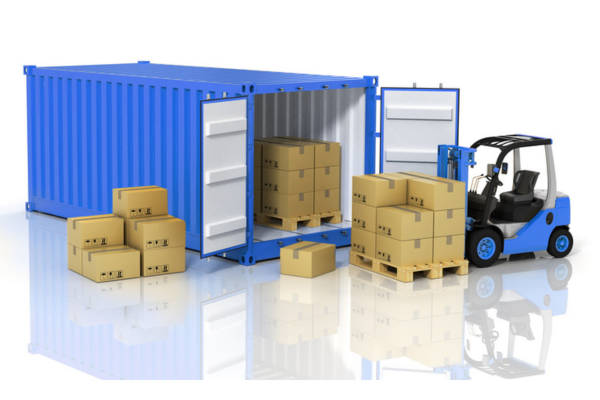
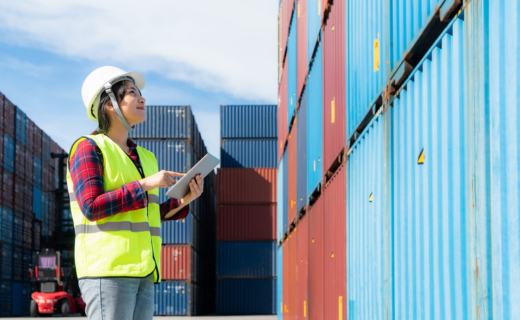
NoviLink’s service portfolio now covers cold chain logistics, inventory management, last-mile delivery, and freight insurance, ensuring goods are transported safely and efficiently worldwide. The company’s dedicated team of logistics professionals combines decades of experience with innovative supply chain strategies, helping clients optimize shipping routes, reduce costs, and improve overall operational efficiency.
Committed to sustainability, efficiency, and customer satisfaction, Shenzhen NoviLink Logistics Co., Ltd. continues to set industry standards for global freight solutions. Through its comprehensive air and sea freight services, NoviLink empowers businesses to expand internationally, delivering excellence at every step of the supply chain.
"Seamless delivery is not just about the distance covered; it is about the structural alignment of custom hardware, cloud tracking systems, and robust multi-modal transit networks."
Last-Mile Technology: The Engine of Modern Trade
A technical examination of physical structures, IoT networks, and smart automation.
Understanding the Modern Last-Mile Conundrum
The "last mile" represents the final leg of a product's journey from a distribution hub or local fulfillment center to its end destination. Despite representing a fraction of the total geographical distance, last-mile logistics accounts for upwards of 53% of total shipping costs. This inefficiency stems from urban traffic congestion, fragmented delivery points, and the high rate of failed delivery attempts.
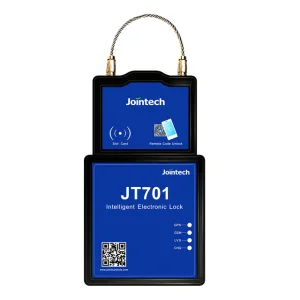
To mitigate these factors, modern exporters are moving beyond basic cargo shipping to export integrated *Last Mile Technology*. This ecosystem encompasses physical storage infrastructure (such as mobile custom warehouse racks), hardware handling automation (including stainless steel flat-top chain conveyors), and state-of-the-art telemetry (like satellite-enabled GPS truck tracking locks).
The Shift to Smart Warehousing and Hardware Integration
Efficient delivery cannot occur without responsive upstream sorting. Modern warehouse management systems (WMS) rely heavily on durable conveyor chains to move food, beverage, and delicate components through high-speed sorting lanes. When integrated with heavy-duty mobile racks, facilities can dynamically allocate space for high-end and sophisticated goods, facilitating rapid dispatch and reducing loading bottlenecks from hours to minutes.
Technical Roadmap & Future Outlook (2025-2030)
Charting the integration of AI, autonomous networks, and hardware resilience.
IoT & Telematics Integration
By embedding GPS container padlocks and cellular-broadcasting data systems directly into shipping units, logistic partners can monitor temperature, moisture, and tamper attempts in real-time. This eliminates shipment blackouts over international waters and rural corridors.
Autonomous Delivery Routing
AI algorithms are moving past simple static routing. Dynamic routing engines continuously recalculate delivery paths in response to sudden atmospheric shifts, customs queues, and urban density patterns, generating significant carbon emission reductions.
Circular Economy Support
Sustainable operations require closing the loop on physical waste. Converting scrap tires into fine rubber powder using automated processing machinery allows logistics fleets to procure retreaded tires and soundproofed dock layouts, driving down operational costs.
China Industry 4.0 Infrastructure
High-Capacity Fabrication, Smart Logistics Integration, and Material Optimization
China Industry 4.0: Strengthening Global Supply Chain Resilience
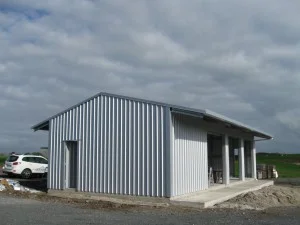
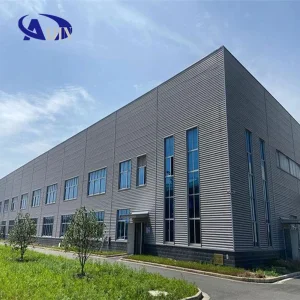
As a global nexus of industrial manufacturing and technological execution, China has advanced beyond basic piece-rate output. By coupling heavy engineering (e.g., modular steel warehouses, distribution structures, and structural gas filling stations) with electronic telematics, the country provides the global logistics industry with a highly resilient end-to-end framework.
NoviLink capitalizes on this unique manufacturing ecosystem. By anchoring operations in Shenzhen, we bridge the gap between high-precision machinery fabricators, advanced software design teams, and efficient deep-water ocean cargo docks. This synergistic approach allows enterprises to obtain structural physical plant systems and delicate tracking hardware concurrently, resulting in streamlined deployment times.
Furthermore, this infrastructure helps mitigate global disruption risks. By establishing a direct, transparent channel from automated production lines in China to distribution networks in the Americas, Europe, and Oceania, we secure predictable component flows and stable pricing metrics.
Global Enterprise Solutions Matrix
Mapping high-level organizational requirements to physical hardware and transit systems.
| Operational Requirement | Primary Challenge | Integrated Tech Solution | Strategic Business Outcome |
|---|---|---|---|
| Cold Chain Security | Temperature fluctuations, perishability, and dynamic border routing delays. | Durable stainless steel conveyor chains + Custom air/sea express routes. | Minimal product loss, direct compliance with cold storage standards. |
| High-Value Cargo Tracking | High transit risk, unauthorized container entry, and route deviations. | Satellite GPS door locks & real-time telematics platforms. | Elimination of tracking blind spots, reduced insurance premiums. |
| Rapid Fulfillment Warehousing | Limited floor space, picking delays, and unstructured inventory management. | Heavy-duty custom mobile racks + Modular steel warehouses. | Up to 40% increase in storage capacity, streamlined last-mile sorting. |
| Eco-Friendly Logistics Operations | Carbon penalties, high shipping costs, and rubber waste disposal. | Automated tire recycling systems for raw rubber powder conversion. | Compliance with ESG guidelines, generation of recycled processing materials. |
Local Compliance & Regulatory Standards
Navigating cross-border trade requires compliance with a complex array of local standards, safety codes, and environmental regulations. From the strict guidelines governing chemical raw materials (like high-quality DME Gas) to safety certifications for automated assembly lines, non-compliance can result in severe port delays and costly penalties.
NoviLink guarantees complete regulatory alignment. We ensure that our infrastructure exports—including steel prefabricated structures and recycling machinery—conform to domestic and international standards (such as CE, ISO, and local municipal structural codes). By doing so, we guarantee frictionless customs clearance, minimal port dwell time, and immediate deployment capabilities upon arrival.
"Compliance is not merely a legal hurdle; it is the foundation of operational reliability and long-term brand equity in global logistics."
Targeted Market Support Structures
- North American Corridors (US, Canada, Mexico): Direct alignment with FMC guidelines, customs bonds management, and structured FBA warehouse deliveries.
- European Union Networks: Adherence to strict environmental directives, CE markings for industrial machinery, and comprehensive DDP processing options.
- Middle Eastern & Emerging Routes: Fast-tracked air transit pathways complying with local customs requirements across the Levant and GCC regions.
Frequently Asked Questions (FAQ)
Addressing core inquiries regarding logistics technologies, warehousing, and trade channels.
Additional Logistics Infrastructure & Transit Solutions
Explore our secondary tier of transit services, industrial components, and hardware.