NoviLink Logistics
Custom Engineering & Intermodal Logistics Portfolio
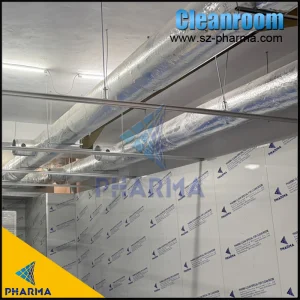
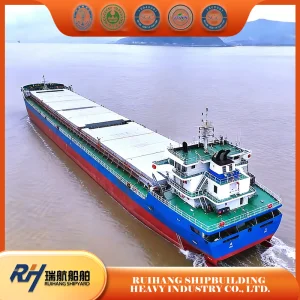
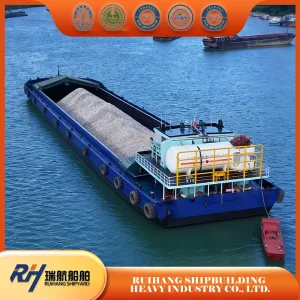
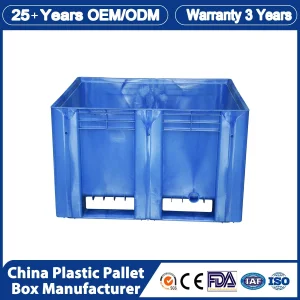
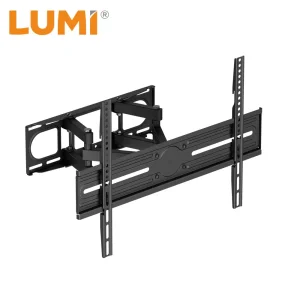
Explore our integrated solutions, spanning critical manufacturing technologies, custom display assets, and advanced marine/inland transport vehicles designed for high-capacity multi-modal transfer.
13 Years of Resolute Evolution: Who is Shenzhen NoviLink Logistics?
Shenzhen NoviLink Logistics Co., Ltd. is a leading global logistics provider specializing in airfreight, sea freight, and both LCL and FCL shipping solutions. Founded in 2010 in Shenzhen, China, NoviLink began as a small freight forwarding company focused on cross-border e-commerce shipments. Over the past decade, the company has grown into a full-service logistics and supply chain expert, serving clients across Asia, Europe, and North America under its flagship brand NoviLink.
From its early days of handling small-scale shipments, NoviLink quickly expanded its operations to include express air cargo, ocean freight, customs clearance, and multi-modal transportation. By integrating cutting-edge logistics management systems, warehouse automation, and real-time tracking, the company provides seamless, reliable, and cost-effective shipping solutions tailored to both businesses and e-commerce sellers.
NoviLink’s service portfolio now covers cold chain logistics, inventory management, last-mile delivery, and freight insurance, ensuring goods are transported safely and efficiently worldwide. The company’s dedicated team of logistics professionals combines decades of experience with innovative supply chain strategies, helping clients optimize shipping routes, reduce costs, and improve overall operational efficiency.
The Paradigm Shift: Global Commercial & Industrial Logistics
The modern industrial supply chain is no longer linear. Geopolitical shifts, changing trade tariffs, decarbonization targets, and the rise of just-in-time (JIT) manufacturing have rendered single-mode transport routes highly vulnerable. As a result, global procurement managers and logistics directors are transitioning rapidly toward Multimodal Freight Forwarding as a mechanism for both cost optimization and risk mitigation.
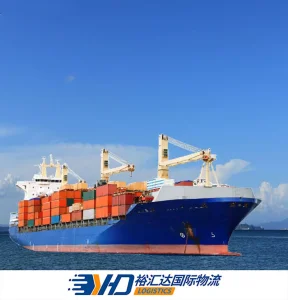
Multimodal transportation—combining maritime, rail, road, and air networks under a single contract—allows organizations to achieve optimal cost-per-ton profiles while avoiding single-point bottlenecks, such as port congestions or rail shutdowns. For instance, moving high-value automotive components, chemical plants, or large-scale retail products requires synchronized transfers that adjust dynamically. As a preeminent global exporter and logistical supplier, NoviLink facilitates this by serving as the Single Contractual Carrier (MTO - Multimodal Transport Operator), absorbing liability and managing compliance documentation across every transition point.
Risk Diversification
Avoid systemic shutdowns by dynamically rerouting cargo from congested sea ports to high-speed rail corridors (such as the China-Europe Express) or regional air hubs.
Capital Optimization
Decrease working capital tied up in slow-moving transit stock by blending ocean freight's low cost with air/road logistics' rapid delivery speeds.
Carbon Reductions
Meet corporate ESG targets by prioritizing electrified rail and modern LNG bulk carriers over standard carbon-heavy long-haul diesel trucking.

China's Manufacturing Hubs & Supply Chain Resilience
Despite diversification trends across Southeast Asia, China's factory ecosystem remains the cornerstone of global manufacturing because of its unmatched depth of supply chain integration. From industrial steel structures to automated farming equipment, China has built specialized cluster cities where components, raw materials, engineering talent, and logistical terminals coexist within a 50-mile radius.
However, pure manufacturing prowess is useless without an outbound logistically resilient corridor. This is where NoviLink’s headquarters in Shenzhen provides a tactical advantage. Nestled inside the Guangdong-Hong Kong-Macao Greater Bay Area (GBA), we tap directly into the world’s densest cluster of deep-water ports (Shenzhen, Guangzhou, Hong Kong) and international airport runways. This proximity ensures that raw materials entering the factories and finished products leaving them move through high-velocity pipelines.
- Raw Material Co-location: Quick access to tooling and steel components minimizes initial assembly delay.
- GBA Transport Hub Integration: Seamless transshipment from barge routes along the Pearl River Delta straight into ocean-going container ports.
- Regulatory Free-Trade Zones: Accelerated customs documentation, tariff deferrals, and automated export clearances in local bonded warehouses.
Localized Multimodal Scenarios: Real-World Case Applications
To understand the practical execution of these networks, let us examine three key localized trade scenarios designed by NoviLink's operations desk to optimize transit time and cost profiles:
1. The Middle East Corridor: China to Dubai (FCL/LCL & DDP)
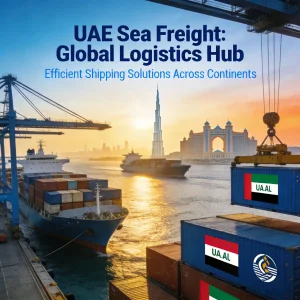
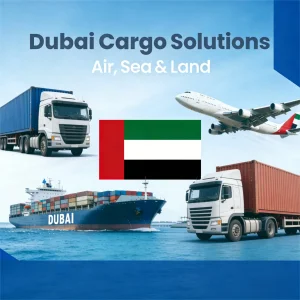
Dubai serves as the commercial gateway to the GCC region. When exporting electronics, machinery, or retail units, standard shipping can take up to 25 days, while direct air freight represents a cost-prohibitive alternative for bulk goods. NoviLink implements a customized Sea-Air multimodal route via Colombo or Singapore, or highly organized direct FCL/LCL ocean transit coupled with in-house customs clearances in Dubai Jebel Ali Free Zone. By managing the final-mile trucking and handling import duties through our DDP services, we reduce administrative hurdles for domestic Middle Eastern buyers, enabling door-to-door deliveries within guaranteed time frames.
2. The European Inland Grid: DDU LCL Consolidation to Spain, Portugal, & France
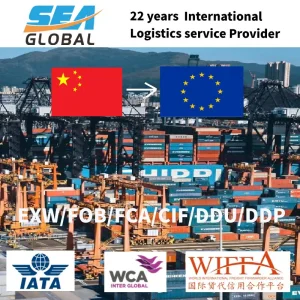
For mid-sized exporters shipping to Western Europe, paying for full container spaces is financially unviable. NoviLink’s DDU LCL Freight Forwarding integrates multiple client shipments at our Shenzhen consolidation hub. From there, containers travel via sea to major ports like Rotterdam or Valencia, where they are destuffed under Customs supervision and immediately loaded onto high-frequency road freight routes covering Spain, Portugal, and France. This method ensures that small-to-medium enterprises access the economies of scale typically reserved for multinational corporations.
3. West Africa Outreach: Fast Cargo Routing to Cape Verde
Shipping to island nations like Cape Verde presents severe logistical challenges due to limited direct oceanic liner calls. NoviLink resolves this bottleneck through structured air and sea-air transshipments. High-priority medical supplies, industrial parts, or telecommunications gear are routed via high-frequency flights to Dakar (Senegal) or Lisbon (Portugal) and subsequently transferred to feeder regional ocean vessels or regional flights. This hybrid logistics structure cuts transit times by 40% compared to traditional direct ocean shipments.
Technological Roadmap: The Future of Smart Freight
As logistics transitions into the digital age, NoviLink is investing in key technological integrations that replace manual communication with automated, real-time tracking, environmental data monitoring, and decentralized record keeping.
IoT Sensors & Smart Tracking
Every dry container and high-value cargo batch can be fitted with multi-sensor IoT modules tracking GPS coordinates, interior humidity, shock impacts, and unauthorized openings.
Gas-Adjusting & Cold Chain Integration
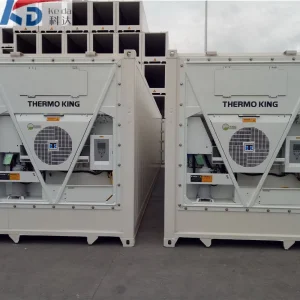
Fresh agricultural exports utilize intelligent gas-adjusting atmospheric containers that slow down decay, ensuring perishable cargo arrives fresh at destination markets.
AI Dispatch & Route Optimization
Our transport management platform analyzes global weather patterns, port delays, and historical customs processing times to autonomously route shipments.
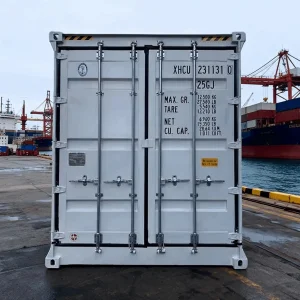
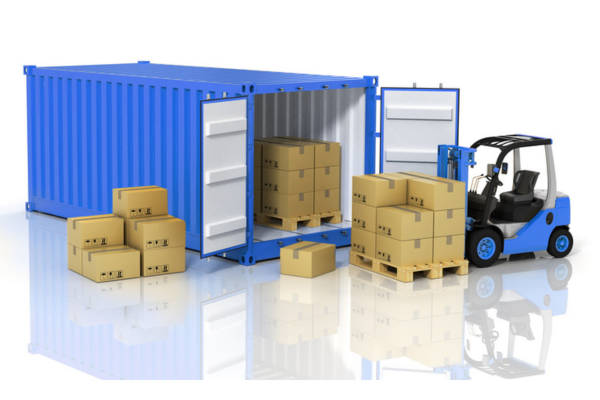
Through our partnership with key container innovators, clients gain access to hardware developments such as Advanced Dry Containers equipped with real-time location sensors and Intelligent Gas-Adjusting Integrated Containers. By matching hardware tracking to a unified control tower, we remove the "black hole" of international shipping, granting our cargo partners complete visual transparency.
Compliance, Risk Control, and Maritime Insurance Framework
A true indicator of a freight forwarder’s E-E-A-T (Experience, Expertise, Authoritativeness, and Trustworthiness) is their handling of regulatory compliance and risk management. NoviLink operates under strict international maritime laws, maintaining active licenses with major global organizations including the FMC (Federal Maritime Commission) and NVOCC (Non-Vessel Operating Common Carrier) frameworks.
Customs laws vary heavily between importing territories. For example, EU import shipments demand compliance with the Import Control System 2 (ICS2) filing protocol, whereas shipments into the United States require precise Importer Security Filings (ISF 10+2). Failure to match HS codes or register classifications accurately results in costly customs holds, storage fees, and potential cargo seizures. NoviLink’s localized brokerage teams pre-audit commercial invoices and packing lists before the cargo ever departs the factory dock.
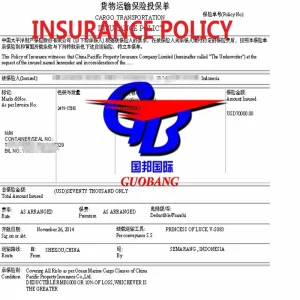
Moreover, global transit routes face unpredictable hazards—ranging from ocean storms to port labor strikes. To secure client balance sheets, we provide complete, structured cargo insurance programs. Underwritten by top-tier global marine insurers, our coverage protects against general average losses, physical damage, and theft, giving exporters peace of mind over high-value capital assets.
Frequently Asked Questions
Get answers to critical inquiries regarding multimodal freight systems, compliance, pricing, and operational capabilities.
Heavy Industrial Equipment & High-Capacity Shipping Services
Discover our range of advanced structural materials, specialized storage systems, and target destination freight services driving modern commerce.