 NoviLink Logistics
Featured Smart Container Solutions
Explore our leading systems engineered for modern infrastructure, cold chain preservation, and logistics monitoring.
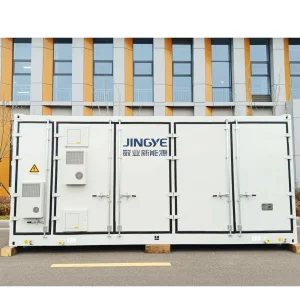
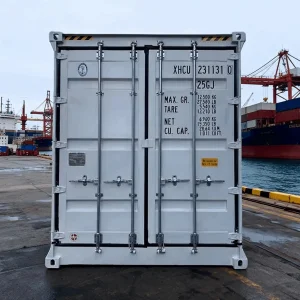

Damascus' Industrial Shift: The Crucial Need for Real-Time Container Tracking
As one of the oldest continuously inhabited cities and a historical cornerstone of Middle Eastern trade, Damascus is entering a critical era of economic revitalization and infrastructure modernization. Situated at the crossroads of key regional routes linking Lebanon, Jordan, Iraq, and the wider Mediterranean Basin, the Damascus industrial zones—particularly around Adra Industrial City—are experiencing a surge in transport volume. With this growth, however, comes the vital need to manage complex transit corridors and secure high-value logistics paths.
In this dynamic trade ecosystem, relying on legacy logistical methodologies is no longer viable. Local and international distributors face issues ranging from border customs delays and extreme temperature swings to fuel tracking anomalies and remote rural connectivity blackspots. Our localized container tracking and monitoring systems address these vulnerabilities by offering continuous, hardware-integrated insights that maintain secure supply chain continuity.
By implementing advanced GPS locks, RFID asset tag networks, and dual-mode cellular/satellite systems, Damascus manufacturers can proactively verify load integrity, mitigate shrinkage, and automate cold-chain documentation for export markets. This level of technical oversight is essential to rebuilding regulatory confidence and meeting compliance standards in international shipping corridors.
Technology Roadmap: Cellular-Satellite Hybrid Telemetry & Edge AI
Modern container monitoring extends far beyond simple GPS pings. Our hardware architecture utilizes a multi-sensor network designed to measure ambient temperature, relative humidity, multi-axis kinetic shock, light intrusion, and barometric pressure. These parameters are processed locally via low-power edge microcontrollers before transmission.
1. Multi-Carrier Hybrid Cellular-Satellite Roaming
Given the variable infrastructure availability across the Levant, tracking units are equipped with intelligent eSIM technology. These chips automatically switch between regional networks (such as Syriatel and MTN) and transition to low-bandwidth satellite networks (such as Iridium or global L-band services) when traversing remote border areas or trans-desert expressways.
2. Cryptographic Tamper-Proof Electronic Seals
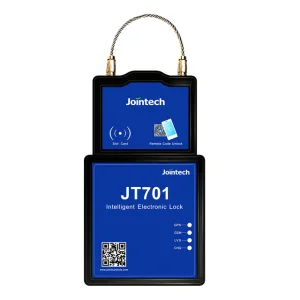
Physical security is reinforced by smart lock mechanisms (such as our Satellite GPS Container Door Lock). These systems generate unique cryptographic tokens upon locking. Any unauthorized mechanical breach, cable-cutting, or geofence deviation triggers an immediate alert via the tracking software, creating a clear chain of custody.
3. Low-Energy Asset Tagging (BLE and Passive RFID)
Within large-scale freight hubs, long-range Bluetooth Low Energy (BLE) and RFID technologies are deployed to monitor individual pallets inside dry steel containers. This allows warehouse systems to auto-populate inventory data, minimizing manual scanning errors and expediting handling at key terminals.
| Tracking Parameter | Sensor Technology | Optimal Damascus Use Case |
|---|---|---|
| Geolocational Precision | GNSS (GPS, GLONASS, Galileo) + LBS | Cross-border logistics and custom clearing points. |
| Thermal Range Monitoring | Digital Silicon Bandgap Sensors (±0.1°C) | Pharmaceutical imports and fresh produce shipping. |
| Intrusion Detection | Visible & Ambient Light Photodiodes | Customs validation & cargo security checks. |
| Dynamic Shock Event Logger | 3-Axis MEMS Accelerometer (±16g range) | Machinery transit and heavy-load iron structures. |
China Factory 4.0: Supply Chain Resilience & Manufacturing Synergy
Our advanced IoT hardware is manufactured in Industry 4.0 facilities in Shenzhen, China. This setup combines cutting-edge production lines with robust, global logistics capabilities to serve Damascus and international hubs effectively.
Shenzhen NoviLink Logistics Co., Ltd.
Shenzhen NoviLink Logistics Co., Ltd. is a leading global logistics provider specializing in airfreight, sea freight, and both LCL and FCL shipping solutions. Founded in 2010 in Shenzhen, China, NoviLink began as a small freight forwarding company focused on cross-border e-commerce shipments. Over the past decade, the company has grown into a full-service logistics and supply chain expert, serving clients across Asia, Europe, and North America under its flagship brand NoviLink.
From its early days of handling small-scale shipments, NoviLink quickly expanded its operations to include express air cargo, ocean freight, customs clearance, and multi-modal transportation. By integrating cutting-edge logistics management systems, warehouse automation, and real-time tracking, the company provides seamless, reliable, and cost-effective shipping solutions tailored to both businesses and e-commerce sellers.
NoviLink’s service portfolio now covers cold chain logistics, inventory management, last-mile delivery, and freight insurance, ensuring goods are transported safely and efficiently worldwide. The company’s dedicated team of logistics professionals combines decades of experience with innovative supply chain strategies, helping clients optimize shipping routes, reduce costs, and improve overall operational efficiency.
Committed to sustainability, efficiency, and customer satisfaction, Shenzhen NoviLink Logistics Co., Ltd. continues to set industry standards for global freight solutions. Through its comprehensive air and sea freight services, NoviLink empowers businesses to expand internationally, delivering excellence at every step of the supply chain.
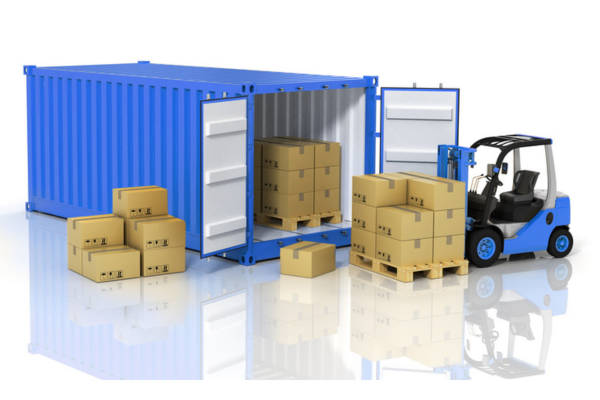

Local Support & Compliance Standards for the Damascus Trade Hub
Operating tracking hardware in Syria and the Levant region requires meeting specific compliance requirements, carrier band alignments, and environmental standards. We ensure our hardware is ready for local deployment through several key measures:
- Frequency Band Optimization: Our trackers support GSM/GPRS/LTE-M frequency modules configured for local and regional telecom systems, ensuring smooth transitions at border crossings.
- Rugged Environmental Engineering: Units are housed in dust-tight, hermetically sealed, IP67 or IP69K casings. This design prevents fine desert sand ingress and protects internal electronics from thermal expansion up to 85°C.
- ATEX & IECEx Intrinsically Safe Certificates: For oil, petrochemical, or compressed gas transports, our intrinsically safe tracking locks and transponders are certified for Zone 0, 1, and 2 hazardous areas.
- Import and Regulatory Compliance: We provide full paperwork support, including certificates of conformity and compliance documentation, to facilitate smooth clearance through customs checkpoints.
Comprehensive Tracking & Smart Container Hardware Catalog
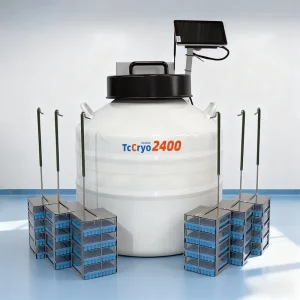
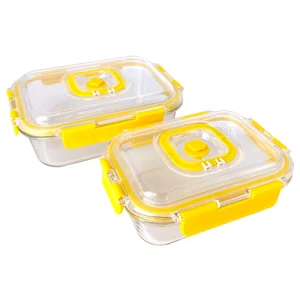
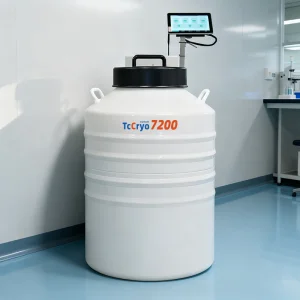
Review our complete line of intelligent cold storage, asset monitors, and custom vacuum tracking equipment.
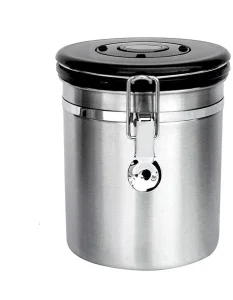
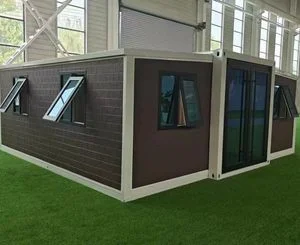
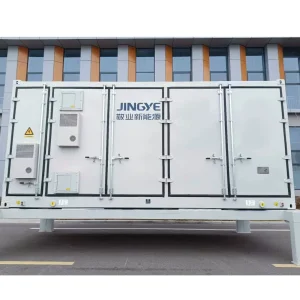
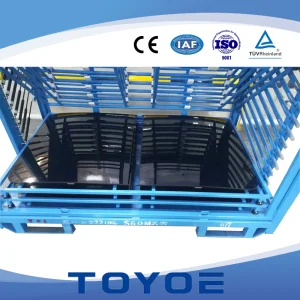
Specialized & Industrial Tracking Equipment

FAQ: Smart Container Tracking & Logistics Inquiries
Find detailed technical answers regarding hardware selection, power systems, software integration, and regional support.
Ready to Secure Your Supply Chain Network?
Get in touch with our engineers today for a custom quote, technical telemetry specifications, or to discuss localization options for your shipping and warehousing operations.
Send Inquiry Now