NoviLink Logistics
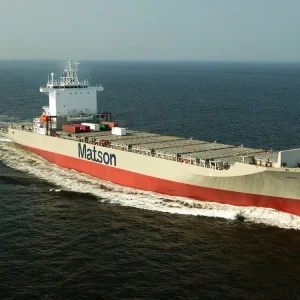
Premium China-to-DR Congo Supply Chain Corridors
Select tailored transport systems engineered to bypass traditional infrastructural blockages in Central Africa.
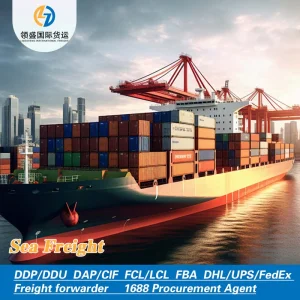
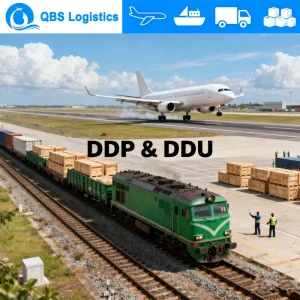
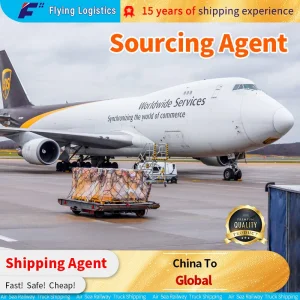
Whitepaper: Deciphering the DR Congo Cross-Border Supply Chain Ecosystem
1. The DR Congo Market Landscape: Localized Commercial & Industrial Realities
The Democratic Republic of the Congo (DRC) represents one of the most promising yet logistically complex consumer frontiers in Sub-Saharan Africa. Boasting an estimated population exceeding 100 million people, with major urban conglomerates like Kinshasa, Lubumbashi, and Goma witnessing rapid urbanization, consumer demand is sky-rocketing. Historically dominated by primary resource extraction (copper, cobalt, tin), the DRC is transitioning towards structural digitization. E-commerce platforms, local B2B supply lines, and cross-border digital imports are filling critical retail voids.
However, logistical execution within the DR Congo remains a substantial hurdle. Due to fragmented domestic highways, the market relies on strategic maritime gateways and regional multimodal corridors. The western hub of Kinshasa is primarily serviced via the Atlantic Ocean through the port of Matadi, followed by rail or road transit. The southern mining hub (Katanga province, centering on Lubumbashi) is linked to southern African ocean ports (Durban, Walvis Bay, Beira, or Dar es Salaam) via an intricate overland network. The Eastern Province (Goma, Bukavu) depends heavily on the Northern and Central Corridors operating through East African ports of Mombasa (Kenya) and Dar es Salaam (Tanzania).
2. The Global Context & The China-Africa Supply Chain Corridor
Global manufacturing powerhouses, primarily situated in Guangdong, Zhejiang, and Jiangsu provinces of China, feed the immense retail demands of the DRC. From small consumer electronics, textiles, and solar panels to heavy-duty mining machinery and automotive parts, the China-DR Congo trade lane is expanding at double-digit annual rates.
Operating as an experienced exporter and logistics coordinator, Shenzhen NoviLink Logistics bridges this gap by acting as a consolidation, clearance, and routing powerhouse. By integrating warehouse hubs in Shenzhen, Guangzhou, and Yiwu, we consolidate diverse e-commerce parcels, execute stringent export grading, compile comprehensive compliance documentation (including FERI registration and Bureau Veritas certifications), and direct cargo through specialized freight streams.
3. Industry Trends: Digitalization, Mobile Money, and Micro-Fulfillment
The integration of telecom network payment rails, such as M-Pesa, Orange Money, and Airtel Money, has bypassed traditional banking, sparking a boom in consumer e-commerce. As mobile penetration accelerates, the demand for fast, reliable, and trackable micro-deliveries has intensified. Key logistical shifts include:
- The Shift to LCL (Less-than-Container Load) Consolidations: E-commerce traders no longer buy full containers; they demand weekly consolidated boxes shipped direct under DDP frameworks.
- Mandatory Double Customs Clearance (DDP): Given complex administrative steps in Matadi and Goma, suppliers seek unified pricing where taxes, duties, port handling, and custom broker fees are bundled in a single per-kilogram rate.
- Multimodal Corridor Integration: Using the newly modernized Lobito Corridor rail system to drastically cut transit times from the Atlantic ocean straight into the mining heartlands.
4. Localized Application Scenarios
To illustrate how these logistics pipelines function, consider the following real-world operational scenarios managed by NoviLink:
- Kinshasa B2C Tech Import: Small-package electronics consolidated in Shenzhen, flown directly to Kinshasa (FIH) airport, custom cleared in 48 hours via pre-arranged DDP programs, and routed to local pick-up lockers using local dispatch services.
- Katanga Solar Infrastructure: Solar panel containers shipped from Ningbo port, entering via the port of Dar es Salaam, tracked through Tanzania and Zambia, crossing the Kasumbalesa border, and arriving at Lubumbashi construction depots with complete custom taxes pre-settled.
1
Consolidation
Parcels from multiple Chinese factories are inspected, scanned, and grouped in our Shenzhen hub.
2
Transit & Clearance
Fast ocean or air dispatch with pre-filed FERI, clearing Customs at major African ports of entry.
3
Last-Mile Delivery
Secure tracking through to final distribution centers in Kinshasa, Lubumbashi, or Goma.
5. Technology Roadmap: Future Proofing African Freight
To combat security threats and infrastructure blind spots, Shenzhen NoviLink Logistics utilizes a cloud-based logistics management system. We provide full end-to-end tracing by embedding IoT sensors in high-value shipments and linking our digital platform directly to the local customs offices in the DRC (DGDA - Direction Générale des Douanes et Accises). This integration allows for early electronic manifest submissions, minimizing delays and avoiding costly port storage fees.
About Shenzhen NoviLink Logistics Co., Ltd.
Shenzhen NoviLink Logistics Co., Ltd. is a leading global logistics provider specializing in airfreight, sea freight, and both LCL and FCL shipping solutions. Founded in 2010 in Shenzhen, China, NoviLink began as a small freight forwarding company focused on cross-border e-commerce shipments. Over the past decade, the company has grown into a full-service logistics and supply chain expert, serving clients across Asia, Europe, and North America under its flagship brand NoviLink.
From its early days of handling small-scale shipments, NoviLink quickly expanded its operations to include express air cargo, ocean freight, customs clearance, and multi-modal transportation. By integrating cutting-edge logistics management systems, warehouse automation, and real-time tracking, the company provides seamless, reliable, and cost-effective shipping solutions tailored to both businesses and e-commerce sellers.
NoviLink’s service portfolio now covers cold chain logistics, inventory management, last-mile delivery, and freight insurance, ensuring goods are transported safely and efficiently worldwide. The company’s dedicated team of logistics professionals combines decades of experience with innovative supply chain strategies, helping clients optimize shipping routes, reduce costs, and improve overall operational efficiency.
Committed to sustainability, efficiency, and customer satisfaction, Shenzhen NoviLink Logistics Co., Ltd. continues to set industry standards for global freight solutions. Through its comprehensive air and sea freight services, NoviLink empowers businesses to expand internationally, delivering excellence at every step of the supply chain.
DR Congo Cross-Border Shipping FAQ
Expert insights addressing key regulatory compliance, import tariffs, transit pathways, and customs requirements.
What is a FERI certificate and is it mandatory for importing into the DR Congo?
Yes, the FERI (Fiche Électronique des Renseignements à l'Importation) is a mandatory electronic loading document required by the OGEFREM for all maritime and air cargo arriving in the Democratic Republic of the Congo. Failure to present a valid FERI certificate before cargo arrival will lead to severe custom clearing delays and heavy administrative fines at ports of entry like Matadi. NoviLink handles the registration and generation of FERI documents directly.
How does DDP (Delivered Duty Paid) work for shipments sent from China to the DR Congo?
Under our DDP freight terms, NoviLink takes full responsibility for shipping the goods from our Chinese warehouses, managing export customs, paying international air/ocean freight, handling import customs clearance in the DRC, paying all local duties, VAT, port tariffs, and carrying out delivery to your warehouse. You receive one predictable invoice with no hidden local charges.
What is the typical transit duration for sea and air freight from China to Kinshasa?
Typically, direct Air Freight from China (Shenzhen/Guangzhou/Hong Kong) to N'djili Airport in Kinshasa takes 7 to 12 days, including local customs processing. Standard Sea Freight via the Atlantic Route entering Matadi Port takes approximately 35 to 50 days. Multimodal transit to eastern zones (Lubumbashi/Goma) via Dar es Salaam or Durban takes between 40 to 60 days.
Can you ship lithium batteries and electronic devices to DR Congo?
Yes. NoviLink is licensed for Dangerous Goods (DG) shipping. We provide specialized packing, documentation, and routing for goods with lithium batteries, solar storage units, and mobile devices from Shenzhen to all major centers in the DR Congo.
Maximize Your Central African Logistics Performance
Contact NoviLink's logistics engineers today. Secure a detailed routing diagram, accurate transit time schedules, and a custom freight quote for your specific cargo.
Send Inquiry NowExtended Cross-Border Logistics Portfolios
Secure freight lines covering secondary markets, specialized inland transshipments, and customs brokerage services.