 NoviLink Logistics
Featured Dangerous Goods Handling & Transport Solutions for Benin
Engineered for extreme tropical environments and compliant with international maritime and air cargo safety protocols.
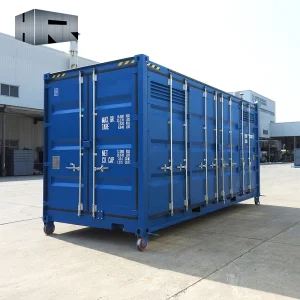
20FT Chemical Explosion Proof Warehouse Outdoor Large Dangerous Goods Storage Box for Benin Ports
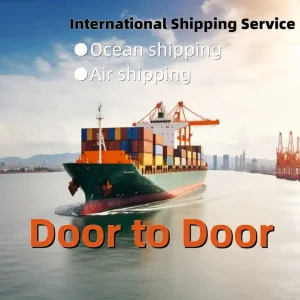
Sea Freight Dangerous Goods Shipping From Shanghai, Hongkong, Shenzhen in China to Benin (Cotonou Port)
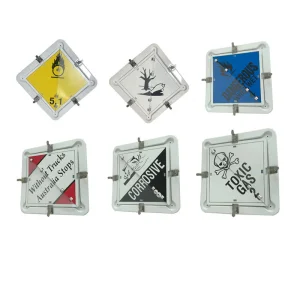
Factory Price Aluminum Dangerous Goods Transportation Label for Benin Customs Compliance
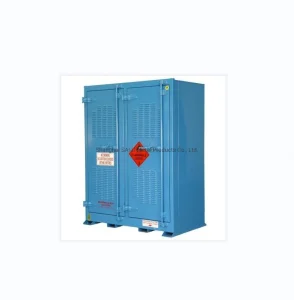
Sai-U Outdoor Dangerous Goods Chemical Storage Container Ot450-1 for Local Mining Operations
The Benin Market: Geopolitical Hub of the West African Sub-Region
Understanding the economic significance of the Cotonou Port and transit corridors to landlocked Sahelian nations.
Benin's unique position along the Gulf of Guinea has turned the nation into a pivotal logistical gateway for West Africa. The Port of Cotonou (PAC) serves not only the domestic market of Benin but also acts as the primary transit point for landlocked countries such as Niger, Burkina Faso, and Mali. As industrial activities, agricultural developments, and mining sectors expand across the Economic Community of West African States (ECOWAS), the transport of hazardous chemicals, fertilizers, flammable liquids, and lithium-ion batteries has escalated exponentially.
The shipment and warehousing of Dangerous Goods (DG) and Hazardous Materials (HAZMAT) in Benin present complex challenges. Sub-Saharan infrastructure demands equipment that can withstand high humidity levels, intense marine environments, and substantial inland heat. Standard cargo methods are insufficient; supply chain operations require rigorous technical engineering, explosion-proof storage facilities, specialized transport vehicles, and exact compliance with international standards such as the IMDG Code (International Maritime Dangerous Goods) and IATA Dangerous Goods Regulations.
Industrial Chemical Transit
Managing chemical flows (Class 3, Class 5, Class 8) from the Port of Cotonou through to industrial zones in Parakou and Sahelian mines.
Explosion-Proof Storage
Integrating certified outdoor warehousing units to safeguard dangerous inventories against extreme West African thermal fluctuations.
Customs Clearance Integration
Navigating Douanes Béninoises, CNCB (Conseil National des Chargeurs du Bénin), and Synergie-Sydonia World digital custom declarations.
Shenzhen NoviLink Logistics Co., Ltd.
Your Trusted Global End-to-End HAZMAT Freight & Supply Chain Partner
Founded in 2010 in the global electronics and logistics hub of Shenzhen, China, Shenzhen NoviLink Logistics Co., Ltd. has expanded from a local logistics forwarder into a world-class multimodal transportation provider. Offering tailored freight forwarding solutions for complex logistics demands, we specialize in high-stakes Dangerous Goods ocean cargo (FCL & LCL) and priority airfreight under our premier brand NoviLink.
Our solutions cover cold chain networks, robust inventory tracking, secure warehousing, and expert customs broker services. Over the last decade, NoviLink has set safety and compliance benchmarks for logistics routes bridging Asia, Europe, North America, and the high-growth markets of West Africa.
By deploying state-of-the-art software systems, IoT tracking, and certified physical hardware, we ensure that hazardous cargoes move from manufacturing facilities directly to final destinations in Benin and its neighboring regions without compromising safety protocols or regulatory requirements.

14+
Years of HAZMAT Shipping Experience
100%
Compliance Record under IMDG & IATA
50K+
Tons of Annual Dangerous Cargo Cleared
24/7
IoT Real-Time Environmental Tracking
Regulatory Compliance & Safe Logistics Protocols for Benin Importation
Establishing standard regulatory workflows for transit cargo and international imports.
Navigating West African compliance demands meticulous documentation and specialized handling hardware. In Benin, customs authorities work alongside national bureaus to inspect, verify, and greenlight all inbound hazardous cargos. Importers must issue accurate safety documentation, which includes Safety Data Sheets (SDS/MSDS), dangerous goods declarations (DGD), and certified packaging reports indicating UN numbers.
To clarify the documentation needed for shipping dangerous goods to the Benin market, see the requirements below:
| Compliance Document | Primary Purpose | Benin Authority Verification |
|---|---|---|
| MSDS / SDS (Safety Data Sheet) | Outlines the chemical properties, health hazards, protective measures, and storage precautions. | Ministry of Environment & Customs Inspection |
| Dangerous Goods Declaration (DGD) | Certifies that the cargo is packaged, marked, and labeled in accordance with IATA/IMDG codes. | CNCB (Conseil National des Chargeurs du Bénin) |
| UN Certified Packaging Certificate | Validates that drums, bulk bags, or containers have survived integrity drop and stress tests. | Customs Port Inspectorate at Cotonou (PAC) |
| BESC (Bordereau Électronique de Suivi des Cargaisons) | Electronic Cargo Tracking Note compulsory for all shipments headed to or transiting Benin. | Port Authorities & customs clearing agents |
NoviLink ensures that every dangerous shipment is backed by exact technical paperwork, avoiding port holding penalties, customs seizure risk, or cargo re-routing costs. Our relationships with international container inspect agencies assure seamless compliance verification for classes ranging from volatile Class 3 Flammable Liquids to Class 9 Miscellaneous Dangerous Materials.
Future Logistics: The Intelligent Safety Technology Roadmap
How IoT-connected hardware, anti-corrosive metals, and modular designs mitigate industrial risk.
Comprehensive HAZMAT Shipping & Storage Catalog
Strictly certified under ISO, CE, and UN safety guidelines for global distribution and West African port requirements.
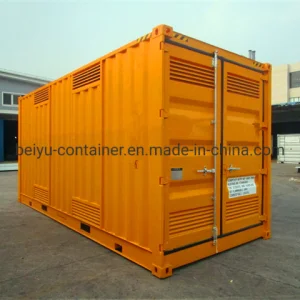
20FT Hc Shipping Container for Chemical Dangerous Material Storage and Transportation - Benin Distribution
Un FIBC Bulk Bag for Dangerous Goods Packing & Powders Transit
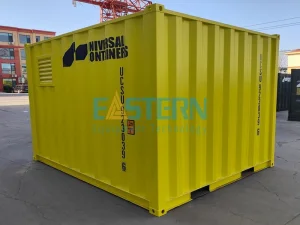
Hazardous Goods Storage Cans - The Dangerous Chemical Cargo Bund Floor Box
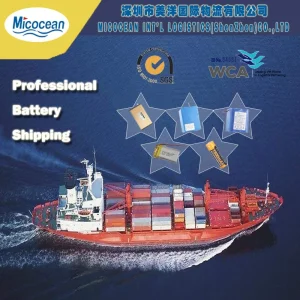
Battery Agent Dangerous Goods Liquid, Powder, Solar Panel Sea/Air Freight Shipping from China to Benin
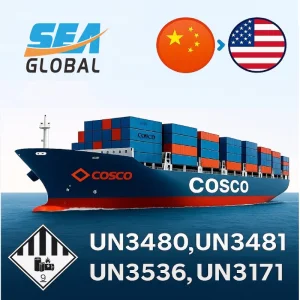
Freight Forwarder Dangerous Cargo Battery Shipping FCL Container Un3480/Un3481 to Benin Market
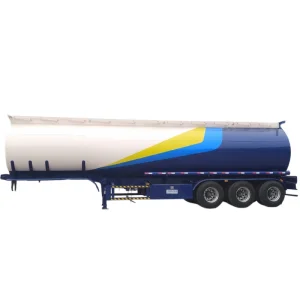
Anti-Corrosive 3-Axle Multi-Compartment Stainless Steel Tank Trailer for Benin Liquid Logistics

Minimum Size Bomb Disposal Robot for Transferring Dangerous Objects at Port & Airport Security
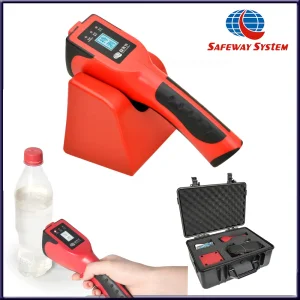
Dangerous Liquid Scanner for Customs, Airport Security Inspection (Patented & Certified)
Specialist Shipping & Detection Equipment
Ensuring safety across all logistical operations, trans-shipment facilities, and border crossings in West Africa.
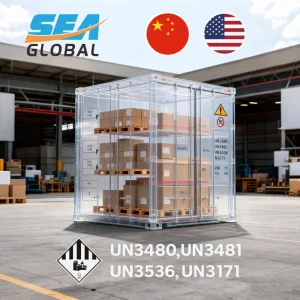
Freight Forwarder Dangerous Cargo Battery LCL Shipping Un3480/Un3481 DDU DDP Logistics Agent
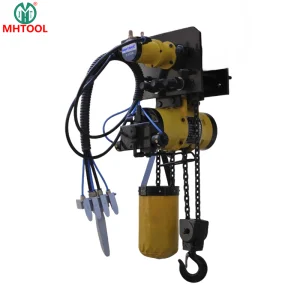
50ton Hook Suspended Pneumatic Air Chain Hoist for Complex and Hazardous Environments
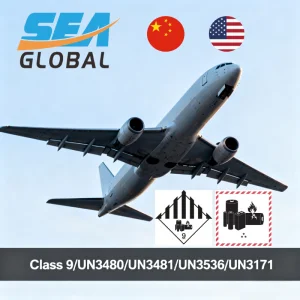
Freight Forwarder Dangerous Battery Air Shipping Express Logistics Agent (Un3480/Un3481)
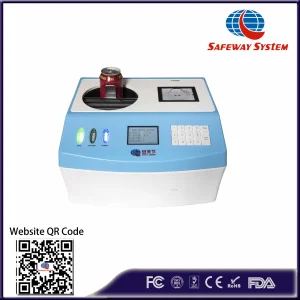
New Stationery Desktop Dangerous Liquid Explosive Detector & Trace Scanner for Customs
Industrial Whitepaper: Managing HAZMAT Supply Chains in Tropical Regions
Analyzing temperature thresholds, thermal decomposition, and mechanical containment challenges.
1. High-Humidity and Elevated Temperature Dynamics
West African coastal zones average ambient temperatures above 32°C year-round, with relative humidity often exceeding 85%. For materials classified under Class 5.2 (Organic Peroxides) or Class 4.2 (Substances Liable to Spontaneous Combustion), sustained exposure to high heat can trigger rapid decomposition. The Self-Accelerating Decomposition Temperature (SADT) represents the lowest threshold at which a substance undergoes runaway chemical degradation inside its transport packaging.
To maintain shipping safety, we utilize insulated double-walled transport containers and active ventilation machinery. Standard steel storage boxes absorb heat energy quickly, increasing interior temperatures. Using double-barrier insulation reduces external thermal transfer, keeping interior temperatures stable and within safe limits during transit across land corridors in Benin.
2. Anti-Corrosion Engineering for Marine Environments
The port of Cotonou features high atmospheric salinity. Sodium chloride particles accelerate electrochemical oxidation (rusting) on steel surfaces. Storage structures and container bodies must be treated with zinc-rich epoxy primers and polyurethane topcoats, certified under the ISO 12944 C5-M (Marine) standard.
NoviLink's storage installations feature high-grade aluminum labels, stainless-steel hinges, and leakproof bund storage systems. Spills must be caught within chemical-resistant floors designed to handle volume failures up to 110% of the primary containment unit. This prevention structure stops local soil and groundwater contamination, maintaining regulatory alignment with West African environmental protection mandates.
3. Lithium-Ion Battery Transit Protocols
Class 9 (UN3480/UN3481) lithium-ion battery shipping requires strict safety handling due to thermal runaway risk. A damaged battery cell can experience uncontrolled heat release, generating volatile gases that can cause self-sustaining fires. In response, NoviLink implements packaging procedures using UN-certified fiberboard or metal barrels filled with non-combustible vermiculite insulation.
For multi-modal shipping from China to Cotonou, containers are positioned away from ship engines or high-temperature zones. Each battery batch goes through state-of-charge (SoC) management prior to dispatch, typically held between 30% and 50% to minimize chemical energy potential during long ocean voyages.
Frequently Asked Questions (FAQ) - Benin Market
Clear, expert answers regarding international shipping, customs, and safety regulations.
Secure Your Dangerous Goods Supply Chain Today
Connect with our certified technical engineers to arrange safe, compliant transport and storage for the Benin and broader West African markets.
Send Inquiry Now