NoviLink Logistics
Primary Industrial Hazmat Solutions for Nepal
Specially customized transportation safety equipment and international freight routing for volatile compounds, chemical assets, and high-risk storage requirements across Nepal.
Industrial Dynamics of Dangerous Goods Shipping in Nepal
An in-depth structural analysis of landlocked chemical logistics, regulatory hurdles, border control protocols, and infrastructure compliance solutions.
1. The Nepal Market: Current Industrial & Hazmat Sourcing Realities
As Nepal pushes forward with ambitious national infrastructure upgrades, its demand for industrial-grade chemicals, dangerous goods (DG), and hazardous materials has witnessed an unprecedented surge. Key development sectors, including hydro-energy generation, highway tunnel construction, commercial mining, and national agricultural programs, are entirely dependent on volatile materials. These range from bulk industrial explosives for mountain excavation to large-scale lithium-ion energy storage systems (BESS) designed for grid stability in remote geographic regions.
However, Nepal's unique geographical standing presents severe challenges to international chemical manufacturers and exporters. Being a landlocked country bounded by mountainous terrain, all major imports arriving by sea must undergo transshipment through designated transit ports in India—specifically Kolkata and Visakhapatnam—or traverse high-altitude overland border routes from China. This requires multi-jurisdictional compliance, adhering concurrently to the IMDG Code (International Maritime Dangerous Goods), Indian Port Trust regulations, and Nepalese customs protocols.
Key Challenge: Landlocked Transit Jurisdictions
Shipping hazardous material to Nepal requires managing cross-border customs declarations at Indian transit ports and transit permits under the Treaty of Trade and Transit between Nepal and India. Any discrepancy in documentation can lead to severe penalties, demurrage, or container detention at port facilities.
2. Emerging Regulatory Compliance & Shipping Trends in South Asia
Regulatory requirements for hazardous cargo in the South Asian corridor have grown increasingly stringent. The Department of Customs in Nepal, alongside the Ministry of Industry, Commerce, and Supplies, has updated import standards for toxic chemicals, compressed gases, and flammable compounds. Compliance is no longer limited to standard MSDS (Material Safety Data Sheet) compliance; modern shipments must offer precise chemical trace profiles, certified UN packaging, and proof of non-hazardous contamination risk.
Globally, the transition toward clean energy has created a massive demand for shipping lithium batteries and solar energy components to Nepal. To counter the threat of thermal runaway during long-distance transit, logistics providers must implement rigorous Class 9 dangerous goods controls. These include UN-approved protective boxes, thermal isolating barriers, and real-time smart tracking devices.
3. Sourcing Logistics & Supply Chain Strategies
For industrial procurers in Nepal, selecting the right global shipping framework is critical to mitigating operational delays and ensuring regional safety compliance. The ideal supply chain strategy combines multi-modal ocean-to-road freight with certified on-site storage solutions. High-value, sensitive materials like laboratory reagents and specialized explosives are typically flown directly to Tribhuvan International Airport (KTM) in Kathmandu under strict IATA DGR guidelines.
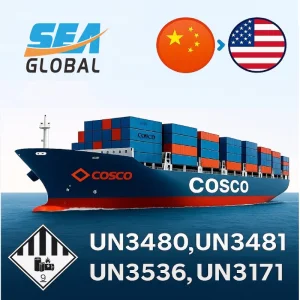
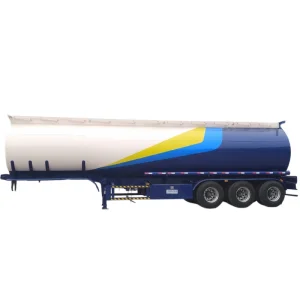
For heavy industrial chemicals, bulk acids, and batteries, sea-to-road shipping remains the most cost-efficient route. Containers are shipped via FCL (Full Container Load) to Kolkata Port, transferred onto rail or road transport, and cleared through key border entry points such as Birgunj, Biratnagar, or Bhairahawa. This complex process demands integrated logistics management, incorporating anti-corrosive containment, robust spill protection, and specialized transport configurations like multi-compartment stainless steel tank trailers.
About Shenzhen NoviLink Logistics Co., Ltd.
Your authoritative partner in global hazardous cargo management and compliant landlocked transport systems.
Shenzhen NoviLink Logistics Co., Ltd. is a leading global logistics provider specializing in airfreight, sea freight, and both LCL and FCL shipping solutions. Founded in 2010 in Shenzhen, China, NoviLink began as a small freight forwarding company focused on cross-border e-commerce shipments. Over the past decade, the company has grown into a full-service logistics and supply chain expert, serving clients across Asia, Europe, and North America under its flagship brand NoviLink.
From its early days of handling small-scale shipments, NoviLink quickly expanded its operations to include express air cargo, ocean freight, customs clearance, and multi-modal transportation. By integrating cutting-edge logistics management systems, warehouse automation, and real-time tracking, the company provides seamless, reliable, and cost-effective shipping solutions tailored to both businesses and e-commerce sellers.
NoviLink’s service portfolio now covers cold chain logistics, inventory management, last-mile delivery, and freight insurance, ensuring goods are transported safely and efficiently worldwide. The company’s dedicated team of logistics professionals combines decades of experience with innovative supply chain strategies, helping clients optimize shipping routes, reduce costs, and improve overall operational efficiency. Committed to sustainability, efficiency, and customer satisfaction, Shenzhen NoviLink Logistics Co., Ltd. continues to set industry standards for global freight solutions. Through its comprehensive air and sea freight services, NoviLink empowers businesses to expand internationally, delivering excellence at every step of the supply chain.
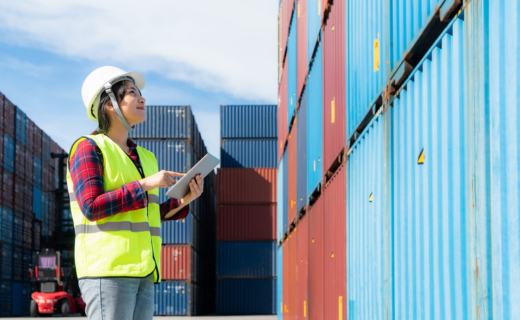
Technical Capabilities & Custom Hazmat Routing for Nepal
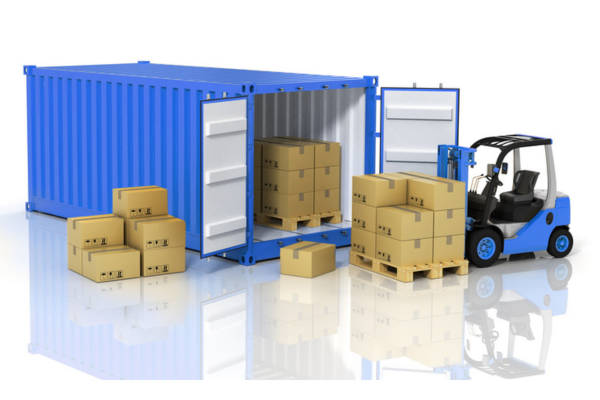
Our operations within the Nepalese sector are backed by certified packaging protocols, strict customs compliance management, and strategic partnerships with regional transport fleets. We handle the complete lifecycle of dangerous goods shipping—from classification and UN-certified container selection to Indian port transit clearance and final delivery at Nepalese dry ports.
- Regulatory Expertise: Comprehensive management of IMDG, IATA DGR, ADR, and local border policies.
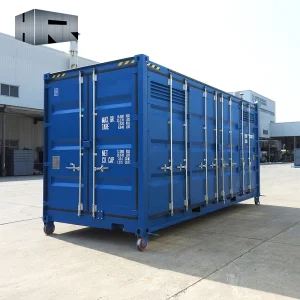
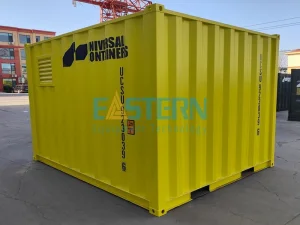
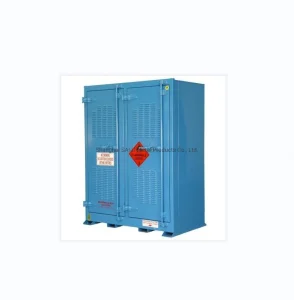
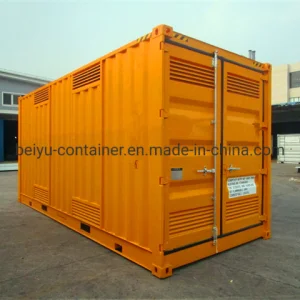
- Secure Containment: Deployment of specialized explosion-proof containers and bunded storage units.
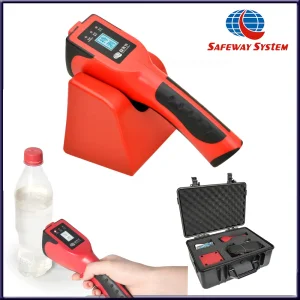
- Advanced Visibility: Real-time telematics tracking temperature, impact, and ambient humidity during transit.
- Custom Clearance Management: Rapid documentation processing at Kolkata, Birgunj ICD, and Tribhuvan Airport.
Dangerous Goods Logistics for Nepal: FAQ
Critical compliance, transit routing, and safety queries answered by our senior hazmat compliance engineers.
Complete Hazardous Goods & Logistics Product Line for Nepal
Explore our full range of certified packaging, global freight solutions, monitoring equipment, and heavy transit hardware optimized for Nepalese commercial requirements.