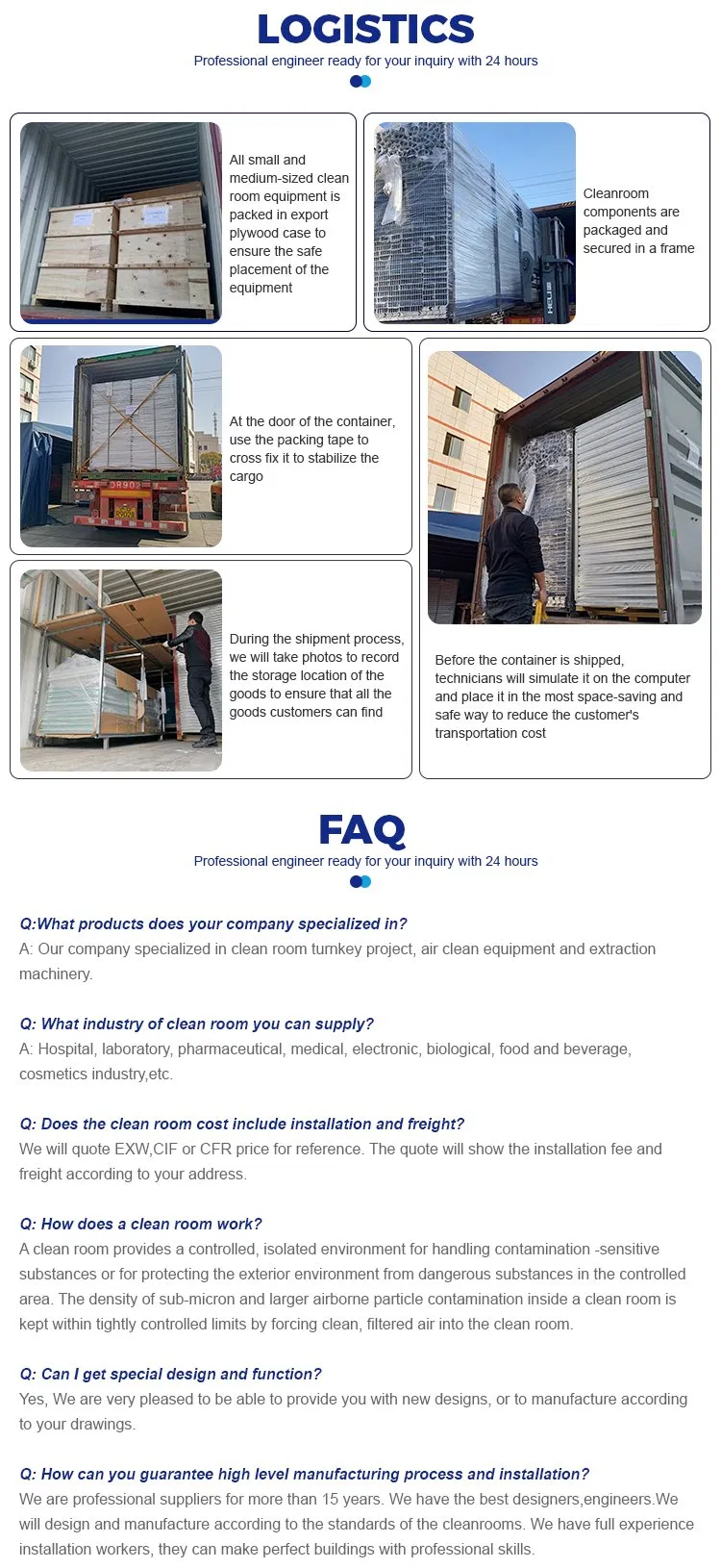
NoviLink Logistics
1 / 5
Exploring Clean Room Layout Solutions Effective Clean Room Layout Provider
Product Description
Basic Info.
Model NO.
SZP
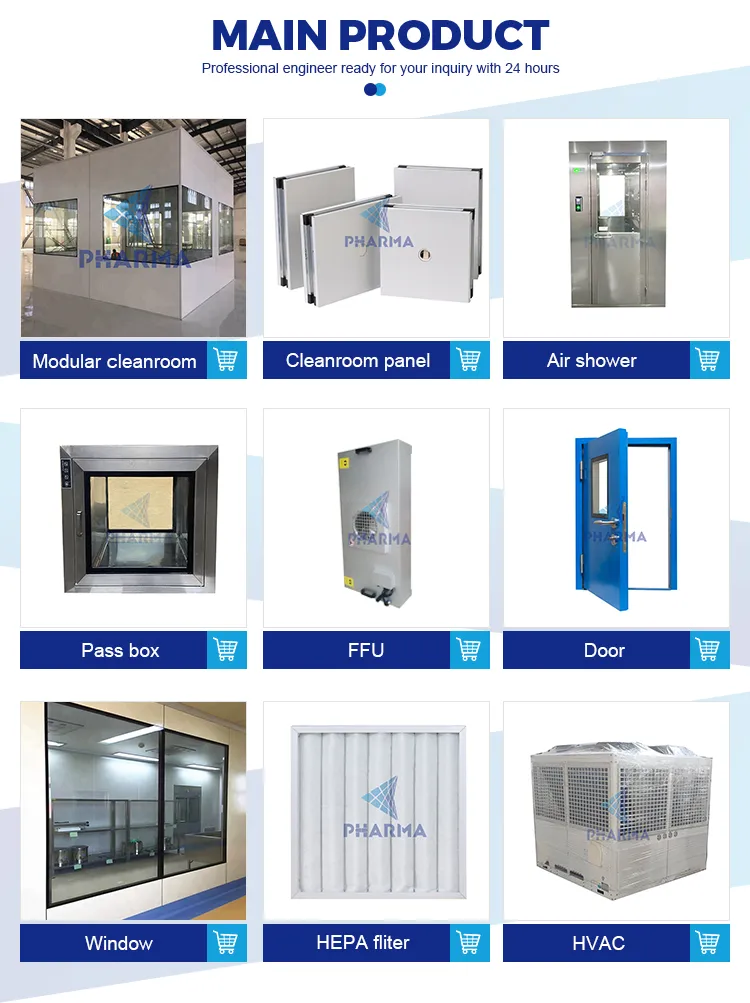
HVAC System
Humidity and Temperature Request
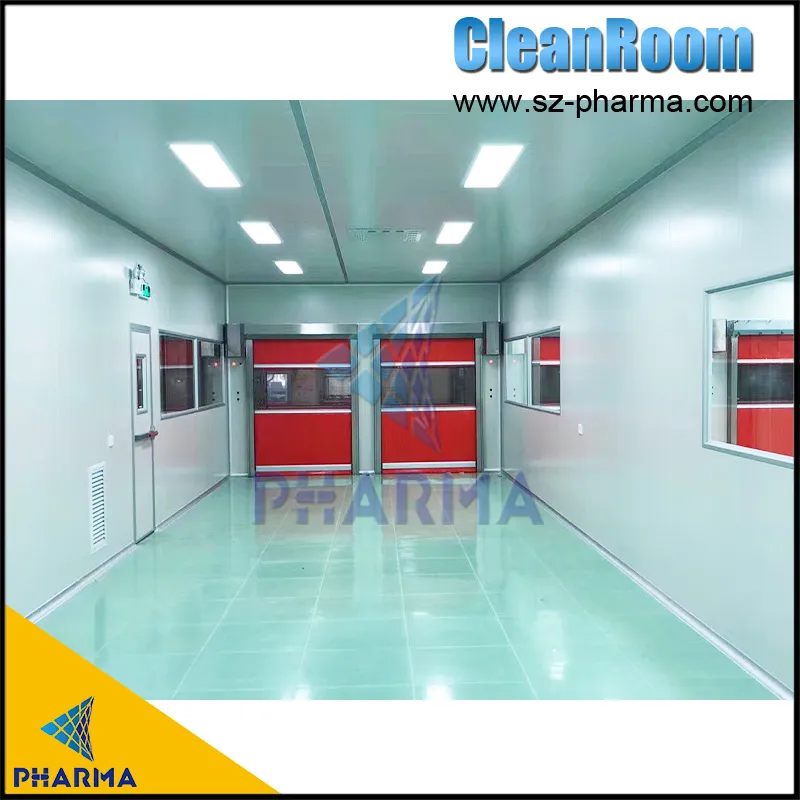
Doors
Swing Door/Sliding Door
HEPA Box/FFU
Custom Design
Clean Grade
ISO7 ISO8
Light
LED Light
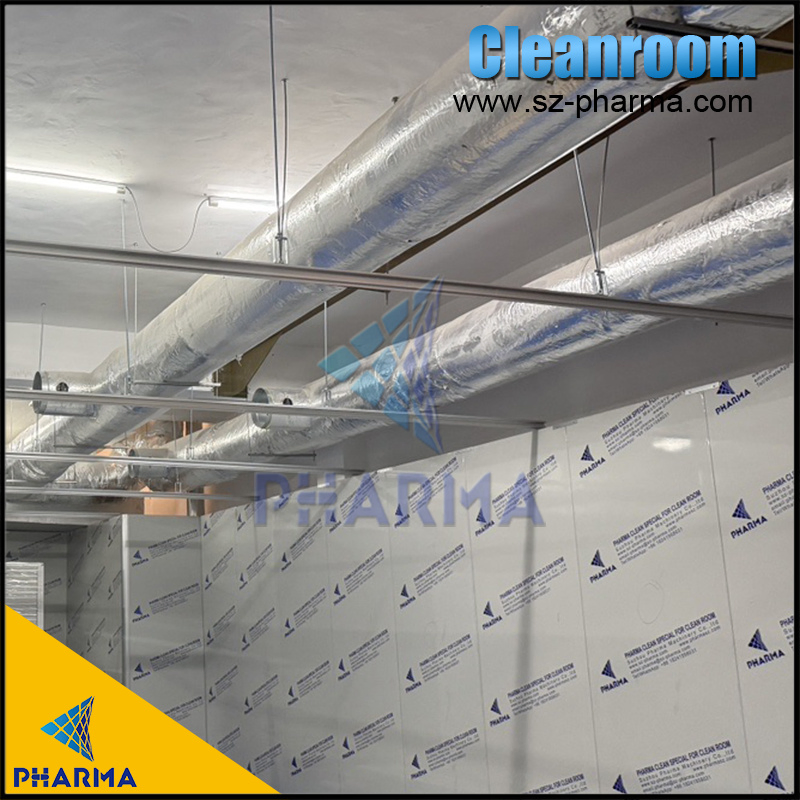
Wall&Ceiling
Sandwich Panel
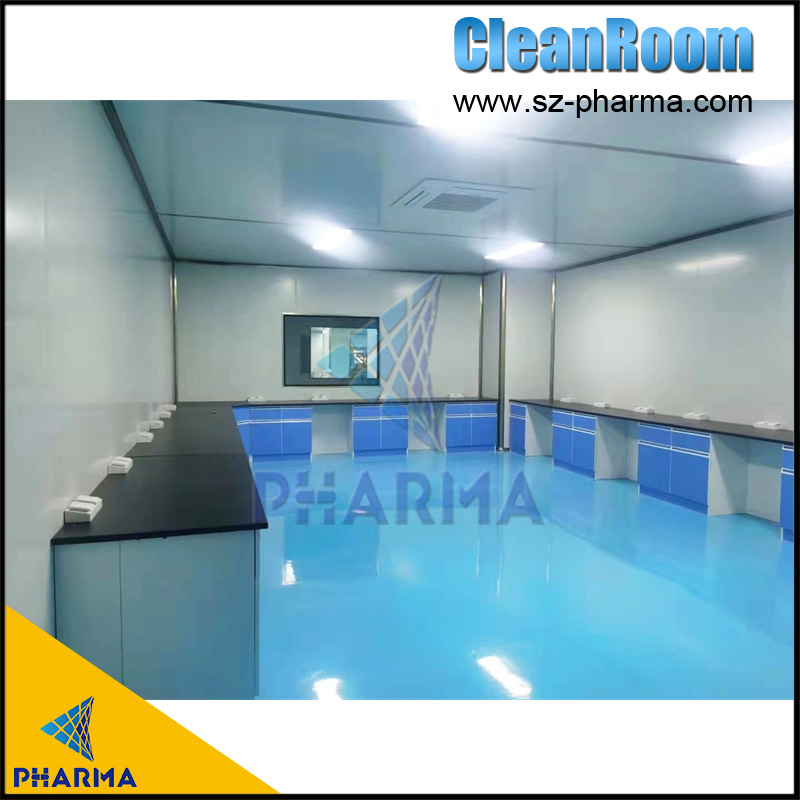
Lab Furniture
Option
Cleanroom Height
2.5m-3m
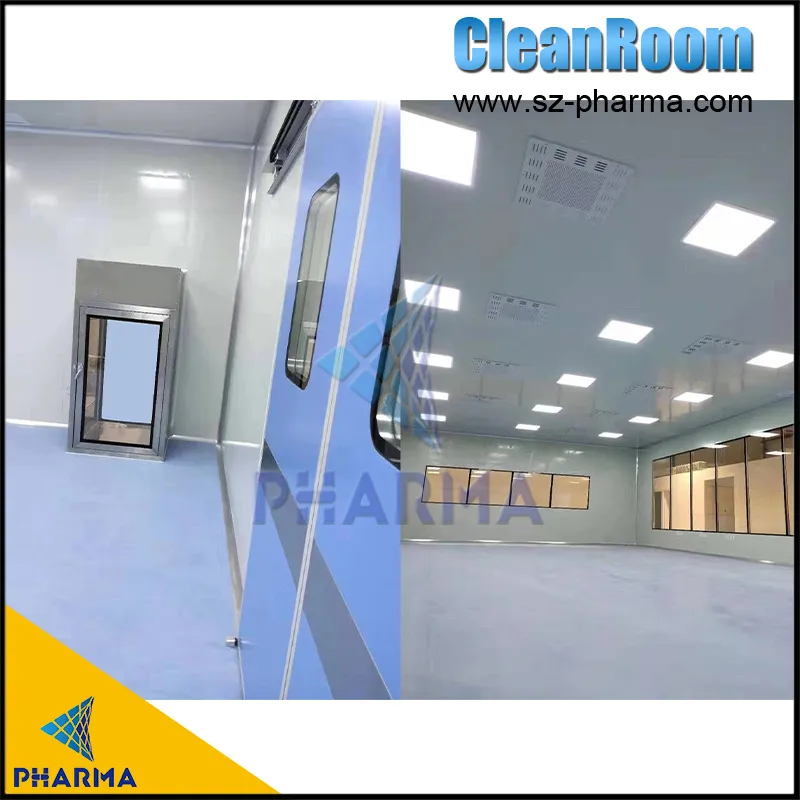
Pass Box
Option
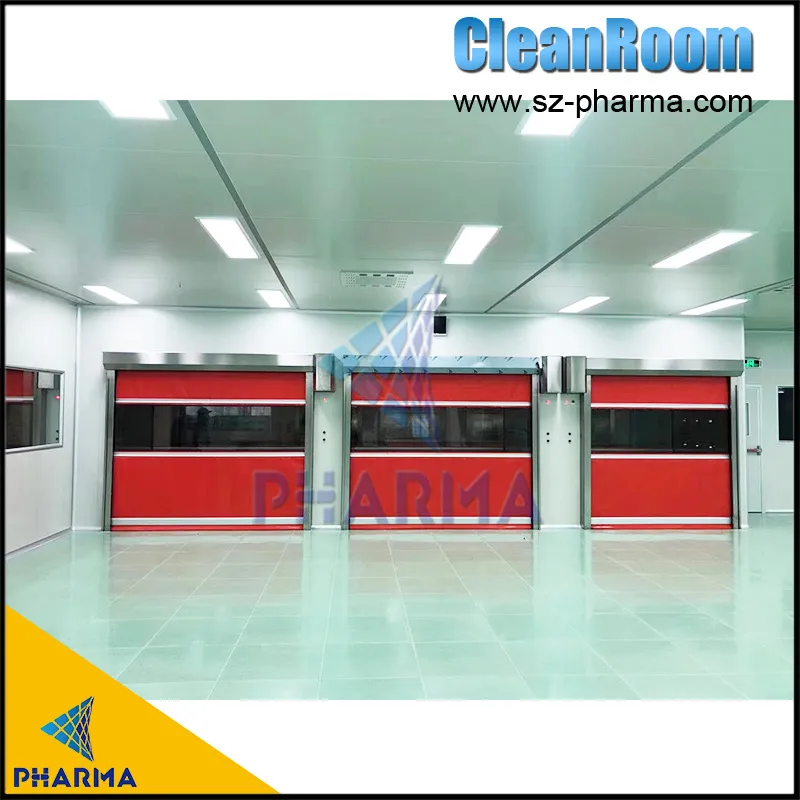
Air Shower
Worker/Cargo Use
Floor
PVC
Electric Control
UL or European Standard
QC Room
Option
Transport Package
40 Feet Hq
Specification
Custom Request
HS Code
8504500000
Production Capacity
50000 Square Meters /Year
Product Description
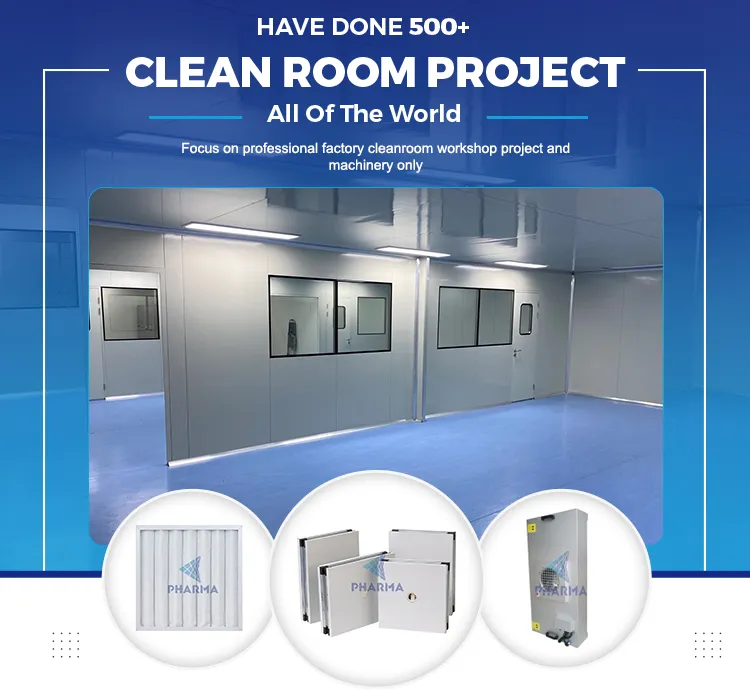
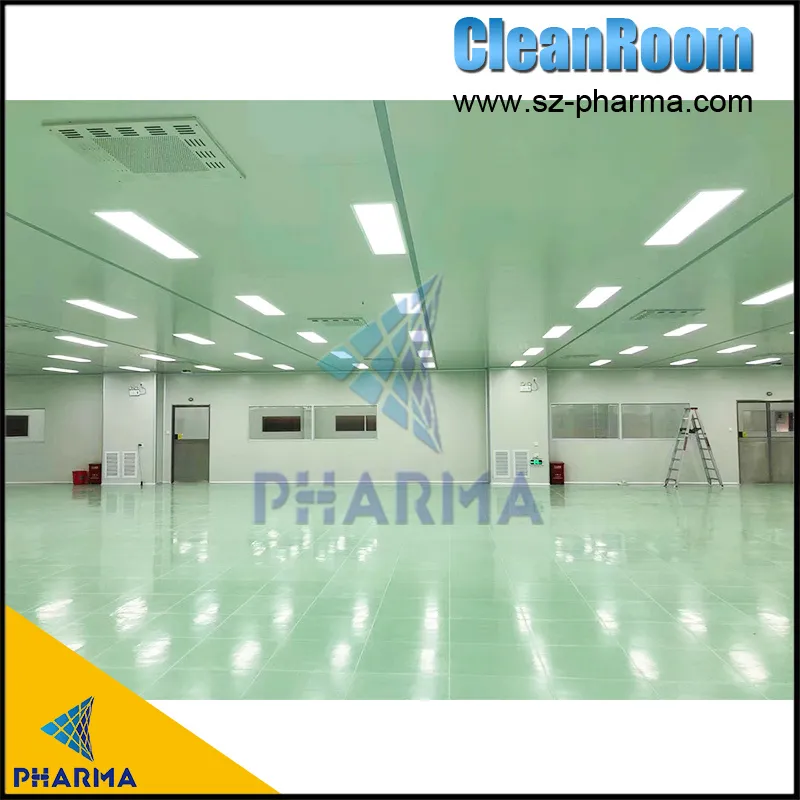
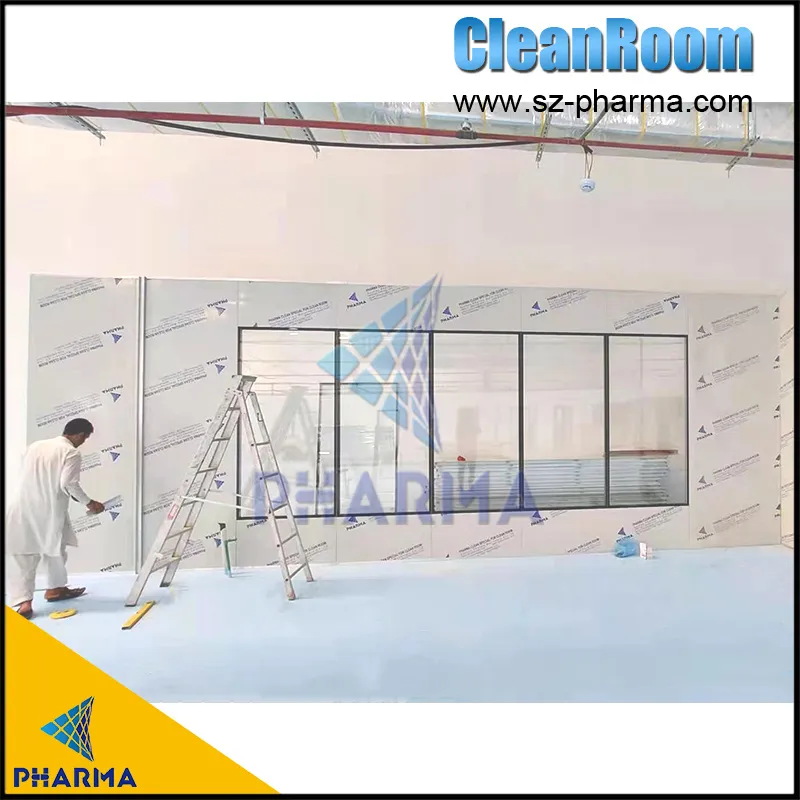
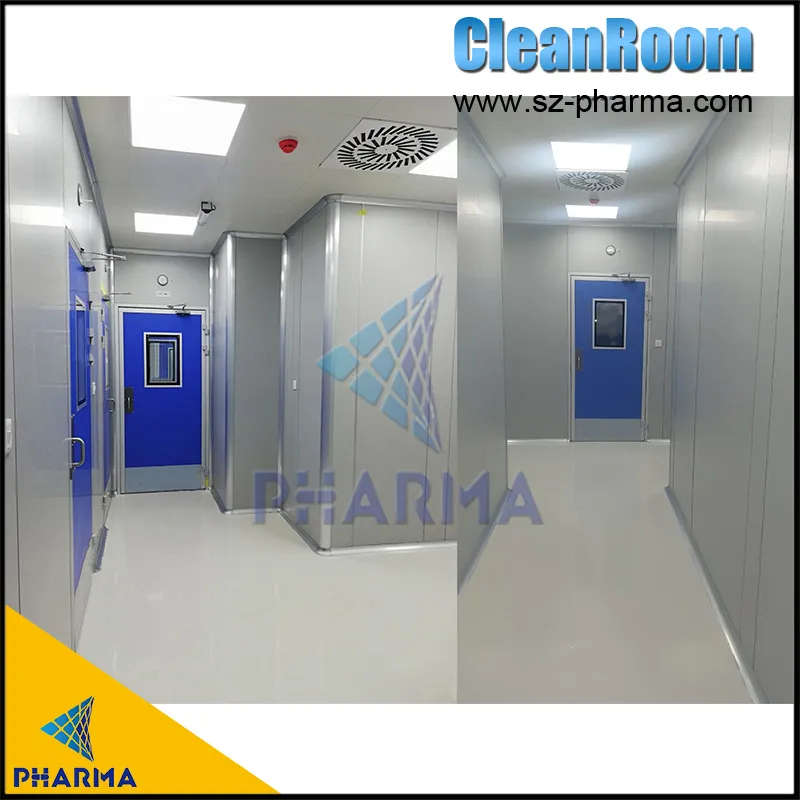
A Cleanroom is an environment, typically used in manufacturing or scientific research, that has a low level of environmental pollutants such as dust, airborne microbes, aerosol particles and chemical vapors. More accurately, a cleanroom has a controlled level of contamination that is specified by the number of particles per cubic meter at a specified particle size.
To give perspective, the ambient air outside in a typical urban environment contains 35,000,000 particles per cubic meter in the size range 0.5um and larger in diameter, corresponding to an ISO9 cleanroom, while an ISO1 cleanroom allows no particles in that size range and only 12 particles per cubic meter of 0.3um and smaller.
Designing Process & Key Standards
1
Determine the Cleanliness Level
Identify the ISO class or Federal Standard 209E classification. This determines the maximum allowable concentration of particles per unit volume of air.
2
Understand Your Application
Different industries (pharmaceuticals, semiconductor, medical devices) have specific requirements for environmental conditions.
3
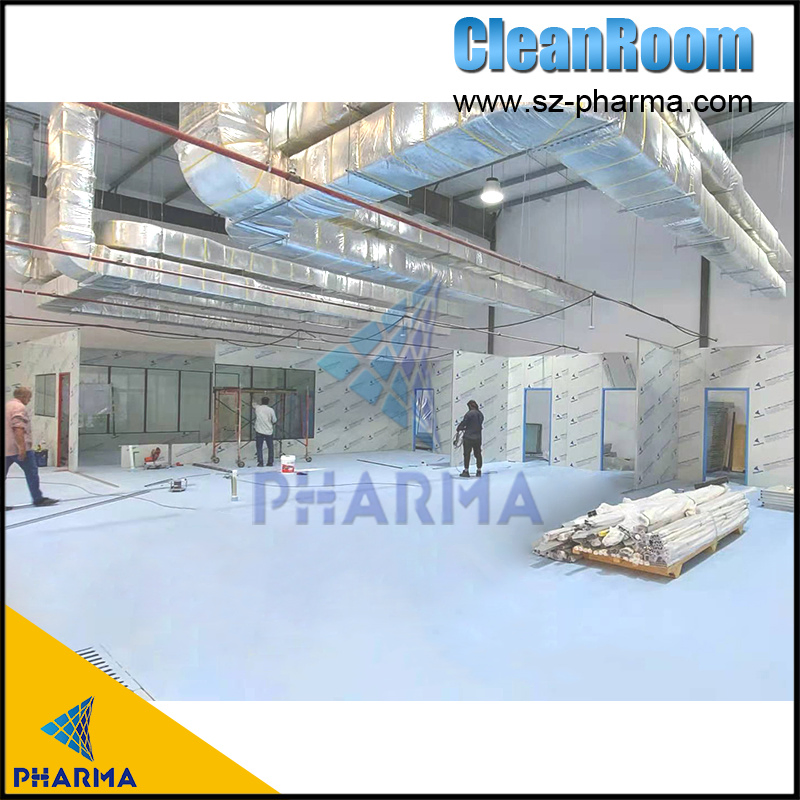
Size and Layout Planning
Consider process flow, equipment, personnel movement, and gowning areas while minimizing turbulence in airflow.
4
Airflow Design
Implement a unidirectional or laminar airflow system using HEPA (High-Efficiency Particulate Air) filters to prevent particle contamination.
5
Materials Selection
Choose non-shedding, easy-to-clean materials for walls, floors, and ceilings that are resistant to chemicals.
6
HVAC System Design
Design an HVAC system that maintains precise temperature, humidity, and positive/negative pressure.
| ISO 14644-1 Cleanroom Standards | |||||||
|---|---|---|---|---|---|---|---|
| Class | >=0.1um | >=0.2um | >=0.3um | >=0.5um | >=1um | >=5um | Class |
| ISO1 | 10 | 2 | - | - | - | - | - |
| ISO2 | 100 | 24 | 10 | 4 | - | - | - |
| ISO3 | 1000 | 237 | 102 | 35 | 8 | - | 1 |
| ISO4 | 10000 | 2370 | 1020 | 352 | 83 | - | 10 |
| ISO5 | 100000 | 23700 | 10200 | 3520 | 832 | 29 | 100 |
| ISO6 | 1000000 | 237000 | 102000 | 35200 | 8320 | 293 | 1000 |
| ISO7 | - | - | - | 352000 | 83200 | 2930 | 10000 |
| ISO8 | - | - | - | 3520000 | 832000 | 29300 | 100000 |
| ISO9 | - | - | - | 35200000 | 8320000 | 293000 | Room Air |

Frequently Asked Questions
What exactly is a cleanroom environment?
A cleanroom is a controlled environment designed to have extremely low levels of pollutants such as dust, microbes, and chemical vapors, specified by particle concentration per cubic meter.
What is the difference between ISO7 and ISO8 cleanrooms?
According to ISO 14644-1 standards, an ISO7 cleanroom allows fewer particles per cubic meter compared to ISO8, requiring more frequent air changes and higher efficiency filtration.
How do HEPA filters work in cleanroom design?
HEPA (High-Efficiency Particulate Air) filters are the core of the airflow system, designed to capture microscopic particles and ensure unidirectional or laminar airflow to maintain cleanliness levels.
Why is material selection critical for cleanroom walls and floors?
Materials must be non-shedding and non-porous (like sandwich panels and PVC flooring) to prevent the harbor of bacteria and ensure surfaces are resistant to harsh cleaning chemicals.
What industries require these cleanroom solutions?
Cleanrooms are essential for pharmaceutical manufacturing, semiconductor fabrication, medical device assembly, and scientific research laboratories where contamination can compromise results.
What are the standard heights for a cleanroom?
A typical cleanroom usually features a height between 2.5m and 3m to ensure optimal airflow control and efficient HVAC system operation.