NoviLink Logistics
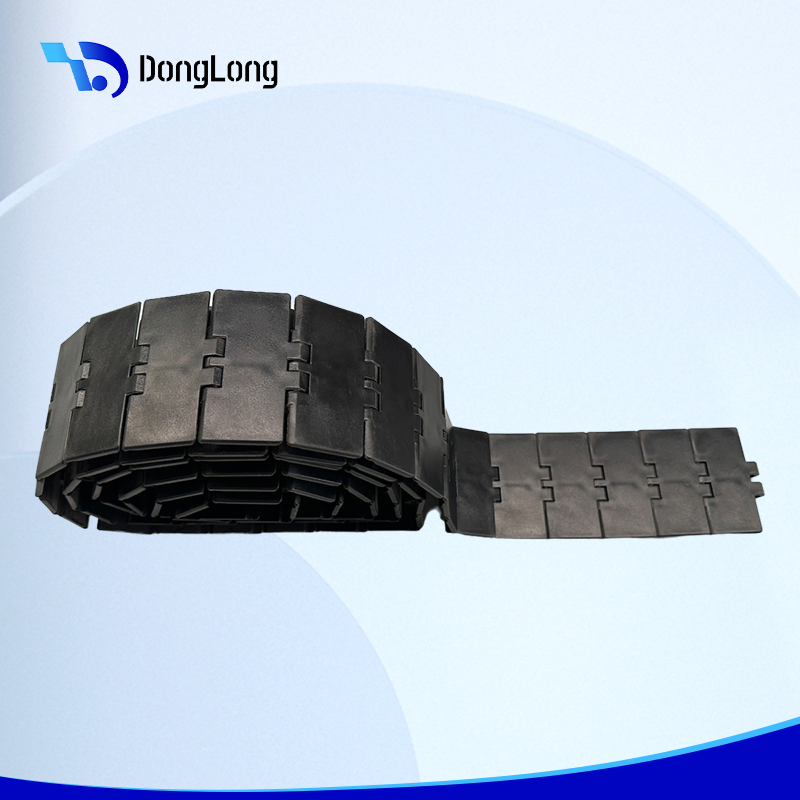
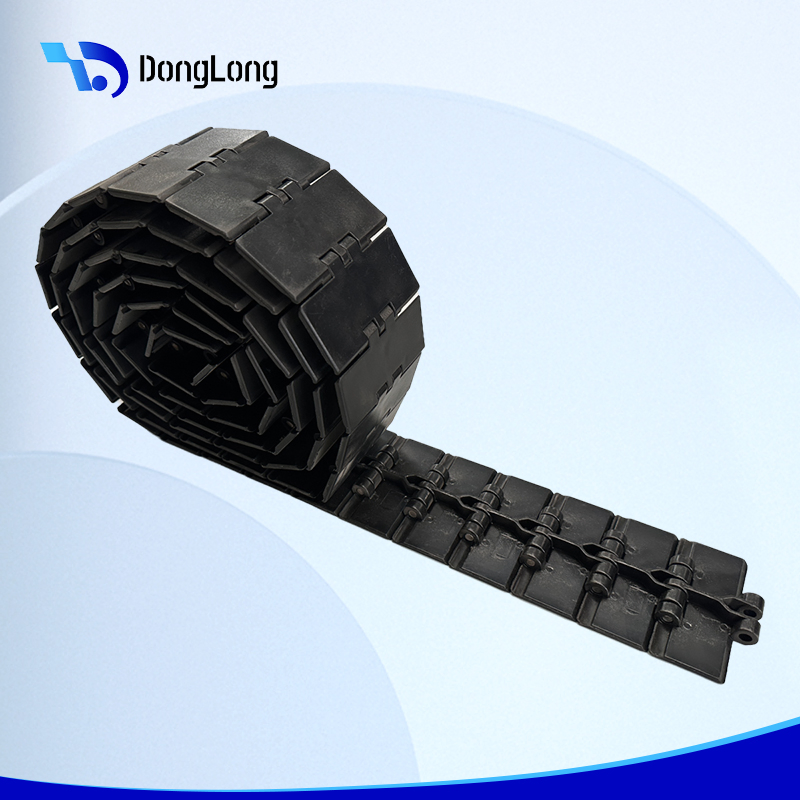
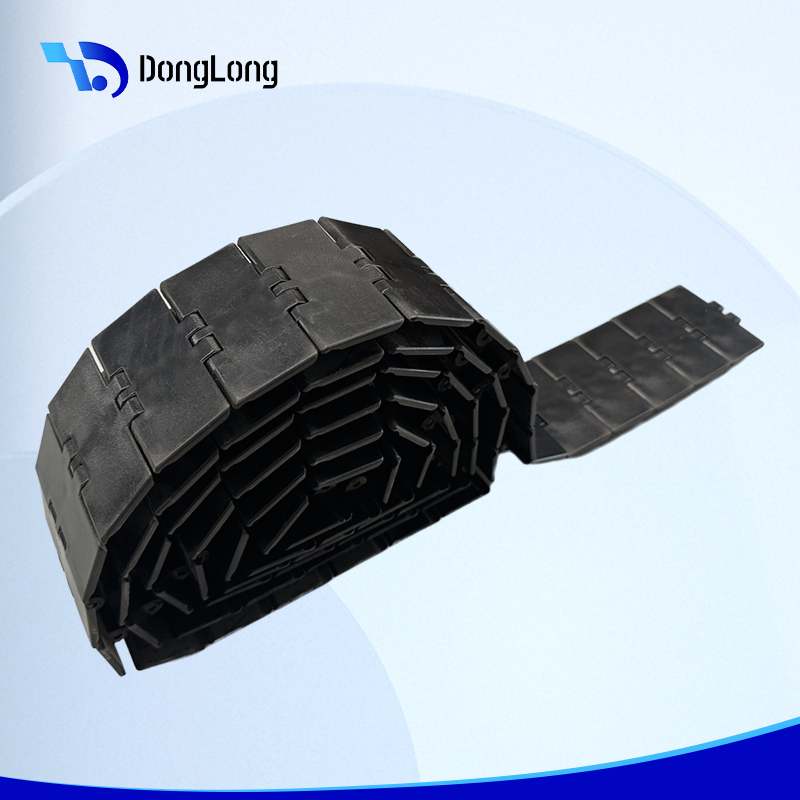
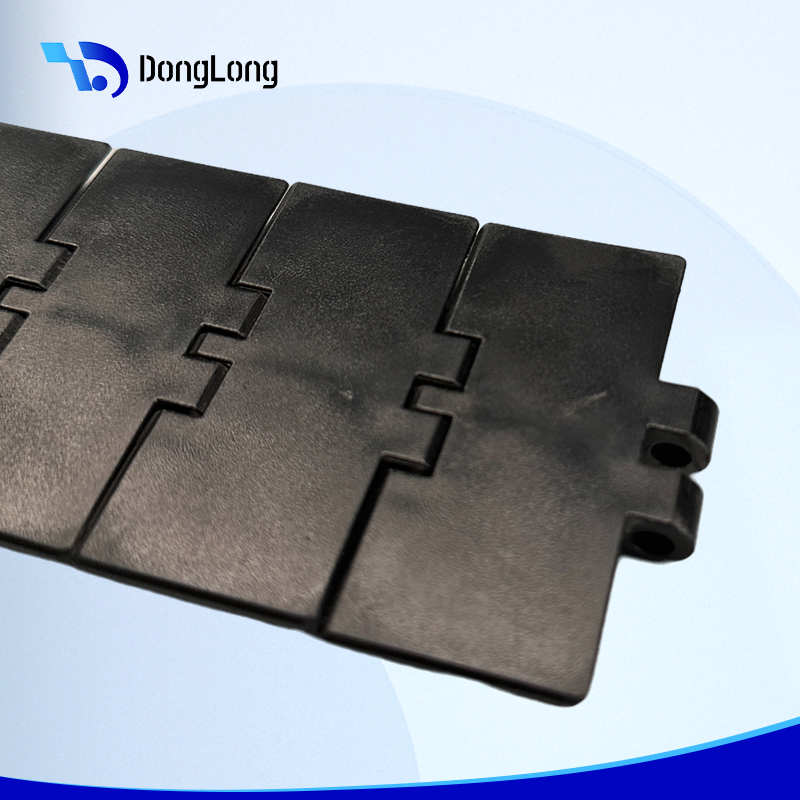
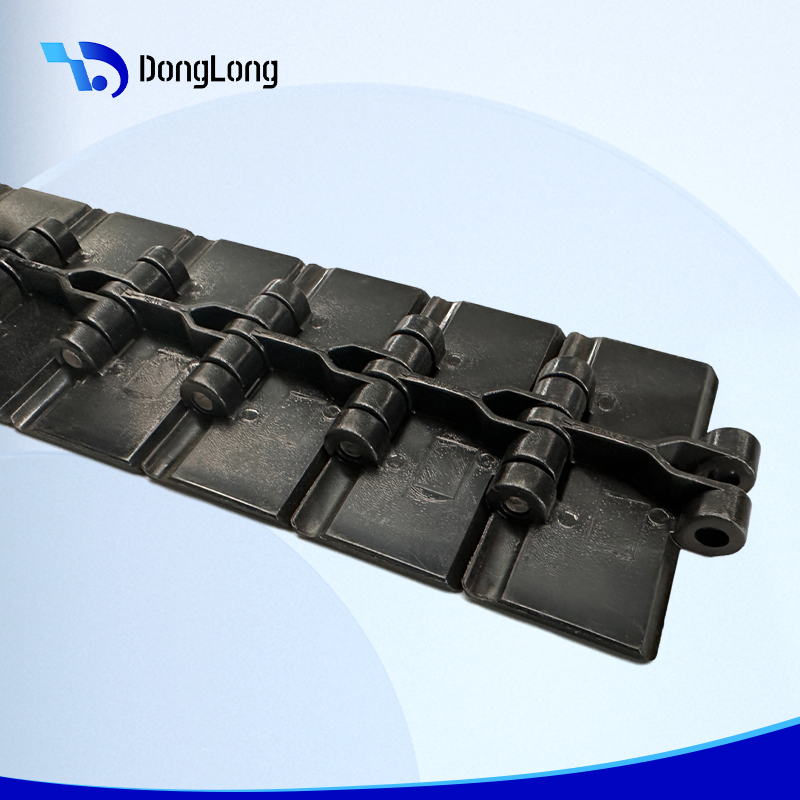
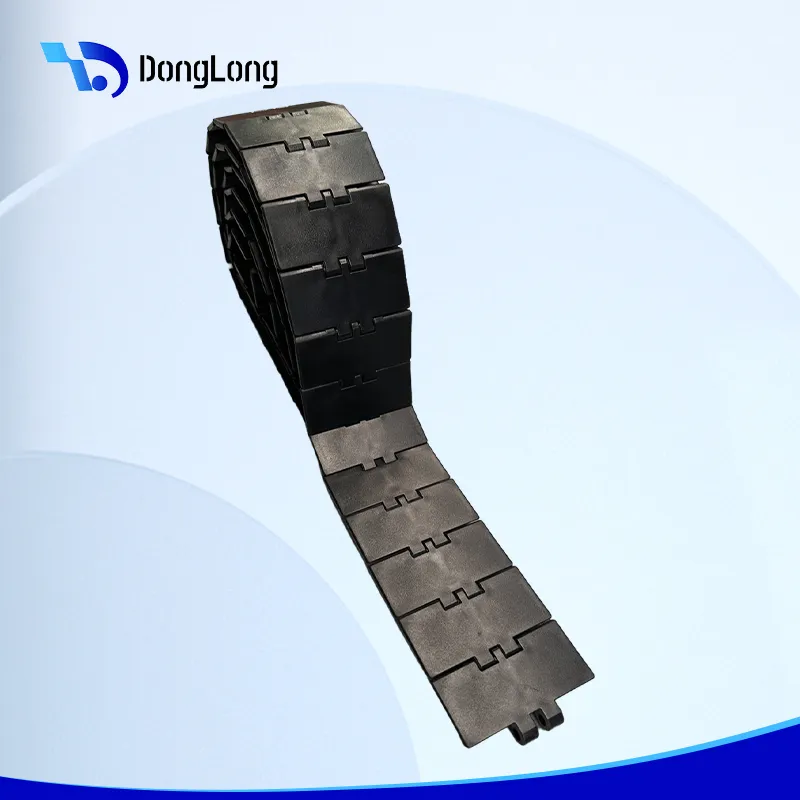
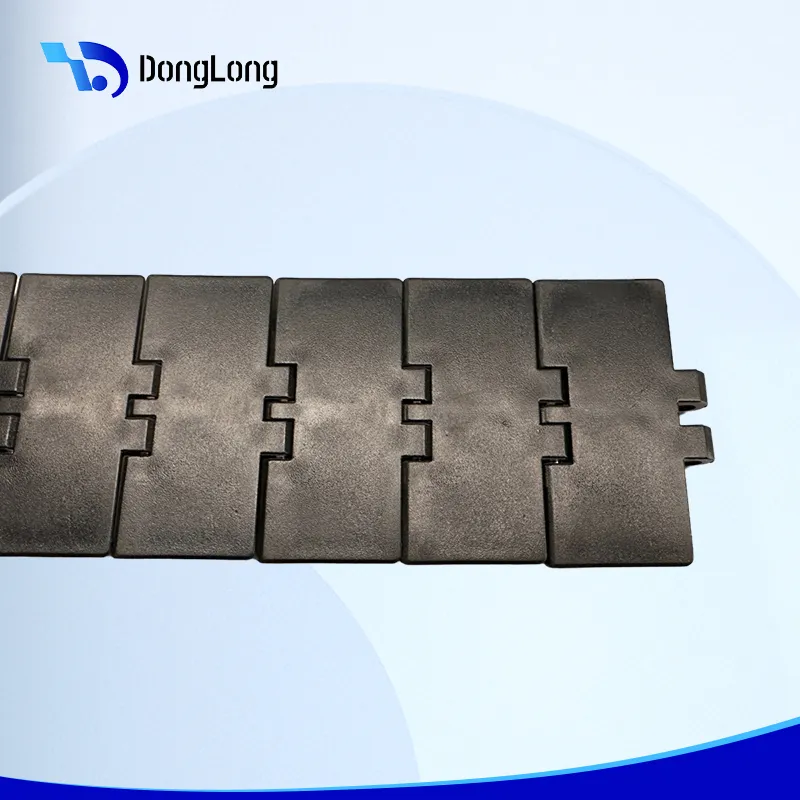
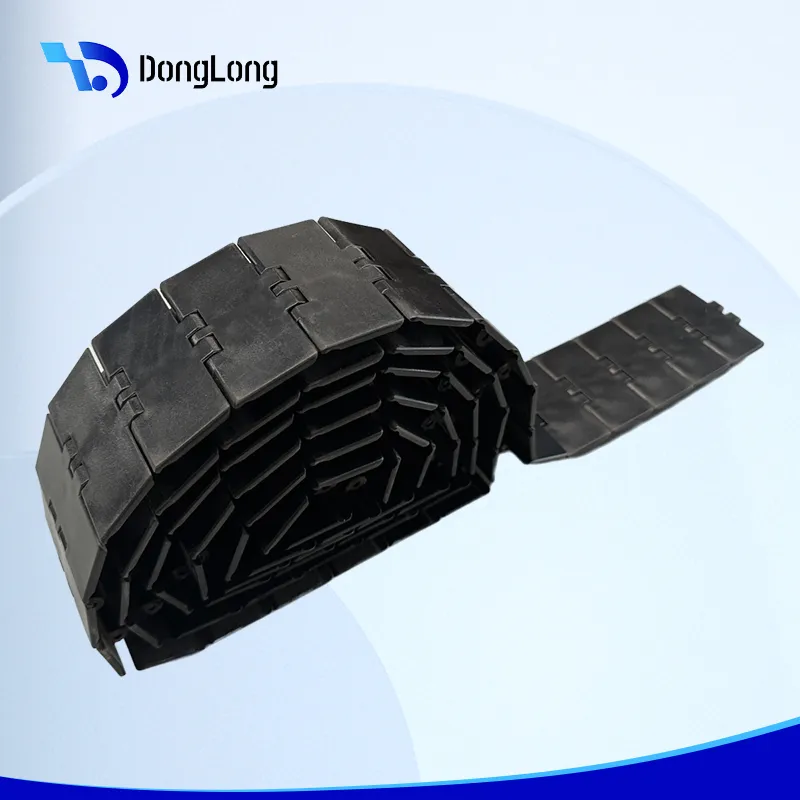
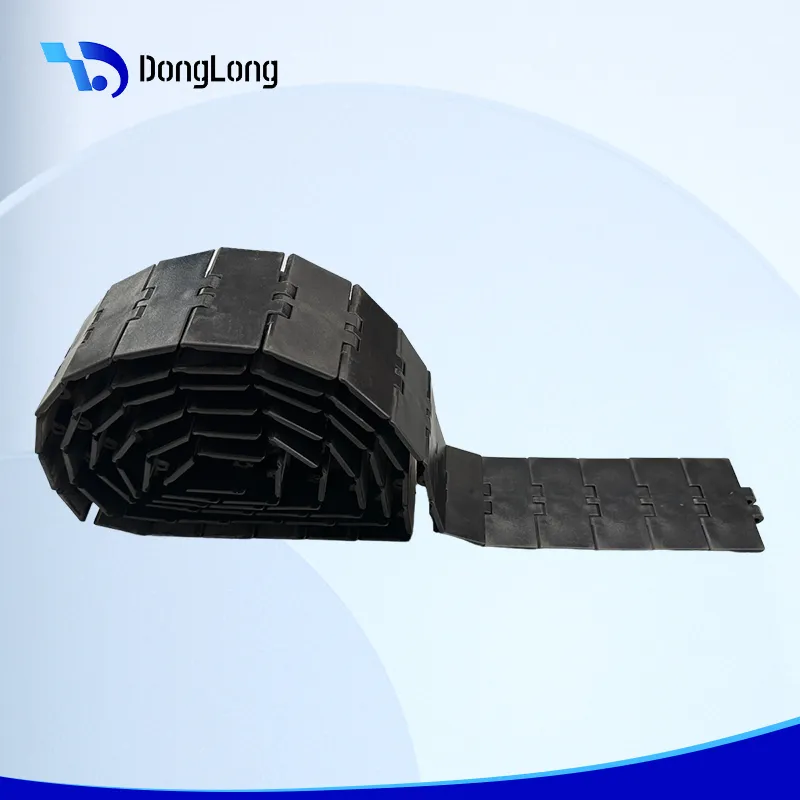
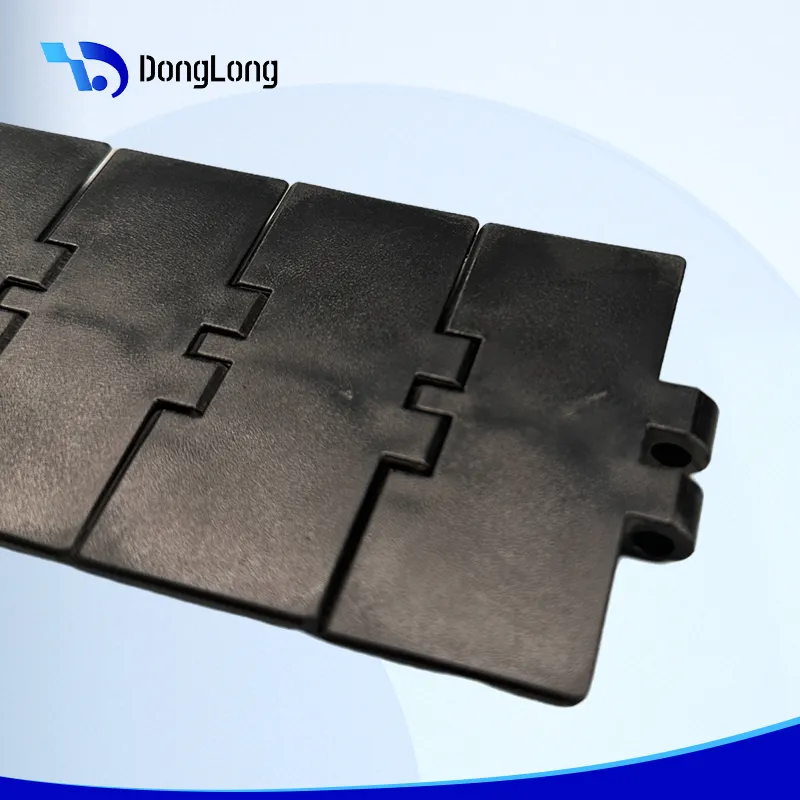
Donglong 820 Anti-Static Single-Hinge Straight Chain Conveyor Flat Chain
Product Description
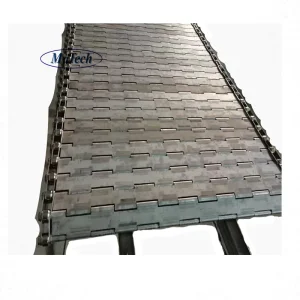
THERMOPLASTIC TABLETOP CHAINS are a type of conveyor chain made of thermoplastic materials, mainly composed of chain plates, pins, and other components. The chain plates are flat-topped, and this unique design allows items to be placed stably during transportation.
Thermoplastic materials have the characteristics of softening when heated and solidifying when cooled. During manufacturing, they can be precisely formed through processes such as injection molding, giving the chain good flexibility and plasticity. It plays a key role in material transportation in industrial production. The coordinated operation of various components drives the chain to circulate and transport various products and raw materials continuously from one place to another, ensuring the continuity and efficiency of the production process.
| Belt type | Plate width | Working load(max.) | Backflex radius(min) | Weight | ||
|---|---|---|---|---|---|---|
| mm | inch | N/m(21ºC) | mm | inch | Kg/m | |
| 820S-K250 | 63.50 | 2.50 | 1230 | 50 | 1.97 | 0.73 |
| 820S-K325 | 82.60 | 3.25 | 0.83 | |||
| 820S-K350 | 88.90 | 3.50 | 0.87 | |||
| 820S-K400 | 101.60 | 4.00 | 0.95 | |||
| 820S-K450 | 114.30 | 4.50 | 1.03 | |||
| 820S-K600 | 152.40 | 6.00 | 1.25 | |||
| 820S-K750 | 190.50 | 7.50 | 1.47 | |||
Thermoplastic tabletop chains are much lighter than traditional metal chains. This reduces the overall weight of the conveying equipment, lowers energy consumption of motors, and achieves energy-saving operation while extending equipment service life.
Thermoplastic materials have natural resistance to various chemical substances and humid environments. They will not rust or corrode in water vapor or contact with acid and alkali reagents, ensuring production continuity.
The flat-topped design and smooth surface minimize bumps and displacements. This is ideal for products requiring high stability, effectively avoiding damage from collisions and scratches.
Excellent plasticity allows the chain to adapt to complex conveying routes, including turning and climbing, optimizing production space layout.
Friction noise is significantly lower than metal chains, creating a more comfortable working environment and avoiding interference with precision equipment.