NoviLink Logistics
1 / 5
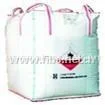
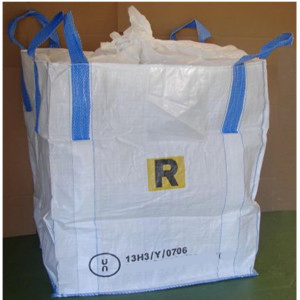
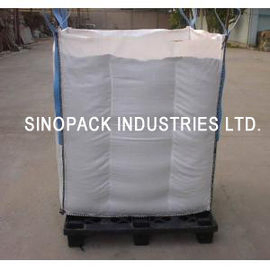
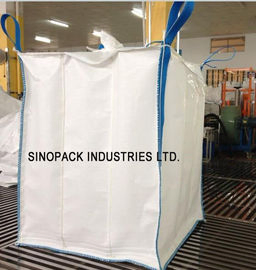
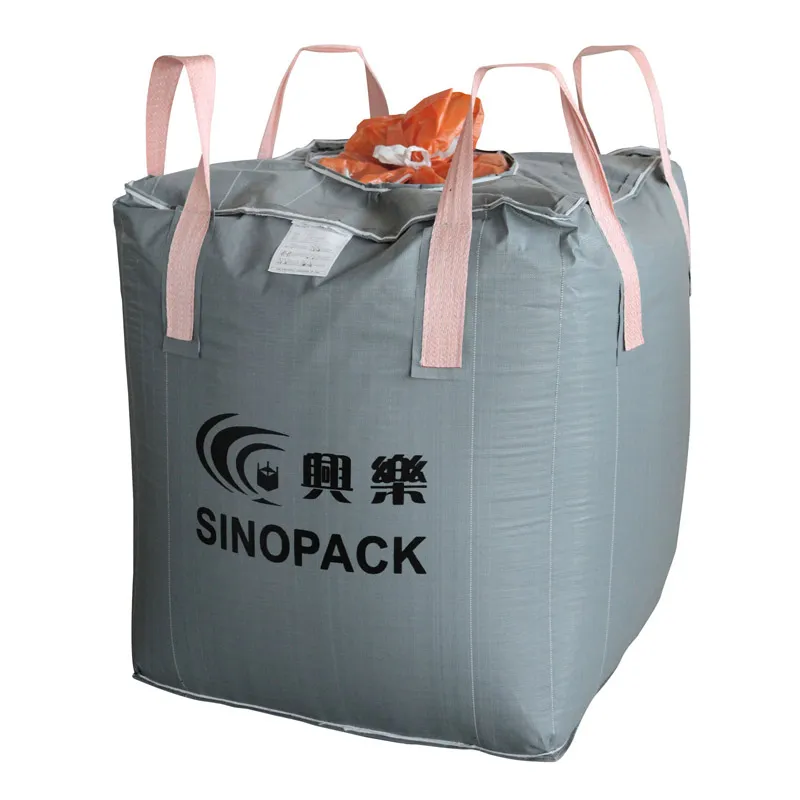
Un FIBC Bulk Bag for Dangerous Goods Packing
Product Description
Basic Specifications
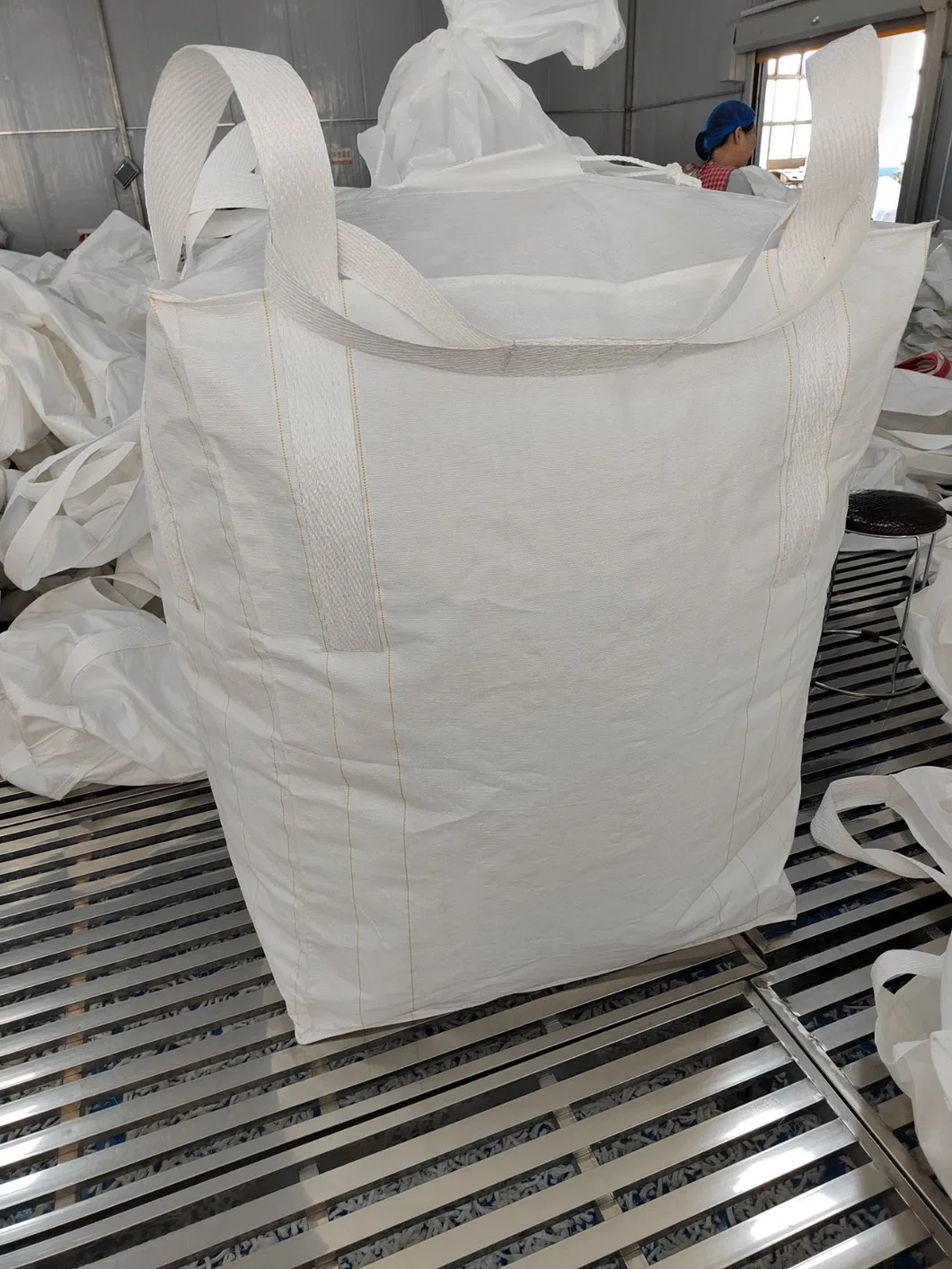
Feature
for Dangerous Goods Packing
Loop Option
Cross Corner Loop
Material
PP (Polypropylene)
Safety Factor
6:1
Technics
Plastic Bags
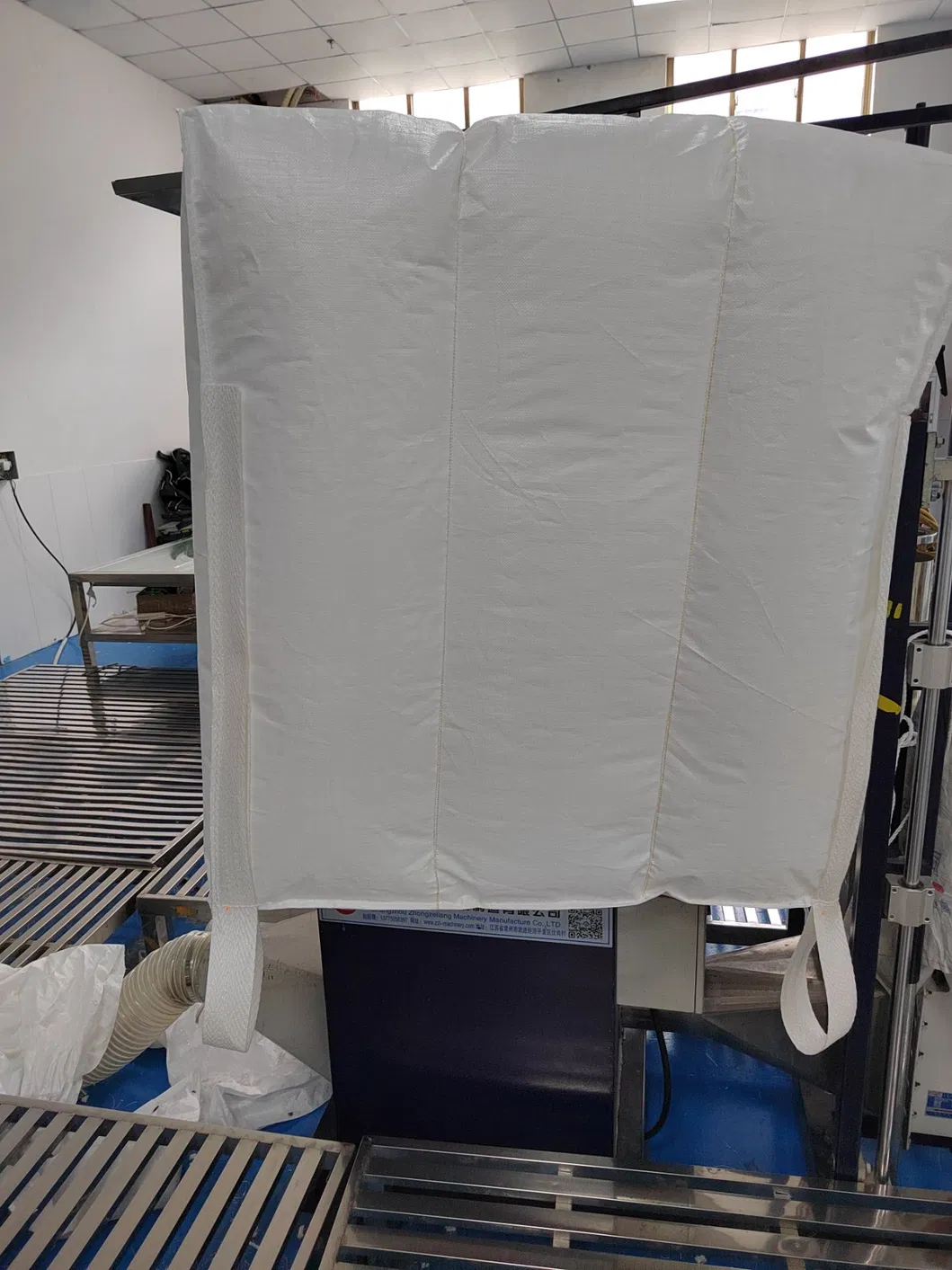
Top Option
Top Fill Skirt
Base Size
35X35''
Type
FIBC Bag
Shape
Square Bottom Bag
Transport Package
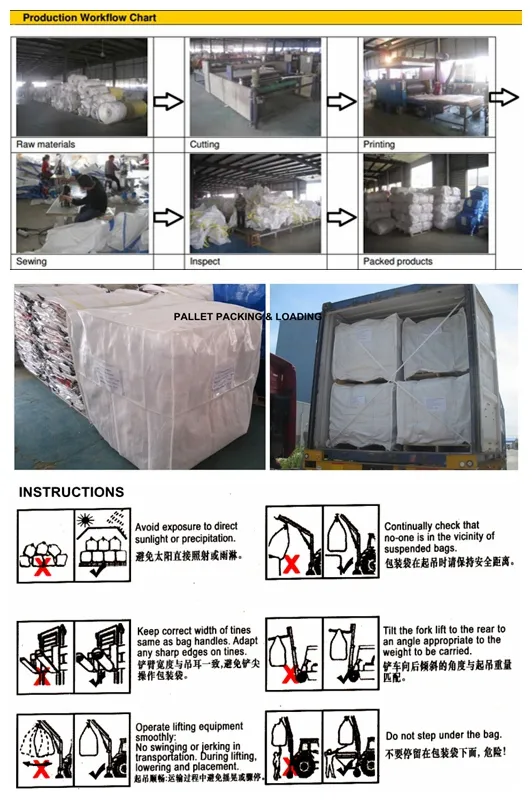
Pallet or Bale Packing
HS Code
6305320019
UN Big Bag for Dangerous Goods
Description:
- UN certified big bags are available in different shapes and sizes which can be customized.
- Dedicated special line of bulk bags for the transportation of dangerous materials.
- Compliant with United Nations Recommendations on the Transportation of Dangerous Materials (ADR, RID, and IMDG-Code).
- Designed for packaging category II and III materials (poisons, corrosives).
- Available Types:
13H1: PP FIBC uncoated without liner
13H2: PP FIBC coated without liner
13H3: PP FIBC uncoated with liner C
13H4: PP FIBC coated with liner
Single-layer UN FIBC with identical parameters as double-layer. - Safe working load (SWL) up to 3300LBS, with a safety factor of 6:1.
- Equipped with flat, outlet, or conical bottoms to simplify the emptying process for non-free-flowing materials.
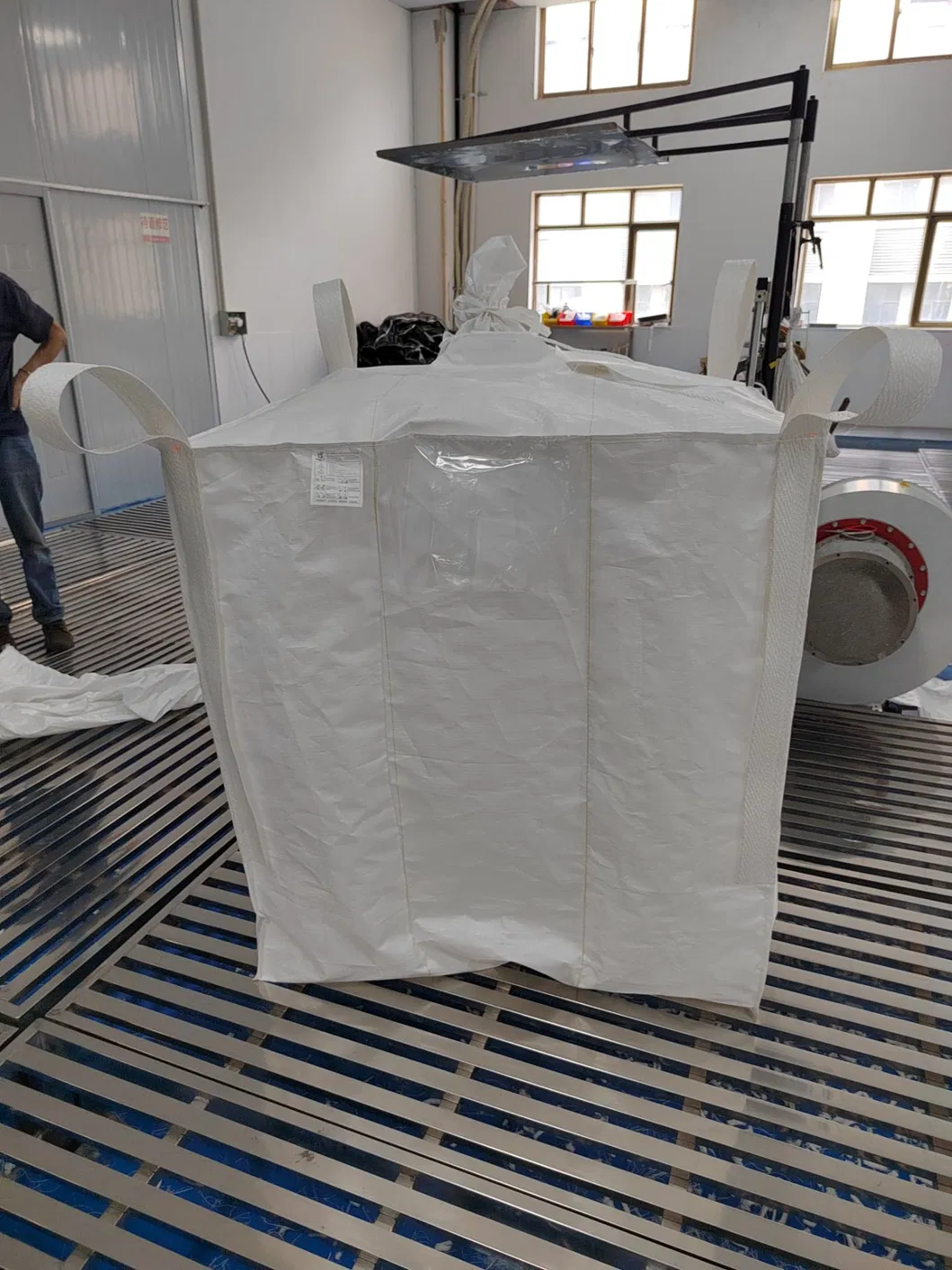
Detailed Specifications
| Item | UN certified Big Bag |
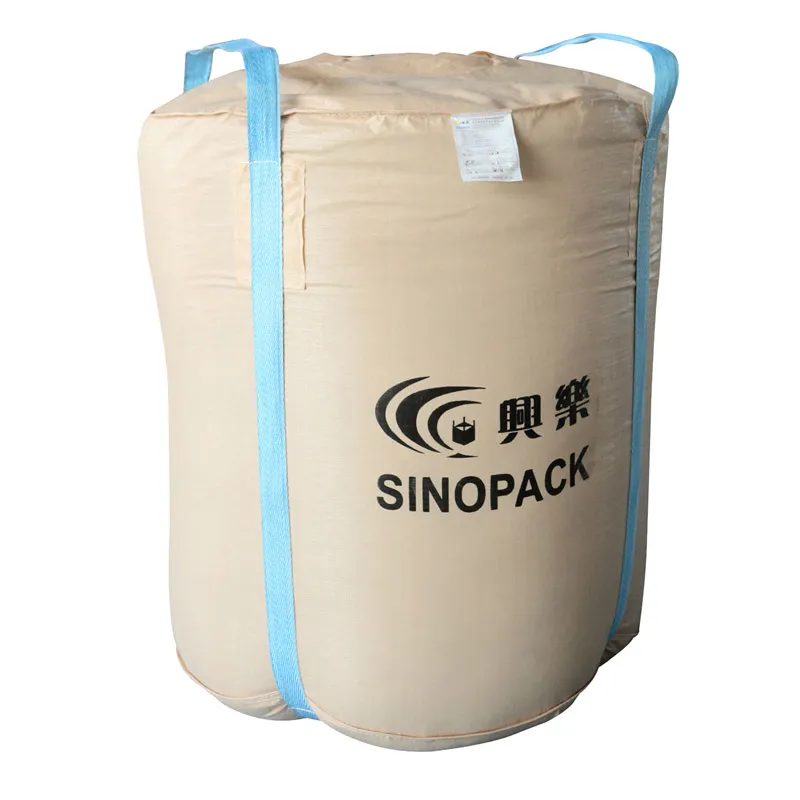
| Shape | U-panel / Four-panel big bag |
| Capacity | Up to 3300LBS |
| Safety factor | 6:1 |
| Base size | 35*35'', 37*37'' |
| Material | 100% virgin polypropylene, 6OZ to 7OZ (Coated/Uncoated/PE liner) |
| Top type | Skirt top, Filling spout: 14''(D)*18'' |
| Bottom type | Flat, Conical, or Discharge spout with star petal/iris spout |
| Lifting loops | Width: 2'' / 3'', Height: 10'', Side-seam loops |
| UV stabilized | 1% to 3% UV treated |
| Stitching | Plain, Chain, or Overlock stitching |
Applications & Safety Types
FIBC Bags offer advantages like lightweight, moisture-proof, dust-proof, and resistance to radiation or acid corrosion. They are ideal for chemical, cement, grains, and minerals.
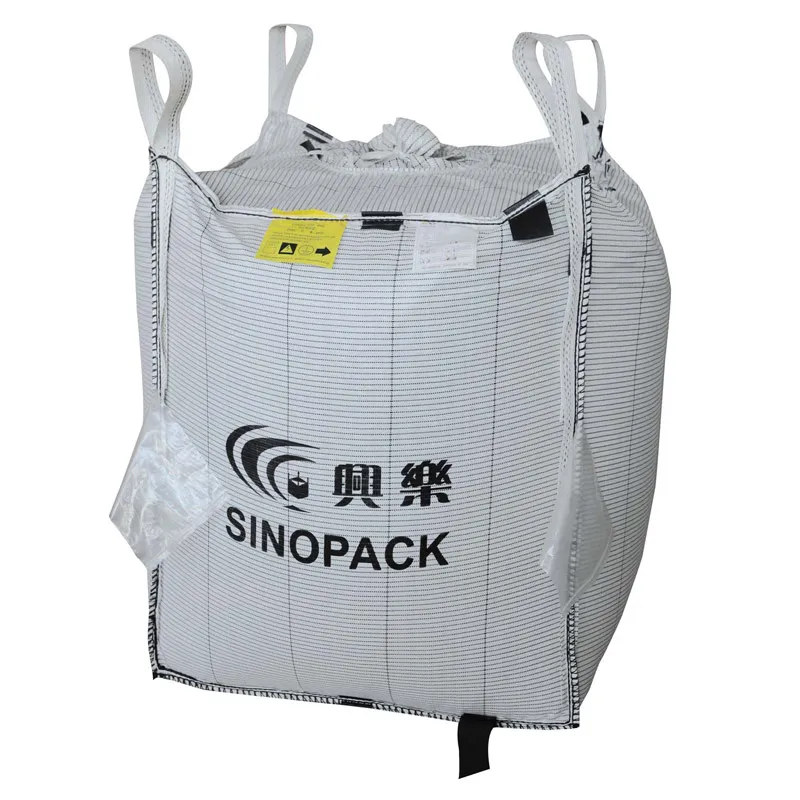
- Type A: Common-used bags, no special electrostatic safety.
- Type B: Breakdown voltage of 4kV or less; prevents propagating brush discharges.
- Type C: Conductive FIBC, designed to control charges by grounding.
- Type D: Anti-static properties without the requirement of grounding.
- UN Bag: Specifically used for dangerous goods packaging with 6:1 Safety Factor.
Frequently Asked Questions
What makes a bag UN certified for dangerous goods?
UN certified bags are tested and manufactured according to UN Recommendations to safely transport hazardous materials, categorized by their level of danger (Category II and III).
What is the significance of the 6:1 safety factor?
A 6:1 Safety Factor (SF) means the bag is designed to hold six times its Safe Working Load (SWL) before failing, ensuring maximum safety for dangerous materials.
Which materials can be transported in these FIBC bags?
These bags are ideal for powders, granules, and chemicals, including corrosive or poisonous materials, cement, grains, and minerals.
What is the difference between Type C and Type D FIBC bags?
Type C bags are conductive and must be grounded to dissipate static, while Type D bags have static dissipative properties that work without requiring a ground connection.
Are the bags UV protected for outdoor storage?
Yes, our bags are treated with 1% to 3% UV stabilizers to ensure durability and strength when exposed to sunlight during transport and storage.
What are the common bottom options for easier discharge?
Options include flat bottoms, conical bottoms for difficult-to-flow materials, and discharge spouts with star petal or iris closures for controlled emptying.