NoviLink Logistics
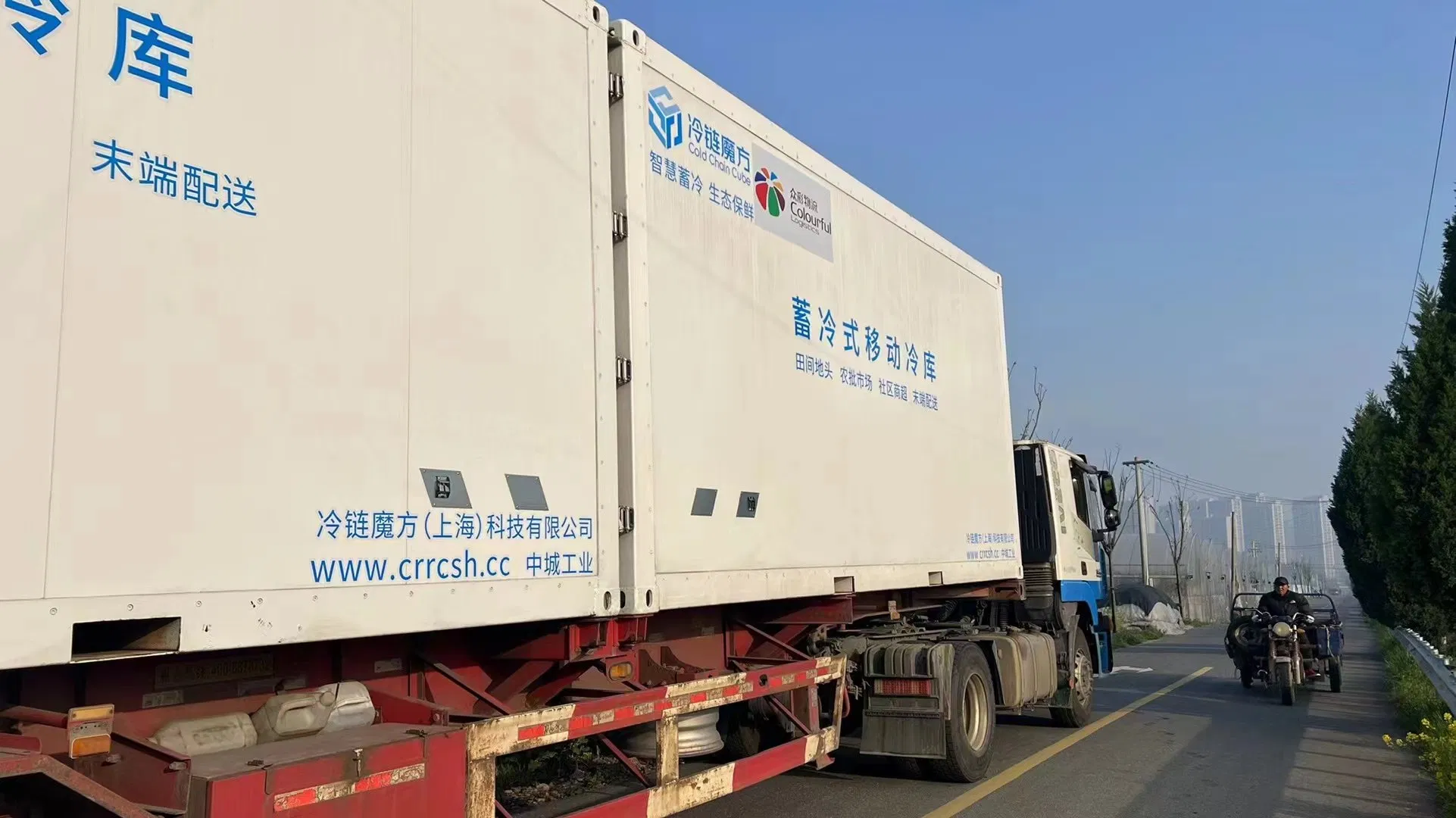
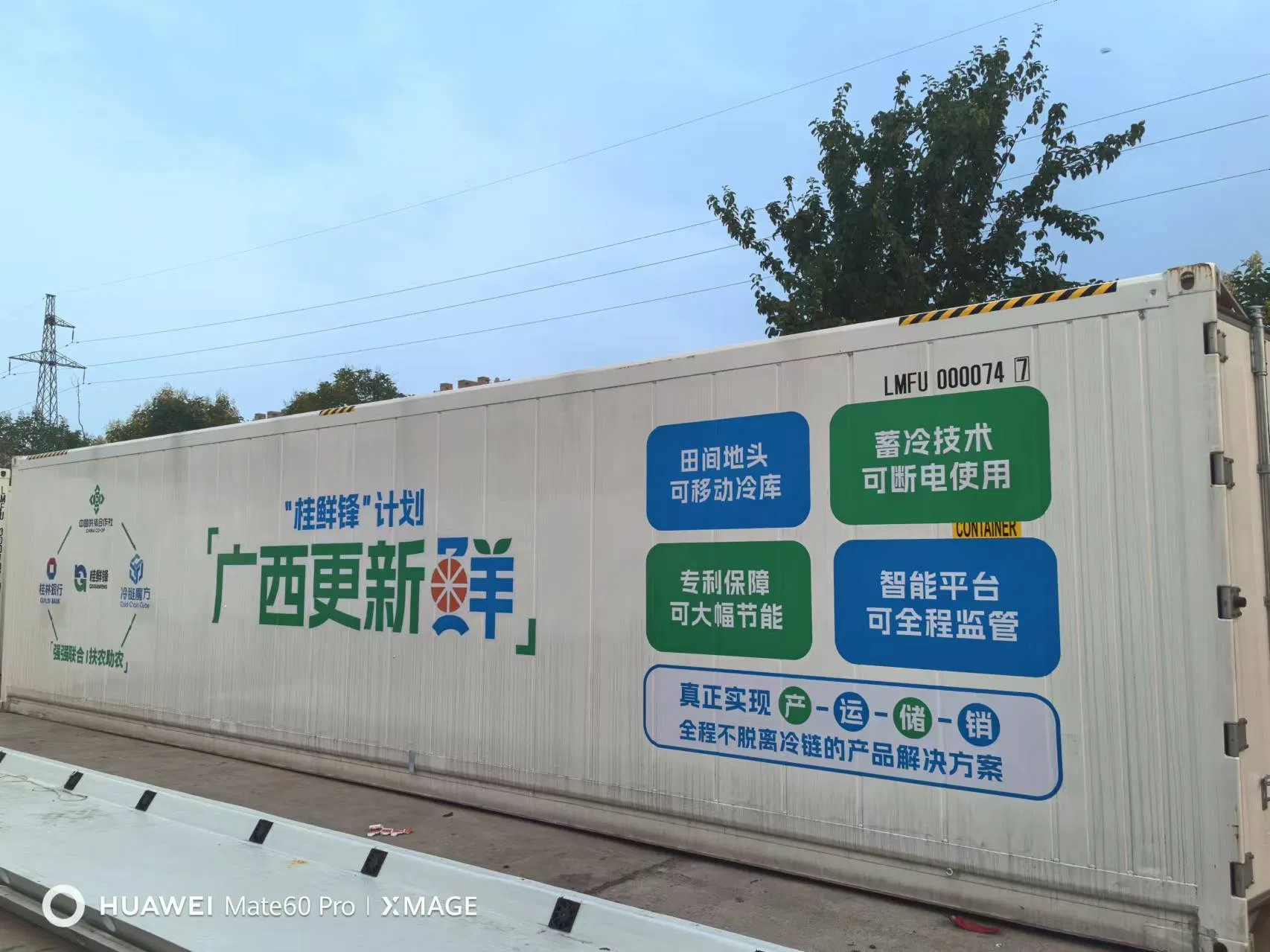
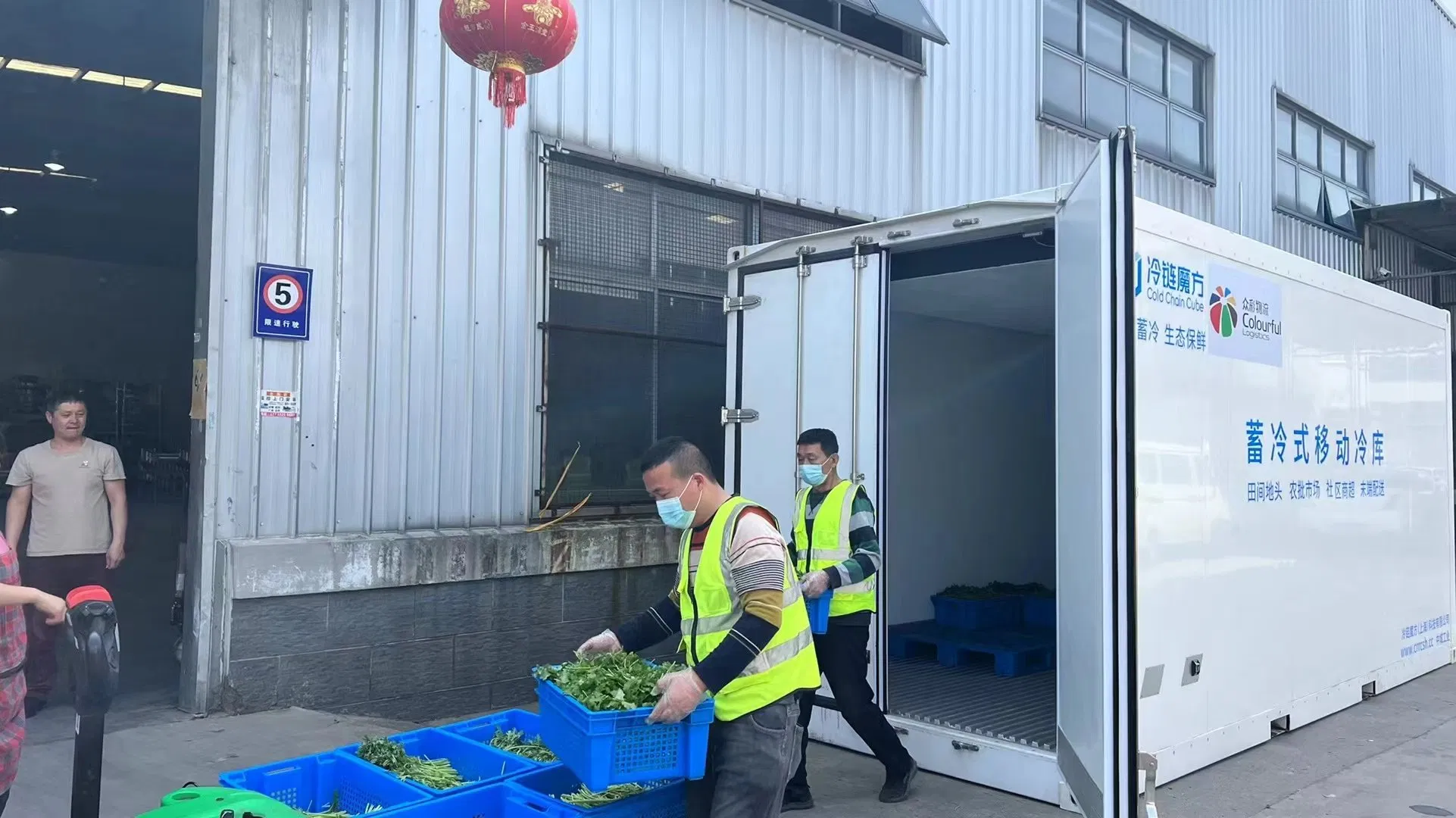
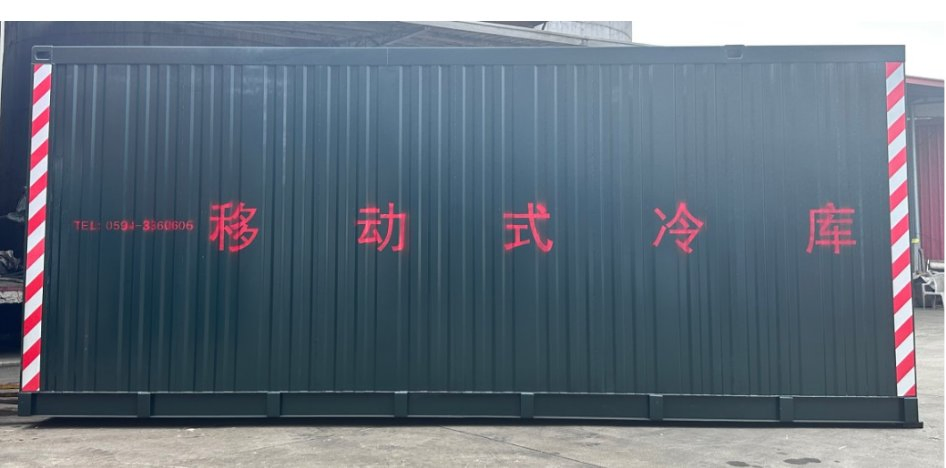
Frozen Dumplings Mobile Cold Storage Container
Product Description
Basic Information
Product Description
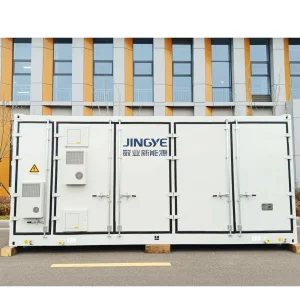
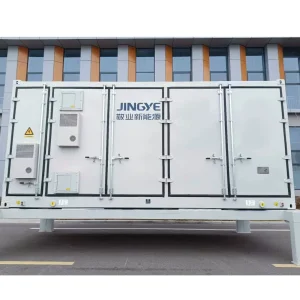
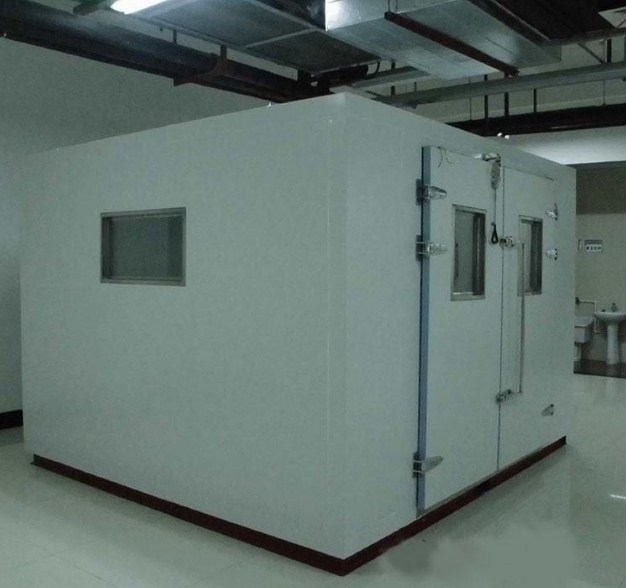
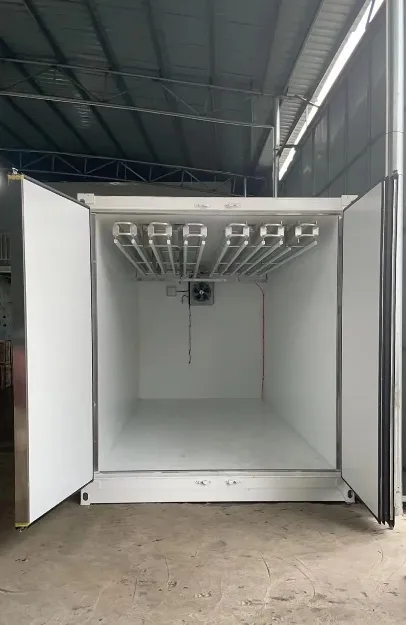
Unlike traditional cold storage, which is fixed at a certain location, mobile cold storage can be relocated to any site as needed, whether in urban or rural areas, to easily meet the needs of cold chain logistics. It can also better adapt to the changing demands of different regions and seasons.
In terms of construction costs, traditional cold storage requires large-scale construction and investment, including land purchase, building construction, and equipment procurement. Mobile cold storage can be obtained through rental or purchase, reducing construction costs. Operating costs are relatively low as it does not require additional maintenance and management fees beyond regular inspection.
Mobile cold storage adopts advanced refrigeration technology and equipment, which can maintain a constant low-temperature environment, ensuring the freshness and quality of fresh and live food. It can adjust the temperature according to different needs, adapting to different types of food, effectively extending shelf life and reducing loss and waste.