NoviLink Logistics
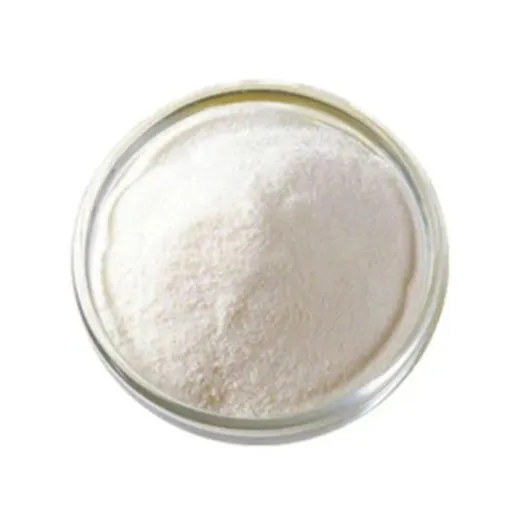
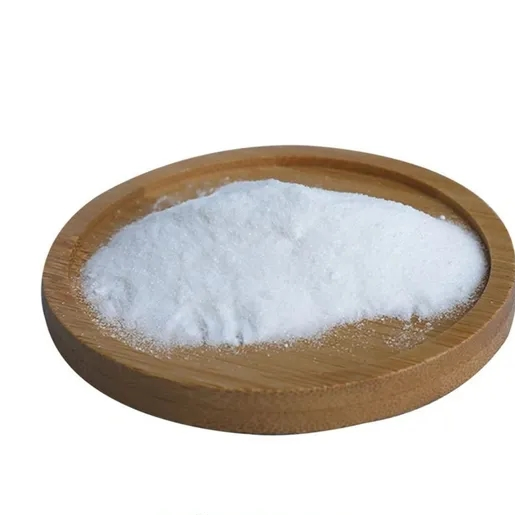
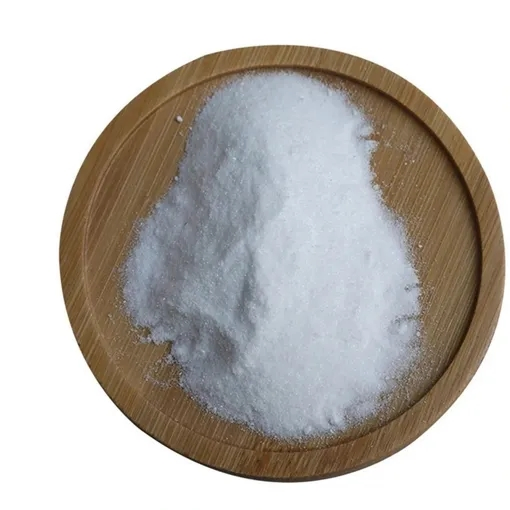
Solid-State Hydrogen Storage Sodium Bro Mate 99.95% with Low Impurities, Un 3478 Certified for Dangerous Goods Transportation
Product Description
Basic Information
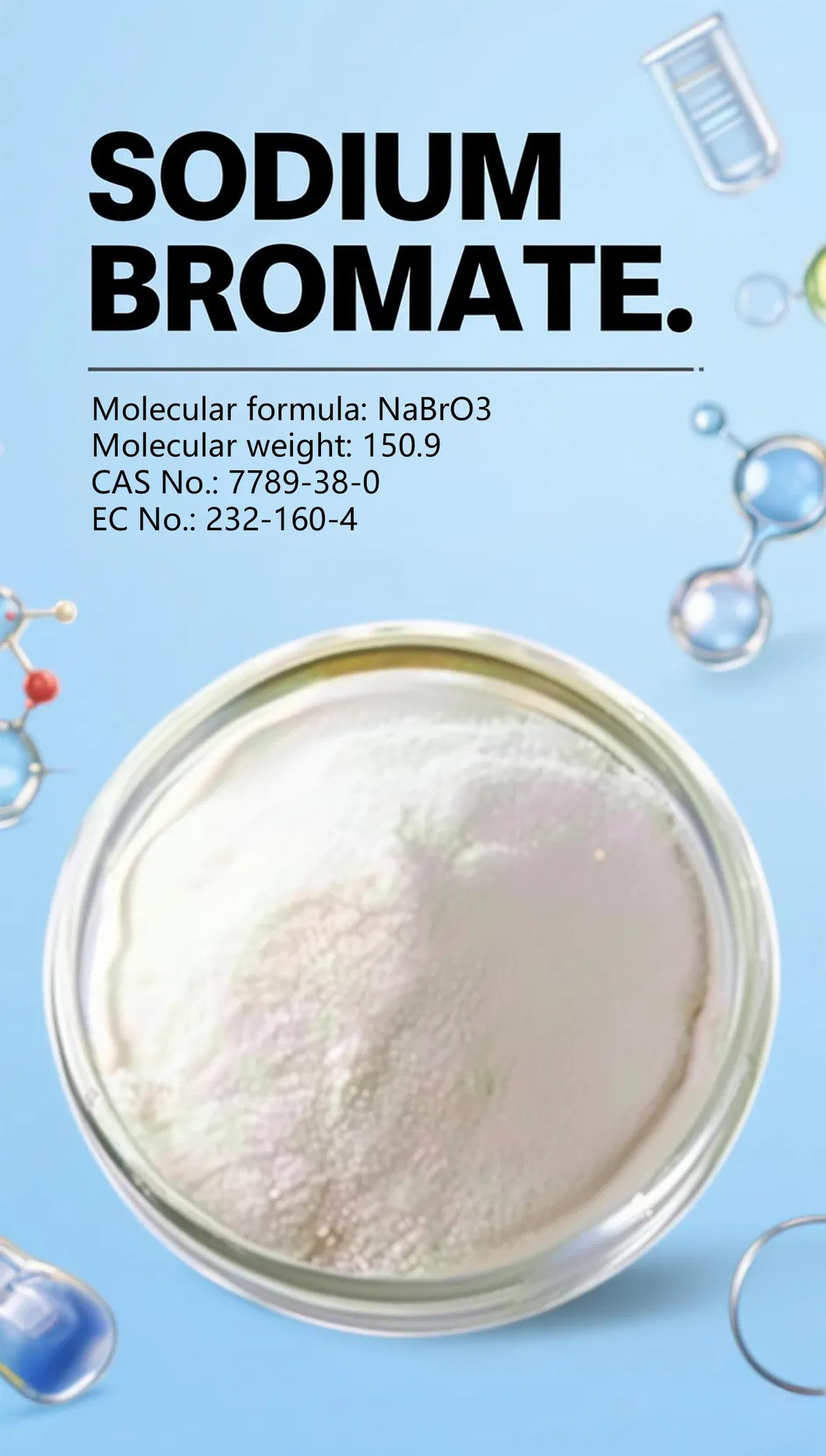
Hazards Identification
Classification
Oxidizing solids Category 2, Acute toxicity (oral) Category 4, Skin corrosion/irritation Category 2, Eye Irritation Category 2A, Germ cell mutagenicity 2, Carcinogenicity Category 2, Reproductive toxicity Category 2.
GHS Label Elements
May intensify fire; oxidiser. Causes skin irritation. Causes serious eye irritation. Suspected of causing genetic defects. Suspected of causing cancer. Causes damage to organs (nervous system, kidney, haemal system). May cause drowsiness or dizziness. Harmful to aquatic life with long lasting effects.
Composition / Ingredients
| Chemical Name | CAS No. | Concentration % |
|---|---|---|
| Sodium Bromate | 7789-38-0 | 99.5% |
First Aid Measures
Safety & Handling
Firefighting Measures
Small Fire: Use flooding quantities of water. DO NOT use dry chemical, CO2, or foam.
Special Hazards: Will not burn but increases intensity of fire. Contact with combustibles may produce spontaneous combustion.
Accidental Release
Use personal protective equipment. Avoid breathing vapors. Contain spillage with sand or earth. NEVER USE organic absorbents like sawdust or paper.
Storage
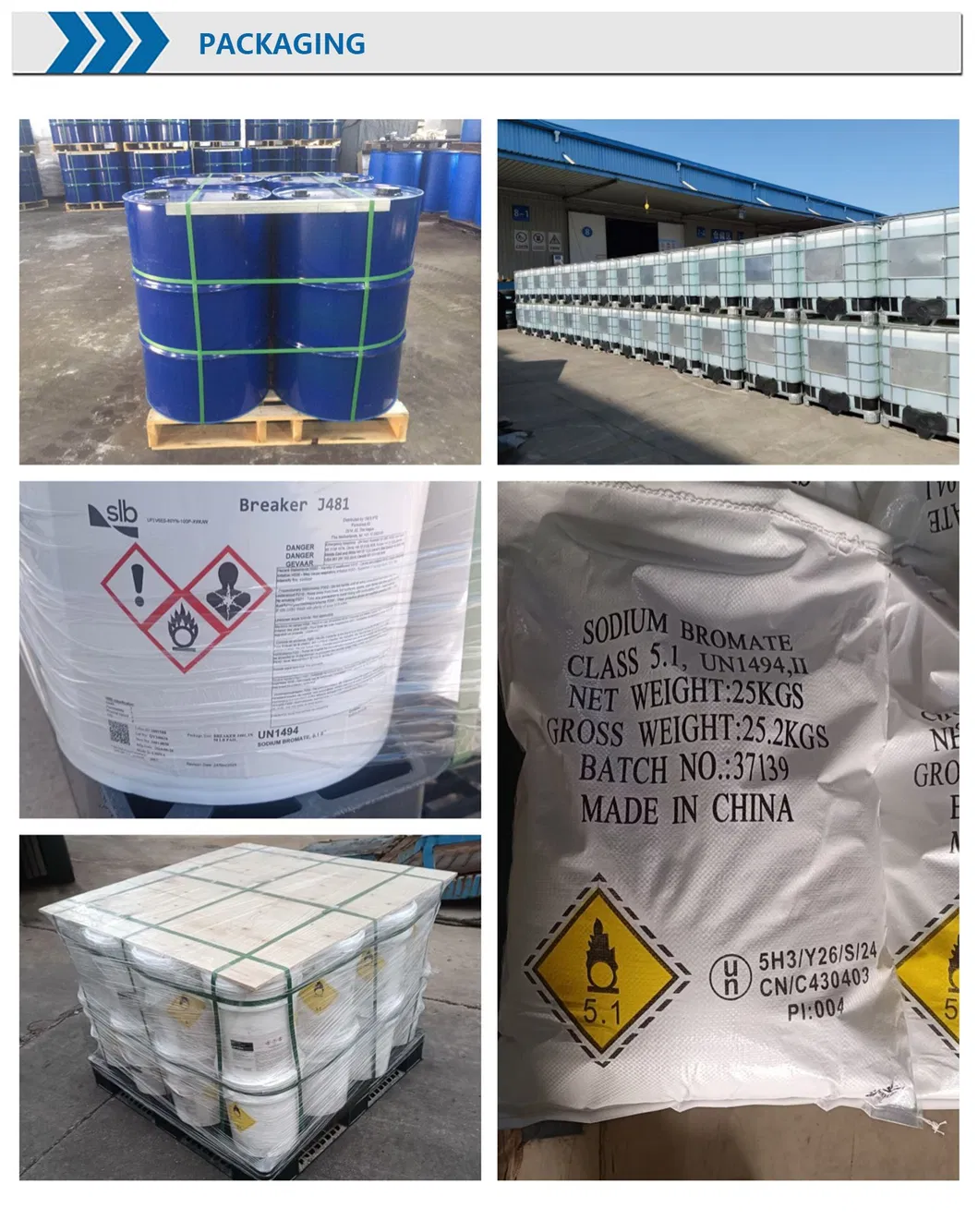
Store in a cool, well-ventilated place. Keep container tightly closed. Avoid storage with ammonium compounds, organic materials, or powdered metals.
Technical Specifications

| Test Parameters | Specification |
|---|---|
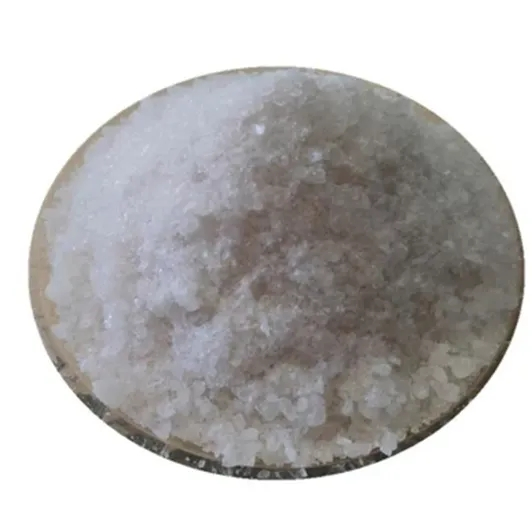
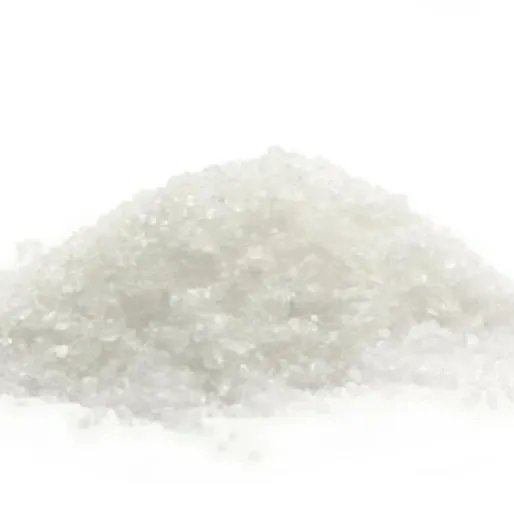
| Appearance | White crystalline |
| Assay (as NaBrO3) | 99.5% min. |
| pH (5% solution) | 6.0-7.5 |
| Absorbance (20% solution) | 0.12% max |
| Moisture | 0.1% max. |
| Chloride & Chlorate | 0.1% max. |
| Bromide | 0.06% max. |
| Sulphate | 0.03% max. |
| Arsenic | 5 ppm max. |
| Heavy Metals (as Pb) | 5 ppm max. |
| Iron | 5 ppm max. |
Product Applications
Sodium Bromate is a powerful oxidizing agent, primarily utilized in:
- Preparing permanent-wave neutralizers.
- Printing and dyeing auxiliaries.
- Chemical reagents and pharmaceutical intermediates.
- Gold solvent in gold mines (when used with Sodium Bromide).
- Continuous or batch dyeing processes involving sulfur or vat dyes.